Bioequivalence for inhalers, patches, and injectables requires more than blood tests-it demands matching how the drug is delivered to the body. Learn why these generics are harder to make, why they cost more, and what really makes them work.
Category: Pharmacy - Page 2
Learn how to properly document safety alerts on medication lists using ISMP guidelines to prevent life-threatening errors. Essential for pharmacists, nurses, and healthcare teams managing high-risk drugs.
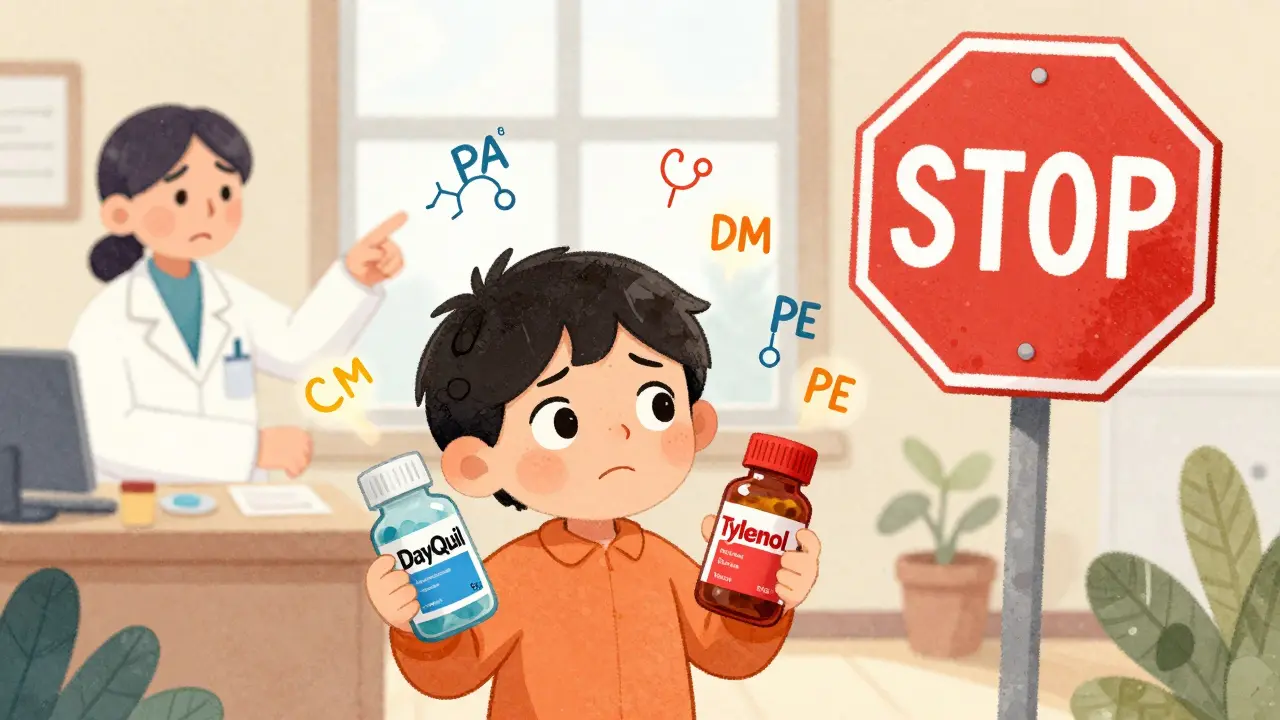
Combination cold and allergy meds can be dangerous when mixed with other drugs. Learn how acetaminophen, phenylephrine, and dextromethorphan interact with prescription meds and what to do to avoid overdose or serious side effects.
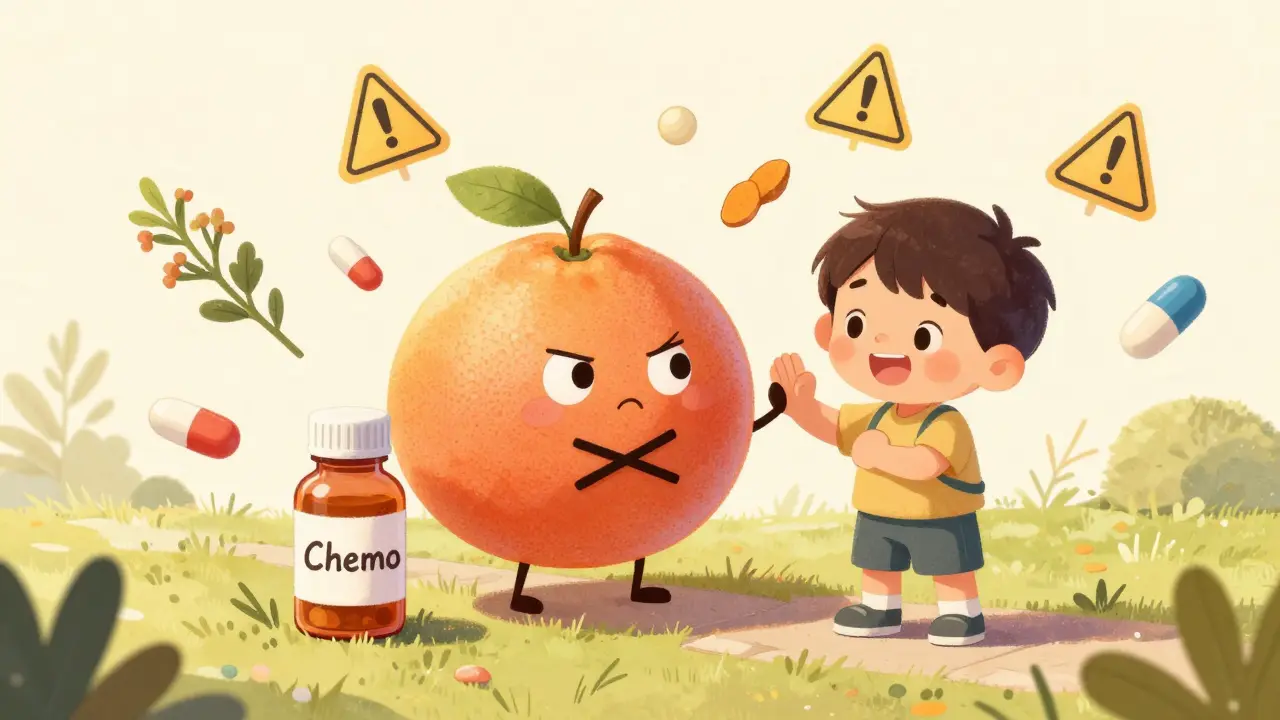
Chemotherapy drug interactions can reduce treatment effectiveness or cause life-threatening side effects. Learn which medications, supplements, and foods interfere with cancer drugs-and how to stay safe during treatment.
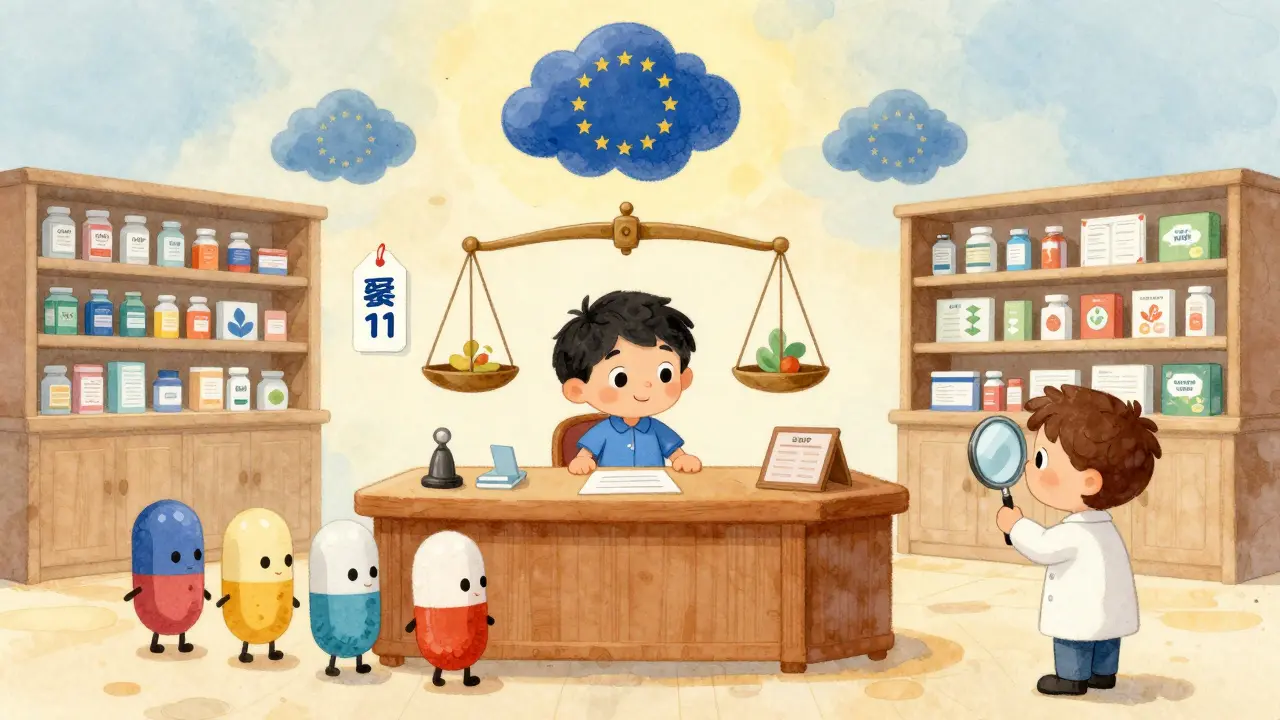
Europe's tendering systems ensure fair, transparent, and cost-effective purchasing of generic medicines through strict procurement rules. Learn how MEAT evaluation, electronic platforms, and sustainability criteria shape drug access across the EU.
Learn how to protect your personal and medical data when using online pharmacies in 2025. Discover the signs of safe sites, legal requirements, and practical steps to avoid data breaches and counterfeit drugs.
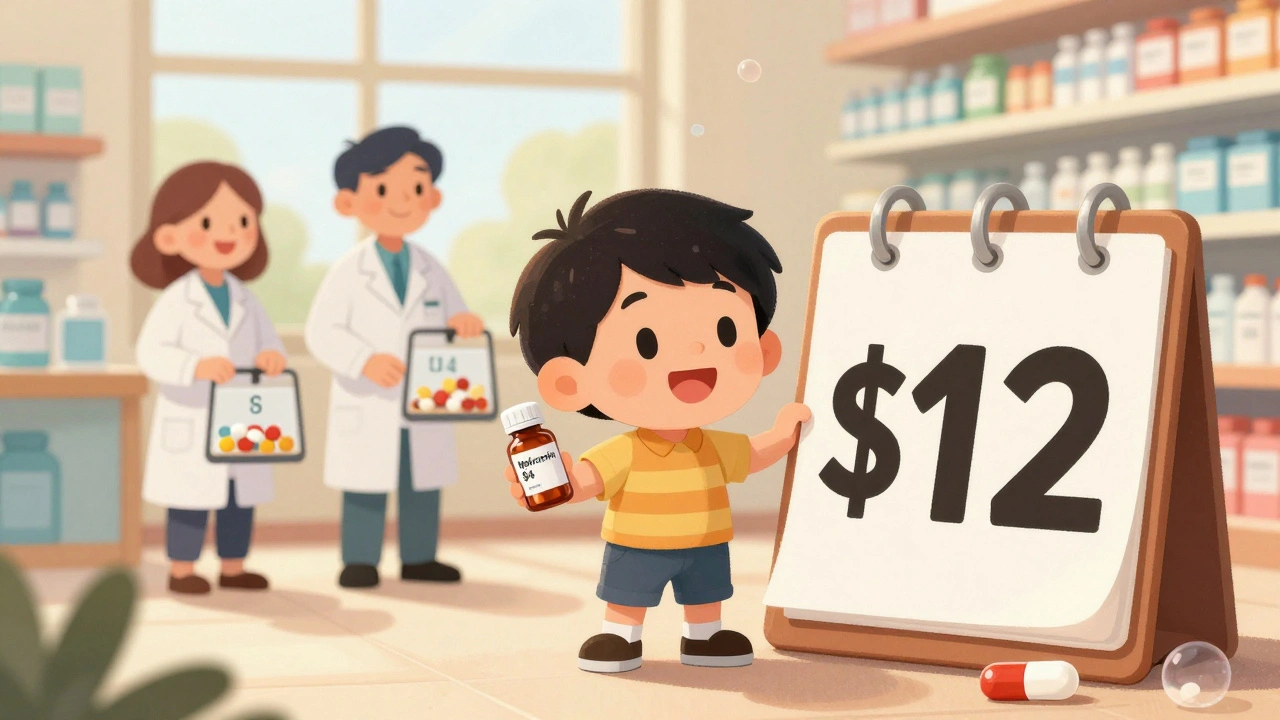
U.S. generic drug prices are 33% lower than in other developed nations, but brand-name drugs cost nearly four times more. Learn why the U.S. pays less for generics but more overall-and how global pricing systems compare.
Dairy products like milk and yogurt can block the absorption of antibiotics like doxycycline and ciprofloxacin, leading to treatment failure. Learn the exact timing rules to avoid this common and dangerous interaction.
Learn how to talk to your doctor about generic vs. brand-name medications. Discover when generics are just as effective, how to save money, and what to do if you're unsure about a switch.
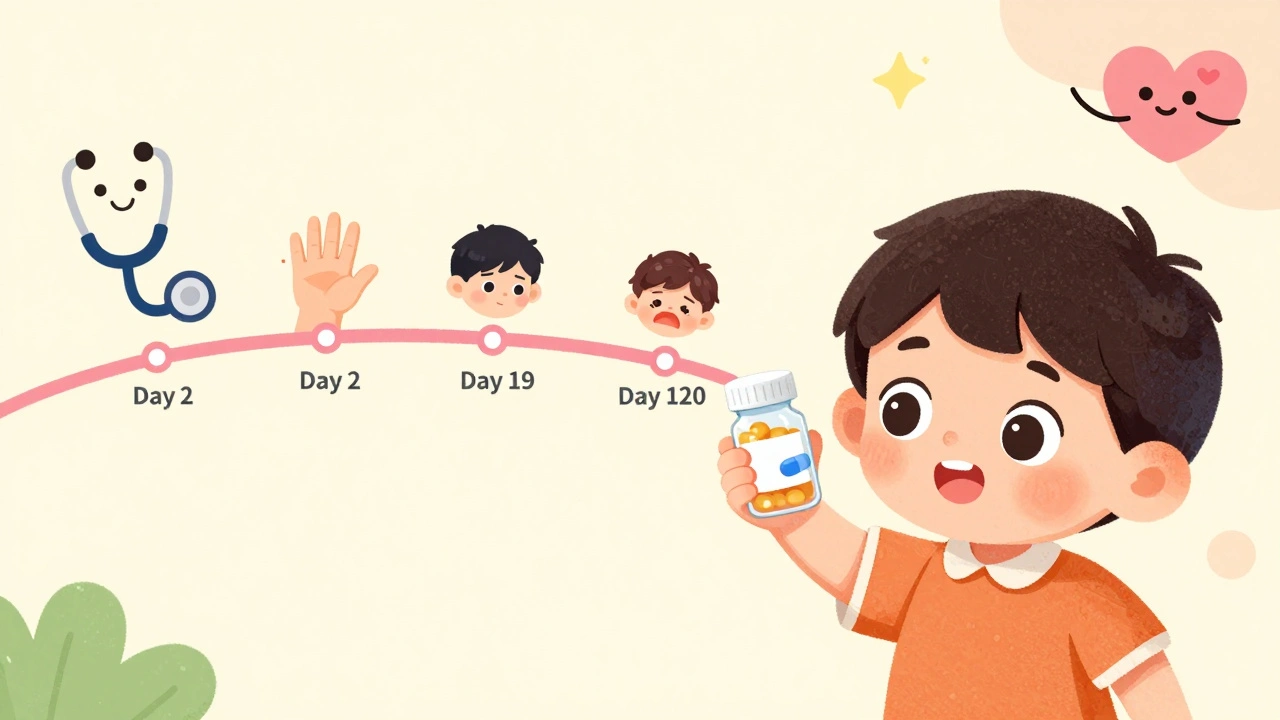
Learn when common side effects from different drug classes typically appear-antibiotics within days, statins after weeks, ACE inhibitors even months later. Timing helps you spot real reactions vs. coincidences.