
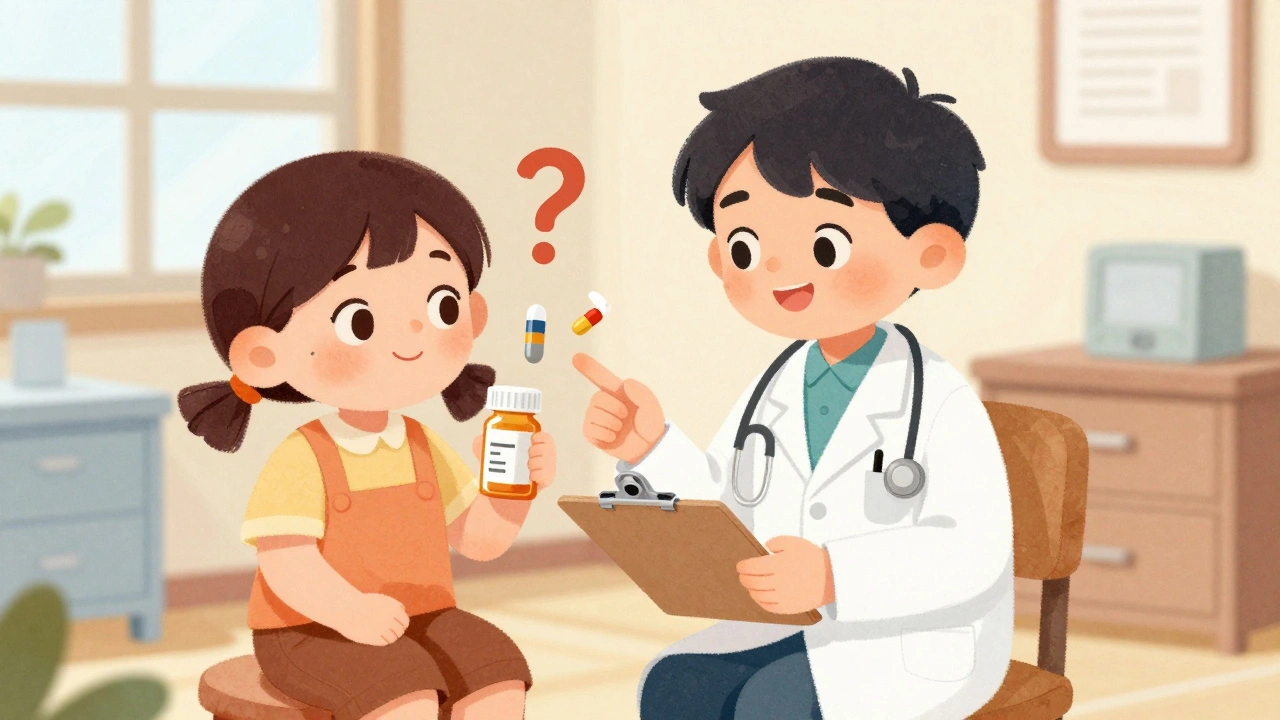
When you pick up your prescription, you might be handed a pill that looks completely different from what you’ve taken before. The bottle says it’s the same medicine, but it’s cheaper-and maybe you’re wondering if it’s really the same. You’re not alone. Most people feel unsure when their pharmacy swaps a brand-name drug for a generic version. The truth? In nearly every case, it’s just as effective. But that doesn’t mean you should just accept the switch without asking questions.
What’s the real difference between generic and brand-name drugs?
The active ingredient in a generic drug is identical to the brand-name version. That means the chemical that actually treats your condition-whether it’s high blood pressure, depression, or an infection-is exactly the same. The U.S. Food and Drug Administration (FDA) requires generics to match brand-name drugs in strength, purity, dosage form, and how quickly they work in your body. This isn’t a guess. It’s backed by strict testing called bioequivalence studies. Generic drugs must deliver the same amount of medicine into your bloodstream within a 20% range of the brand-name version. In practice, the average difference is just 3.5%.
So why do they look different? U.S. trademark laws prevent generics from copying the exact shape, color, or logo of brand-name pills. That’s why your blue round pill became a white oval. It’s also why the taste or filler ingredients might change slightly. These differences don’t affect how the drug works. They’re just cosmetic.
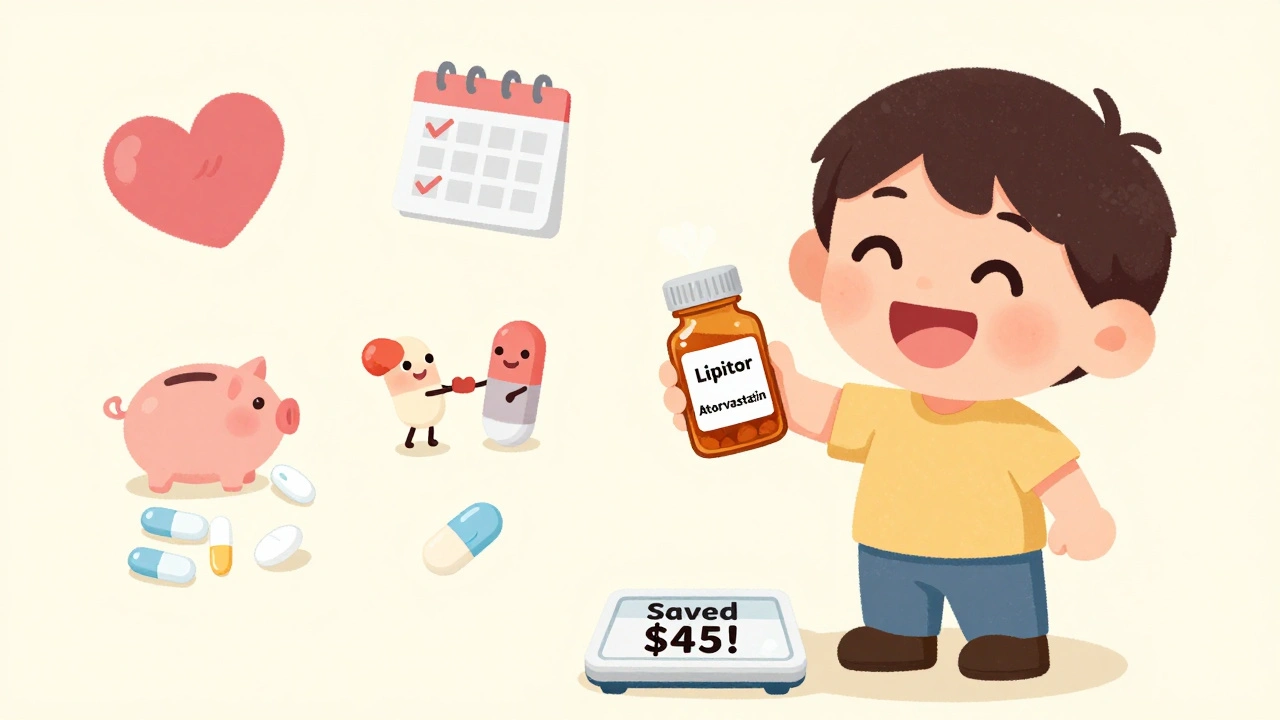
The biggest difference? Price. Generic drugs cost 80 to 85% less than their brand-name equivalents. In 2023, the average out-of-pocket savings per prescription was about $45. Over the last decade, generics saved the U.S. healthcare system more than $1.67 trillion. If you’re paying cash or have a high deductible, that’s real money in your pocket.
Why do doctors sometimes prescribe brand-name drugs?
Most of the time, doctors don’t choose brand-name drugs because they’re better. They choose them because they’re familiar, or because the patient had a bad experience with a generic in the past. But here’s the thing: if you’ve taken a generic before and it worked fine, there’s no reason to switch back.
There are rare exceptions. For drugs with a narrow therapeutic index-like warfarin (a blood thinner), levothyroxine (for thyroid issues), or certain anti-seizure medications-small changes in blood levels can matter. Even then, the FDA says approved generics are safe and effective. Some doctors still prefer brand-name versions out of habit, but studies show most patients do just as well on generics. One 2016 study in the New England Journal of Medicine looked at patients switching between generic warfarin manufacturers and found minor fluctuations, but no increase in serious side effects. Other large studies, including those from Kaiser Permanente and Consumer Reports, found that 89% of patients noticed no difference in effectiveness after switching.
One area where generics don’t apply is biologics-complex drugs made from living cells, like insulin or rheumatoid arthritis treatments. These don’t have generics. They have biosimilars, which are very similar but not exact copies. If you’re on one of these, your doctor will know.
What should you say to your doctor?
Don’t wait until you get the prescription to ask. Bring it up during your appointment. You don’t need to sound like a pharmacist. Just be clear and direct.
- “Is there a generic version of this medication?”
- “Will the generic work just as well for my condition?”
- “Are there any reasons I should take the brand-name version instead?”
- “I’ve had trouble paying for prescriptions in the past-can we go with the generic?”
If your doctor says no, ask why. Is it because of your medical history? A past reaction? Or just because that’s what they always prescribe? If it’s the last one, you’re entitled to push back. Many doctors don’t realize how much cost impacts whether patients take their meds at all. Harvard Medical School’s Dr. Niteesh Choudhry says high prices cause people to skip doses or stop taking pills entirely. A cheaper generic might mean you actually stick with your treatment.
What if your pharmacy switches your medication without asking?
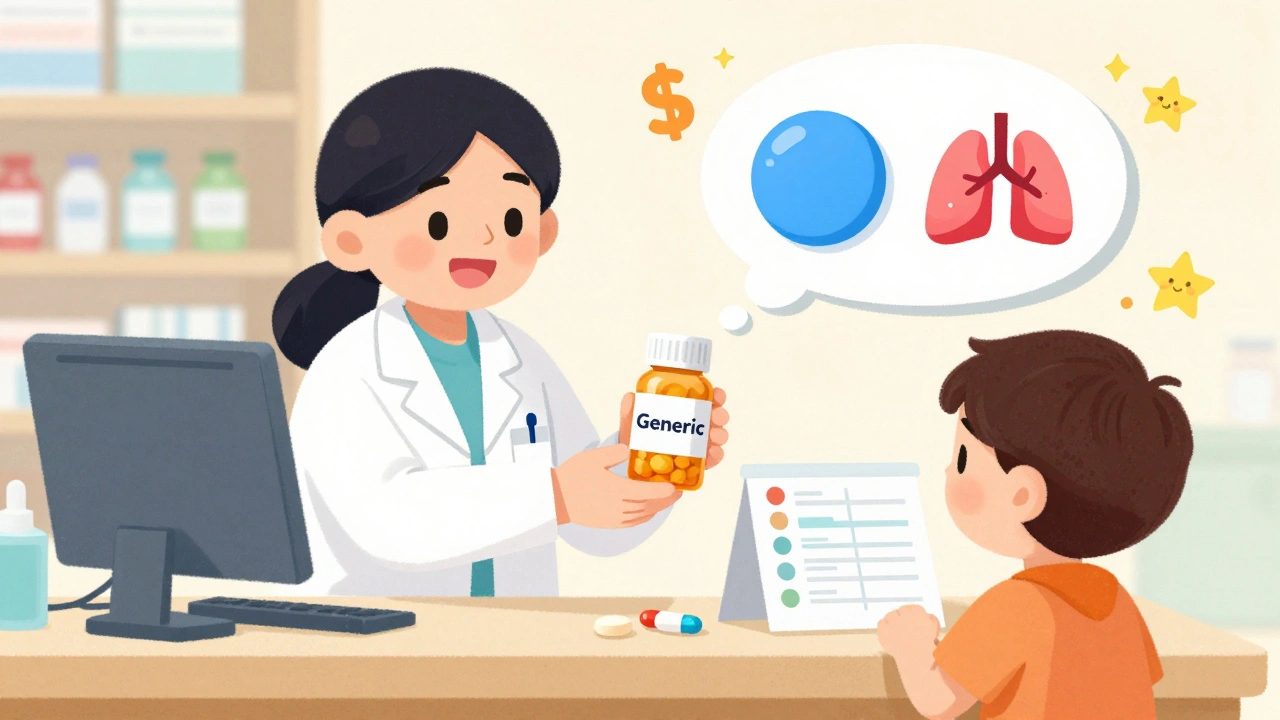
In most states, pharmacists are required by law to substitute a generic drug unless the doctor writes “dispense as written” or “no substitution” on the prescription. That means you could get a different pill without ever being told. That’s why it’s important to check your bottle every time you fill a prescription.
If you notice a change in size, color, or shape, don’t assume it’s a mistake. Call your pharmacy. Ask: “Is this the generic version?” If they say yes, ask if it’s the same as your last fill. If the pill looks different from your last generic, that’s normal-manufacturers change suppliers. But if you’ve had side effects with a previous generic, tell your pharmacist. They can flag it in your record and notify your doctor.
Pharmacists are your allies here. A 2022 study by the American Pharmacists Association found that 78% of patient concerns about generics were resolved after a simple conversation with the pharmacist. They can explain why the pill looks different, confirm it’s the right medicine, and even help you find the lowest price.
When should you stick with brand-name?
You might need to stick with the brand-name version if:
- You’ve had a clear, documented reaction to a specific generic version-like a rash, nausea, or lack of effectiveness-and switching back to the brand fixed it.
- Your doctor has a specific reason, like a rare allergy to an inactive ingredient in the generic (like dyes or fillers).
- You’re on a biologic medication, and only a biosimilar is available.
But if you’ve never had an issue, and you’re paying out of pocket, there’s almost no medical reason to avoid the generic. The FDA says: “Generic medicines use the same active ingredients as brand-name medicines and work the same way, so they have the same risks and benefits.”
What about the stories online?
You’ve probably seen Reddit threads or Facebook posts where someone says, “I switched to generic and my seizures got worse” or “I couldn’t sleep after the generic.” These stories feel real-and they are. But they’re often not about the drug itself.
Psychology plays a big role. If you believe a cheaper pill is less effective, your brain might convince you it is. That’s called the nocebo effect. It’s the opposite of the placebo effect. Studies show that when patients are told they’re switching to a generic, they report more side effects-even when the drug is identical.
Also, some people confuse generic switches with manufacturer changes. If you take a generic made by Company A, then your pharmacy switches to Company B, the pill might look different. That’s normal. But if you feel worse, it’s worth checking with your pharmacist. The inactive ingredients might be different, and very rarely, someone has a reaction to a specific filler.
The bottom line? If you feel something’s off, speak up. But don’t assume the generic is the problem just because it’s cheaper.
How to save money without sacrificing care
Here’s how to make sure you’re getting the best value:
- Always ask if a generic is available when your doctor writes a prescription.
- Use tools like GoodRx or SingleCare to compare prices between pharmacies. Sometimes the cash price for a brand-name drug is cheaper than your insurance copay for the generic.
- Ask your pharmacist if there’s a preferred generic. Some manufacturers make higher-quality versions.
- If you’re on a fixed income, ask about patient assistance programs. Many brand-name manufacturers offer discounts even after generics are available.
- Keep a list of any medications you’ve had issues with-brand or generic-and share it with every provider.
Medication costs are a major reason people skip doses. A 2023 survey found that 1 in 4 Americans couldn’t afford their prescriptions. Choosing a generic isn’t just about saving money-it’s about making sure you can stick with your treatment long-term.
Final thought: Your health isn’t about the label
The pill in your hand doesn’t care if it says “Lipitor” or “atorvastatin.” Your body only responds to the active ingredient. The brand name is a marketing tool. The generic is the medicine.
Doctors and pharmacists aren’t trying to trick you. They want you to get better. And the most effective treatment is the one you actually take. If a generic helps you do that without breaking the bank, it’s not a compromise-it’s the smart choice.
Are generic drugs really as effective as brand-name drugs?
Yes. The FDA requires generic drugs to have the same active ingredient, strength, dosage form, and bioequivalence as the brand-name version. They must work the same way in your body and provide the same clinical benefits. Studies show 89% of patients notice no difference in effectiveness when switching.
Why do generic pills look different from brand-name ones?
U.S. trademark laws prevent generic manufacturers from copying the exact appearance of brand-name pills. That’s why generics may differ in color, shape, size, or flavor. These changes don’t affect how the drug works-they’re only cosmetic. The active ingredient is identical.
Can I ask my doctor to prescribe only brand-name drugs?
Yes, you can ask. But your doctor may need to write “dispense as written” or “no substitution” on the prescription. Insurance companies often require you to try the generic first. If cost is a concern, it’s worth discussing whether the brand-name version is truly necessary for your case.
What should I do if I think the generic isn’t working?
Don’t stop taking it. Contact your pharmacist first-they can confirm it’s the right medication and check for changes in manufacturers. If you still feel something’s off, schedule a follow-up with your doctor. Document any symptoms. Sometimes the issue is psychological (nocebo effect) or due to a change in inactive ingredients, not the active drug.
Are there any medications where generics aren’t recommended?
For most drugs, generics are perfectly safe. But for medications with a narrow therapeutic index-like warfarin, levothyroxine, or certain anti-seizure drugs-some doctors prefer brand-name versions out of caution. Even then, the FDA says approved generics are appropriate. If you’ve had a reaction to a specific generic before, tell your doctor and pharmacist.
Why are generics so much cheaper?
Brand-name drugs require years of expensive research, clinical trials, and marketing. Once the patent expires, generic manufacturers can copy the drug without repeating those costly studies. They only need to prove bioequivalence. That saves them millions, and those savings are passed on to you.
Can I switch back to the brand-name drug if I want to?
Yes. If you’re paying out of pocket, you can ask your pharmacist to fill the brand-name version. If you have insurance, your plan may require prior authorization or charge you a higher copay. Talk to your doctor about whether the brand-name version is medically necessary for your situation.
If you’re worried about your medication, you’re not being difficult-you’re being responsible. The goal isn’t to pick the most expensive option. It’s to find the one that works, fits your life, and keeps you healthy without putting you in debt.
I’ve been on generic blood pressure meds for five years now-same exact results, half the cost. Seriously, if your doctor says ‘brand only’ without a clear reason, push back. You’re not being difficult-you’re being smart.
Have you ever wondered why the FDA allows generics? It’s not about safety-it’s about corporate control. Big Pharma bribes regulators to let cheaper versions flood the market so they can phase out the original patents… and then raise prices on the next ‘breakthrough’ drug. I don’t trust this system. Not one bit. :-(
generic? yeah i tried it. felt weird. like my brain was slow. switched back. brand works. end of story.
Hey, just wanted to add something real quick-some people panic when the pill changes color, but it’s usually just a different manufacturer. Same active ingredient, same dosage. If you’re worried, call your pharmacist. They’ll walk you through it. Seriously, they’re way more helpful than you think.
India makes 70% of the world’s generics-do you even know what’s in them? Contaminants? Cheap solvents? American drugs are regulated. Indian generics? Not so much. I’d rather pay more than risk my life for a ‘savings’ that could kill me.
Let’s be crystal clear: the FDA’s bioequivalence standard of ±20% is a legal loophole masquerading as science. A 20% variance in plasma concentration for a drug like levothyroxine? That’s not ‘equivalent’-it’s statistically significant. And yet, we’re told to trust it blindly. The real issue isn’t cost-it’s the erosion of clinical nuance in favor of corporate efficiency.
Moreover, the ‘nocebo effect’ narrative is a convenient cop-out for clinicians who don’t want to admit they’re prescribing based on habit, not evidence. If you’ve had a documented adverse reaction to a specific generic, that’s not psychological-it’s pharmacological.
And let’s not pretend the $1.67 trillion in savings is purely altruistic. It’s a redistribution of wealth from patients to insurers and pharmacy benefit managers-with zero transparency.
So yes, generics are often fine. But they’re not universally interchangeable. And dismissing patient concerns as ‘nocebo’ is condescending, not evidence-based.
Okay but what if the generic made you cry for no reason?? I switched to generic sertraline and I just… sobbed at a Walmart commercial. Like, full-on ugly crying. My cat ran away. My neighbor called the cops. I’m not kidding. I switched back and now I’m fine. This isn’t placebo. This is real trauma.
My mom’s on generic levothyroxine and she’s been stable for years. But she always checks the pill shape every time she fills it. If it looks different, she calls the pharmacy. I think that’s the smartest thing anyone can do-stay curious, not scared. You’ve got this.
OMG I switched to generic omeprazole and I swear I felt like my stomach was on fire for a week. I told my doctor and she said ‘it’s all in your head.’ WELL IT WASN’T. I went back to Prilosec and now I’m fine. Someone else out there has felt this, right??
Regan Mears’ comment above is spot-on. The real issue isn’t efficacy-it’s access. If a patient can’t afford their medication, the brand-name version is functionally useless. A generic that gets taken is better than a brand-name that sits in the cabinet.