
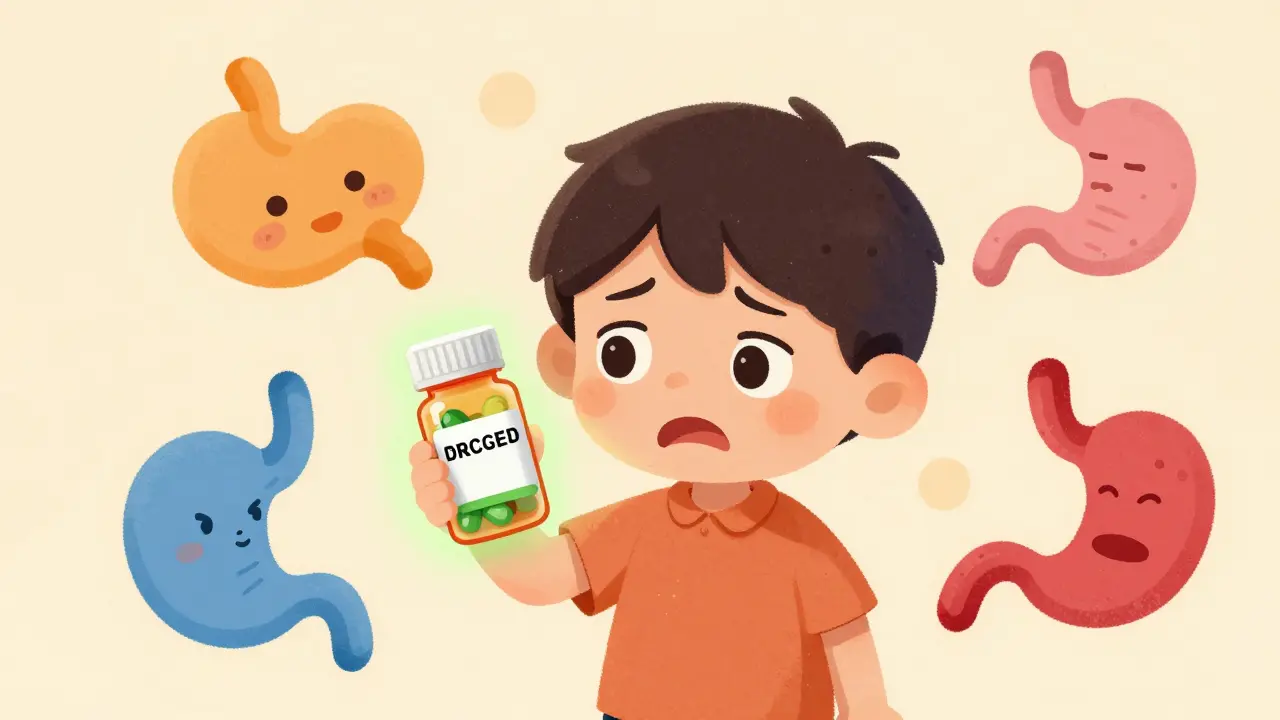
Switching to a generic medication can save you hundreds of dollars a year. But what if that savings comes with a hidden cost? You take your new generic pill, and a few days later, you feel off-headaches, rashes, stomach pain, or worse. It’s not in your head. And you’re not alone.
More than 90% of prescriptions in the U.S. are filled with generics. That’s over 6 billion prescriptions annually. The FDA says these drugs are bioequivalent to their brand-name versions. But bioequivalent doesn’t mean identical. And that small difference can trigger real, sometimes serious, side effects.
Why Your Generic Might Be Making You Sick
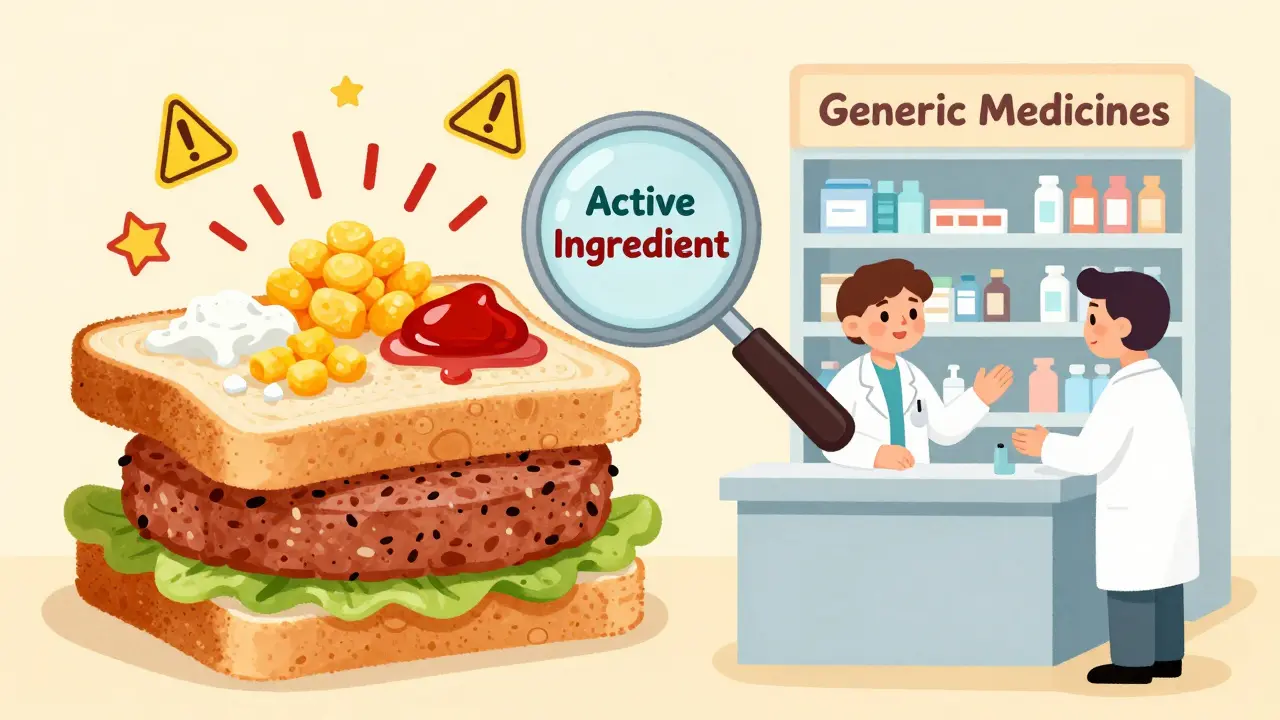
Generic drugs have the same active ingredient as the brand-name version. That part is regulated tightly. But everything else? That’s where things get messy.
Think of a pill like a sandwich. The active ingredient is the meat-the part that does the work. But the bread, cheese, pickles, and condiments? Those are the excipients. These are the inactive ingredients: fillers, dyes, flavors, preservatives. And they vary wildly between manufacturers.
One generic version of levothyroxine might use cornstarch. Another might use lactose. If you’re lactose intolerant, that tiny change can cause bloating, diarrhea, or even thyroid hormone fluctuations. A 2023 GoodRx analysis found that 23.7% of patients switching thyroid meds reported new side effects-far higher than any other category.
Colorings matter too. Red 40 and Yellow 5, common dyes in children’s medications or extended-release pills, have been linked to headaches, rashes, and even hyperactivity. A 2022 study in the Review of Ophthalmology showed that patients switching from branded Travatan Z to a generic version developed severe eye irritation-not because the active ingredient changed, but because the generic used benzalkonium chloride (BAK) as a preservative instead of SofZia. BAK is harsher. And for some, it’s unbearable.
When Small Differences Cause Big Problems
Not all drugs are created equal when it comes to switching. Some are forgiving. Others? Not so much.
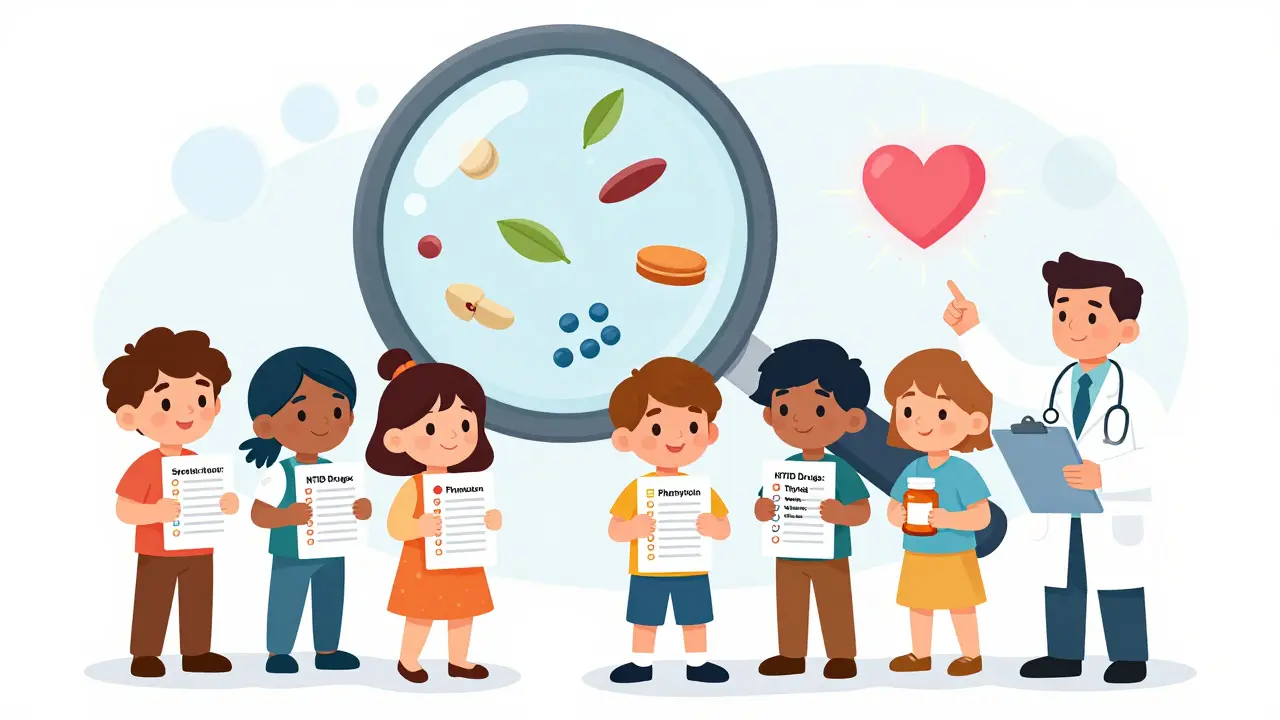
The FDA calls these narrow therapeutic index (NTID) drugs. These are medications where even a 10% change in blood concentration can lead to treatment failure-or overdose. Examples include:
- Warfarin (Coumadin)
- Levothyroxine (Synthroid)
- Phenytoin (Dilantin)
- Digoxin
- Cyclosporine
A 2020 study in JAMA Internal Medicine found that 14.7% of patients taking generic warfarin had unexpected bleeding after switching manufacturers. That’s more than triple the rate of those who stayed on brand-name Coumadin. Why? Because small differences in absorption or dissolution can throw off your INR levels. And that’s not something you want to guess about.
Same goes for anti-seizure drugs. A 2021 University of Maryland analysis showed that 12.4% of epilepsy patients had breakthrough seizures after switching generics. One patient reported going from 3 seizures a month to 12 in two weeks. Her doctor didn’t suspect the pill-until she showed him the bottle. Different manufacturer. Different filler. Same active ingredient. Totally different outcome.
What Side Effects Should You Worry About?
Not every new symptom means danger. But some are red flags you can’t ignore.
Call 911 or go to the ER if you have:
- Sudden, painful rash with blisters or peeling skin (possible Stevens-Johnson Syndrome)
- An erection lasting more than 4 hours (priapism-linked to trazodone, bupropion)
- Severe swelling of the face, tongue, or throat (anaphylaxis)
- Chest pain, rapid heartbeat, or fainting (especially if you’re on heart meds)
- Unexplained bruising, bleeding, or dark urine (could mean liver or blood toxicity)
These aren’t "maybe" situations. They’re emergencies. The FDA defines serious side effects as those causing death, hospitalization, disability, or birth defects. If you’re experiencing any of these, don’t wait. Go now.
Call your doctor within 24 hours if you have:
- Severe nausea or vomiting lasting more than 48 hours
- New or worsening anxiety, depression, or suicidal thoughts (common with antidepressants and ADHD meds)
- Unexplained dizziness, tremors, or confusion
- Swelling in your ankles or legs (especially if you’re on blood pressure meds like amlodipine)
- Heart palpitations or a racing pulse that doesn’t go away
A 2023 Reddit thread with over 300 comments from patients who switched generics showed a pattern: symptoms usually started within 3-7 days. And most improved-or disappeared-when they switched back.
How to Protect Yourself
You can’t control what pharmacy fills your prescription. But you can control what you do next.
Check the label. Look for the manufacturer’s name. It’s usually printed on the bottle or sticker. If it changes from one refill to the next, write it down. Some patients keep a small note in their wallet: "Generic Amlodipine-Manufacturer X works. Manufacturer Y causes swelling."
Ask your pharmacist. Not all of them will know, but many do. Ask: "Is this the same manufacturer as last time?" If they say no, ask if you can stick with the one that worked before. Some pharmacies will accommodate this-especially if you have a history of reactions.
Track your symptoms. Keep a simple log: date, medication, manufacturer, symptoms, duration. Even a note on your phone helps. If you need to see your doctor, this gives them real data-not just "I feel weird."
Don’t stop cold. If you think the generic is causing problems, don’t quit it on your own. Stopping blood pressure meds, thyroid pills, or seizure drugs suddenly can be dangerous. Call your doctor first.
What’s Being Done About It?
The system isn’t broken-it’s just outdated.
The FDA approved over 14,700 generic drugs as of January 2024. But only 85% are proven to be fully equivalent. The rest? They’re "therapeutically equivalent" on paper, but real-world data tells a different story.
In March 2024, the FDA announced a new Therapeutic Equivalence Advisory Committee to focus on high-risk drugs like thyroid and anti-seizure meds. They’re also drafting new rules for complex generics-things like inhalers, patches, and eye drops-where formulation differences are harder to detect.
And in February 2024, Congress introduced the Generic Drug Safety Act. If it passes, manufacturers will be required to notify doctors and pharmacists whenever they change an excipient. No more silent switches.
Right now, 73% of the active ingredients in U.S. generics come from India and China. The FDA inspects only a fraction of those facilities. And while 96.7% of applications meet standards on first review, quality control can slip between inspections.
That’s why your experience matters. Every time you report a reaction, you help the system see what’s hidden.
When to Trust Your Body
Patients are often told, "Generics are just as good." And for most people, they are.
But if you’ve been stable on a brand-name drug for years-and then a new generic makes you feel like a different person-you’re not being paranoid. You’re being observant.
Doctors are starting to listen. A 2023 Johns Hopkins study found that when physicians documented which generic manufacturer worked best for each patient, side effect-related discontinuations dropped by 37.8%. That’s not magic. That’s attention.
You know your body better than any study. If something feels off after a switch, it probably is. Don’t wait for it to get worse. Don’t assume it’s "all in your head." And don’t be afraid to ask for the one that worked before.
Generic drugs saved the U.S. healthcare system over $1.67 trillion between 2006 and 2022. That’s huge. But safety isn’t a trade-off. It’s a promise. And if your body is telling you it’s broken, it’s time to speak up.
Can generic medications cause different side effects than brand-name drugs?
Yes. While generics must contain the same active ingredient as the brand-name drug, they can differ in inactive ingredients (excipients) like fillers, dyes, preservatives, and flavorings. These differences can trigger allergic reactions, digestive issues, or changes in how the drug is absorbed. For example, switching from a brand-name thyroid med to a generic with lactose can cause symptoms in lactose-intolerant patients. The FDA confirms that while most generics are safe, some patients experience new or worsening side effects after a switch.
Which generic drugs have the highest risk of side effect differences?
Drugs with a narrow therapeutic index (NTID) carry the highest risk. These include levothyroxine (Synthroid), warfarin (Coumadin), phenytoin (Dilantin), digoxin, and cyclosporine. Small changes in blood levels can lead to treatment failure or overdose. Studies show that 12.4% of epilepsy patients and 14.7% of warfarin users experienced unexpected side effects after switching manufacturers. Thyroid and psychiatric medications also show high rates of patient-reported reactions.
How do I know if my side effects are from a generic switch?
Side effects from a generic switch usually appear within 3 to 7 days after the new pill. If you’ve been stable on your medication for months or years-and suddenly develop headaches, anxiety, swelling, or stomach pain after a refill change-it’s likely related. Check the manufacturer name on the bottle. If it’s different from your last refill, that’s a strong clue. Keep a symptom log and show it to your doctor. Many patients report improvement after switching back to the original manufacturer.
Should I stop taking a generic if I think it’s causing problems?
No. Stopping certain medications suddenly-like blood pressure pills, thyroid meds, or seizure drugs-can be dangerous. Instead, contact your doctor or pharmacist. Explain your symptoms and ask if you can return to the previous manufacturer. In many cases, pharmacies can order the same version you were on. Never discontinue without professional guidance.
Can I ask my pharmacy to always give me the same generic manufacturer?
Yes. Many pharmacies will honor this request, especially if you have a documented history of reactions. Ask your pharmacist to note your preferred manufacturer in your profile. You can also ask your doctor to write "Dispense as written" or "Do not substitute" on your prescription. This legally prevents the pharmacy from switching manufacturers without your consent.
How do I report a bad reaction to a generic drug?
You can report adverse reactions to the FDA through MedWatch, their online safety reporting system. Include the drug name, manufacturer, lot number (found on the bottle), your symptoms, and when they started. This helps the FDA identify patterns and potential quality issues. Patient reports are a critical part of drug safety monitoring. Even if your reaction seems minor, it could help prevent harm to others.


