
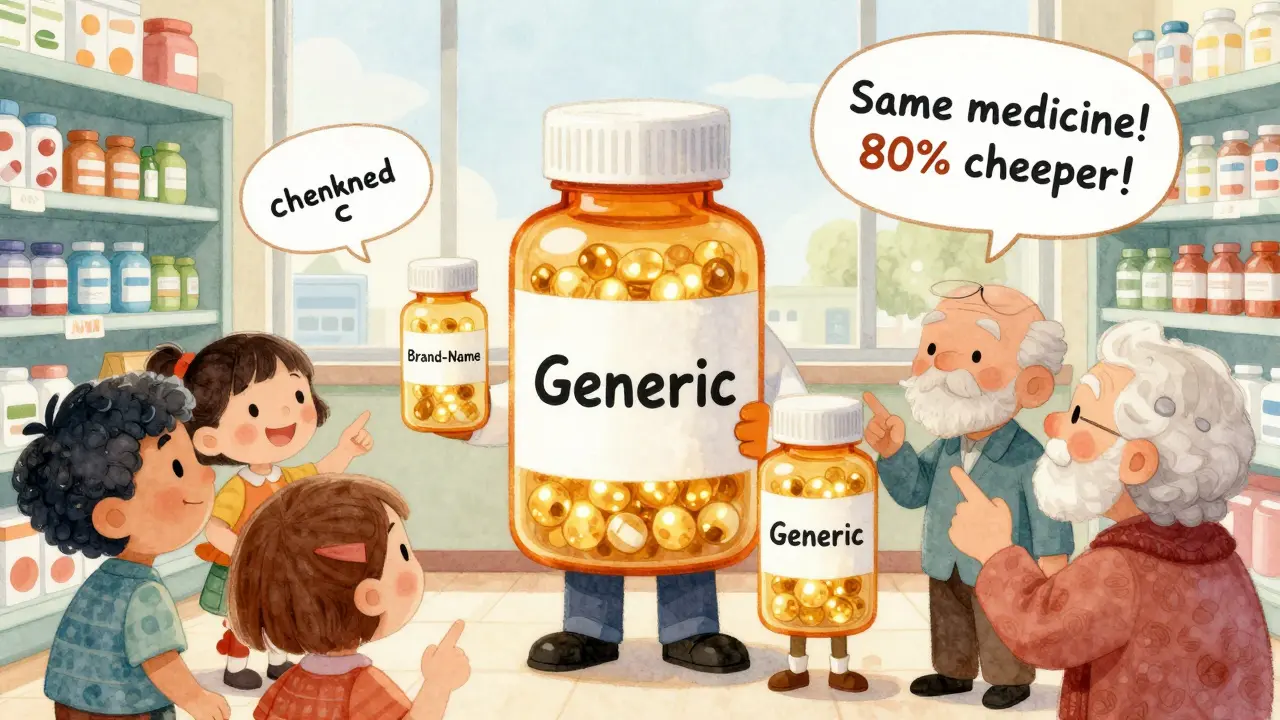
When you pick up a prescription for metformin or lisinopril, you might not realize the pill in your hand is a generic medication-and that’s exactly the problem. Most patients don’t know what generics are, why they’re cheaper, or if they’re just as safe as brand-name drugs. And yet, 90% of prescriptions filled in the U.S. are for generics, according to the FDA’s 2025 report. The gap between usage and understanding is wide. That’s where social media education steps in.
Why Patients Don’t Understand Generics
Patients hear "generic" and think "cheap," "inferior," or "second-rate." That’s not because they’re misinformed-it’s because no one ever explained it clearly. A 2025 survey by the National Association of Chain Drug Stores found that 61% of adults over 50 believe generics have weaker active ingredients. Nearly half of patients under 35 think they’re made in less regulated countries (they’re not-most are made in the same U.S. and EU facilities as brand names). The root issue? Traditional patient education relies on paper handouts, 10-minute doctor visits, or static website pages. These methods don’t stick. Social media changes that. It turns education into something people actually watch, share, and talk about.How Hospitals and Pharmacies Are Using Social Media
Hospitals and community pharmacies aren’t just posting about flu shots anymore. They’re building trust through real, relatable content about generics. Here’s how they’re doing it:- Instagram Reels showing side-by-side comparisons: a brand-name pill next to its generic version, with text overlay: "Same active ingredient. Same FDA approval. 80% cheaper." These videos get 3.1x more shares than generic health tips.
- TikTok series like "Ask the Pharmacist" where pharmacists answer questions in 60 seconds: "Why does my generic metformin look different?", "Can I switch between brands?", "What if I feel different on generics?" The #GenericMedication hashtag has over 42 million views as of December 2025.
- YouTube shorts featuring real patients: a veteran explaining how he saved $200/month switching to generic blood pressure meds, or a single mom showing her monthly pill organizer with 8 generic drugs.
- Facebook Groups run by pharmacy staff where members ask questions like, "Is my generic thyroid med working?" and get replies from licensed pharmacists within hours.
One clinic in Colorado saw a 41% drop in patient calls to the pharmacy line after launching a 3-week TikTok campaign on generics. Patients stopped calling because they already knew the answers.
Platform Choice Matters-Here’s What Works
Not every platform works for every audience. Here’s what the data shows for patient education on generics:| Platform | Best For | Engagement Rate | Key Feature |
|---|---|---|---|
| TikTok | Patients under 45, quick myths debunked | 4.2x higher than YouTube | Short videos with captions (90% watch without sound) |
| Visual learners, medication comparisons | 2.8x higher than Facebook | Reels + Stories with swipe-up links to FDA generics database | |
| YouTube | Patients wanting deep dives, caregivers | 15.7 min avg. watch time | Explainer videos with animations of how generics are approved |
| Adults 50+, community support | High comment volume | Private groups with pharmacist moderation | |
| Healthcare providers sharing best practices | Low patient reach, high professional use | Articles on cost-saving strategies for clinics |
Successful programs focus on just two platforms. One hospital system in Ohio used only TikTok and Facebook. They saw a 37% increase in patients asking for generics during appointments-up from 12% the year before.
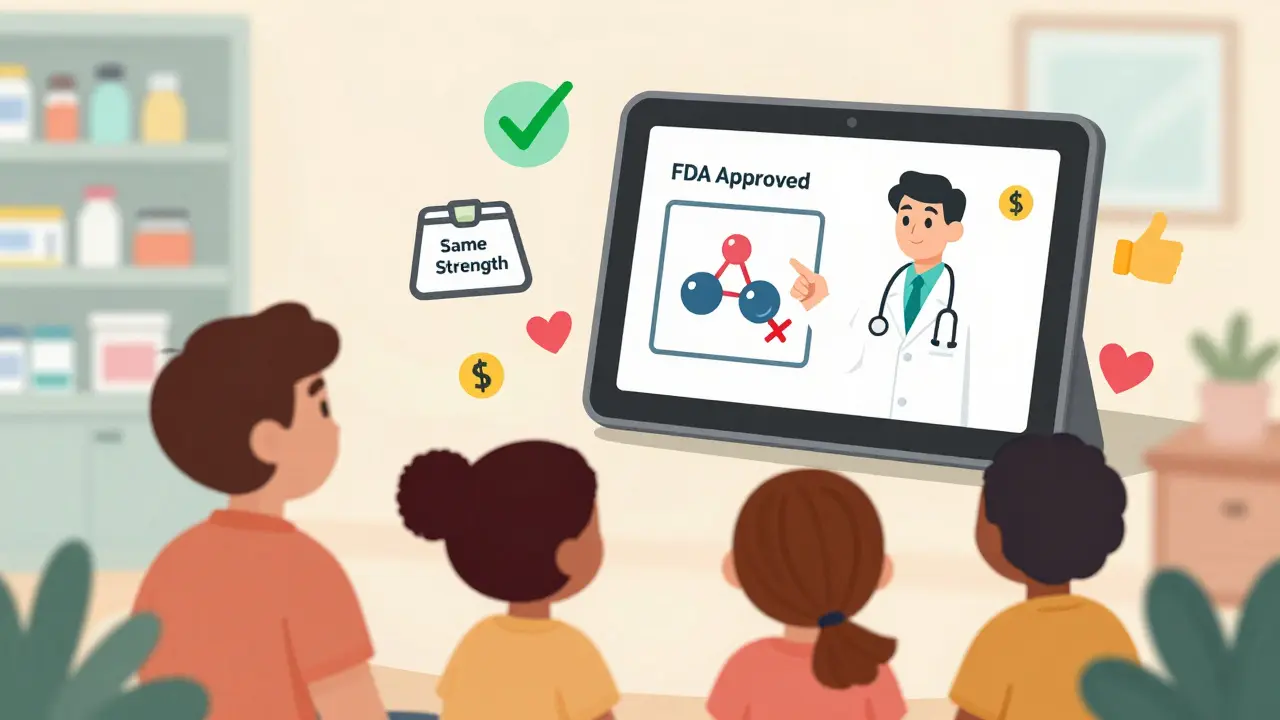
What Authentic Content Looks Like
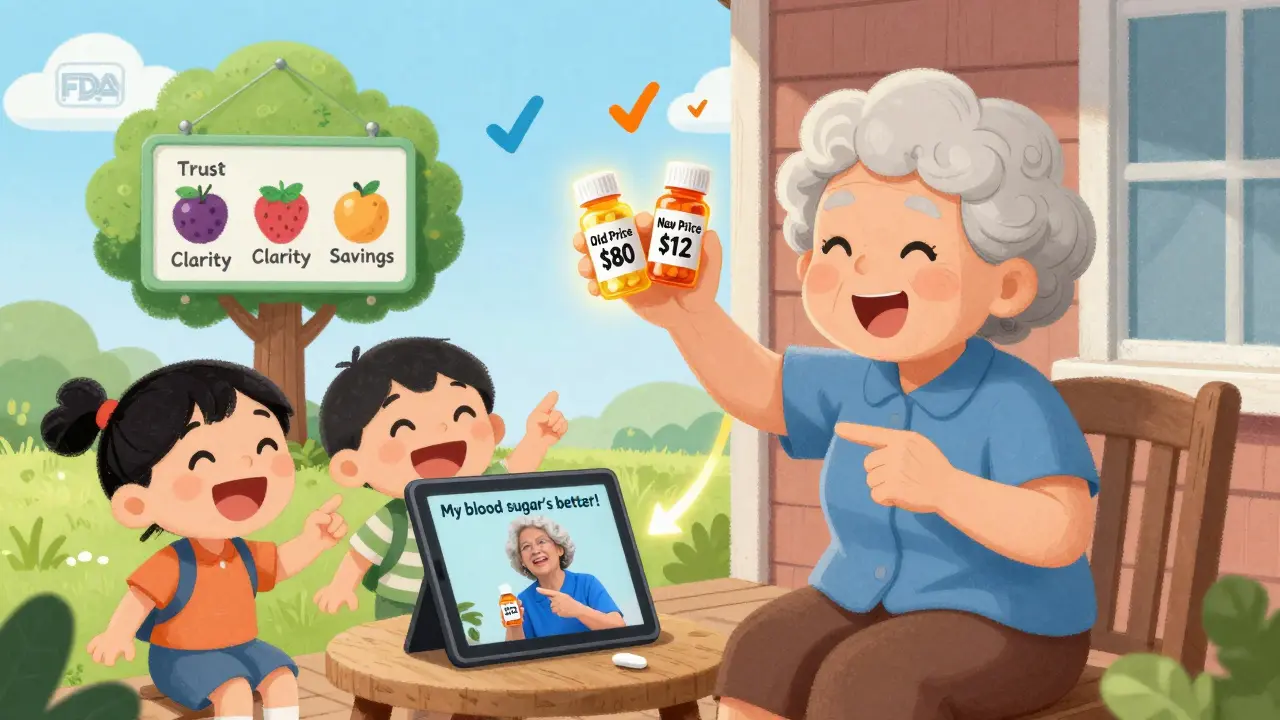
The biggest mistake? Over-polished ads. Patients can smell marketing from a mile away. The most trusted content isn’t made by PR teams-it’s made by patients and pharmacists.A 2025 study from Johns Hopkins found that content perceived as "too professional" reduced trust by 48%. But when a 72-year-old woman filmed herself opening her pill bottle and saying, "I used to pay $80 for this. Now it’s $12. I didn’t think it’d work, but my blood sugar’s better,"-that video got 1.2 million views.
Authenticity means:
- Showing the pill bottle, not just a logo
- Letting patients speak in their own words
- Admitting when side effects happen: "Some people feel dizzy at first. That’s normal. Call us if it lasts more than 3 days."
- Using real pharmacy counters, not studio backdrops
One pharmacy chain started a "My Generic Story" campaign. Patients submitted videos. The best ones were posted with their names and locations. Engagement jumped 217%. Trust? Up 52%.
Common Myths-And How to Bust Them
Social media education works best when it tackles myths head-on. Here are the top 5, and how to respond:- "Generics aren’t as strong." → Show the FDA’s 90-110% bioequivalence rule. A 15-second animation of blood levels matching brand and generic side by side cuts through the noise.
- "They’re made in China and unsafe." → Point to FDA inspection records. Post photos of U.S.-based generic manufacturing plants. One pharmacy shared a video tour of their supplier’s facility in North Carolina.
- "My doctor wouldn’t prescribe it if it wasn’t better." → Explain that doctors often prescribe brand names because they’re unfamiliar with generics-not because they’re better. Add a quote: "I prescribe generics 95% of the time. I just don’t always say it."
- "The fillers are different, so I react to them." → Acknowledge it’s possible. Say: "Yes, inactive ingredients can cause reactions. But they’re listed on the bottle. If you’re sensitive, ask us to check the label before filling."
- "I’ll save money, but I’ll get sicker." → Share data: A 2025 JAMA study of 2.3 million patients found no difference in hospitalizations between brand and generic users for 12 common conditions.
What Doesn’t Work
Don’t post a PDF of the FDA’s generic drug guide. Don’t run a 5-minute YouTube video with a talking head in a lab coat. Don’t use medical jargon like "bioequivalence" without explaining it.One hospital lost 3,000 followers after posting a chart comparing molecular weights of drugs. No one shared it. No one commented. It was ignored.
Patients don’t want data dumps. They want clarity, reassurance, and a human voice.
Getting Started: A Simple Plan
You don’t need a big team. Here’s how a small clinic can start today:- Pick one platform: TikTok or Instagram Reels (best for quick wins).
- Record 3 videos:
- "What is a generic drug?" (30 seconds)
- "Why I switched my patients to generics" (a pharmacist speaking)
- "How to read your generic pill label" (show a real bottle)
- Post one video every Wednesday for 4 weeks.
- Reply to every comment. Even just "Thanks for asking!"
- Track: How many people ask for generics during visits after you post?
Within 6 weeks, you’ll know what works. No fancy tools needed. Just honesty and consistency.
The Bigger Picture
Social media isn’t replacing doctor visits. It’s filling the gaps between them. Patients Google their meds at 2 a.m. They scroll TikTok while waiting in the pharmacy line. They join Facebook groups when they’re scared.Healthcare providers who ignore social media are leaving patients to the internet’s worst sources-YouTube influencers, conspiracy forums, paid ads selling "natural alternatives" to generics.
By showing up with clear, calm, real content, clinics and pharmacies don’t just teach. They protect. They prevent dangerous misunderstandings. They save money. And they save lives.
Are generic medications really as effective as brand-name drugs?
Yes. The FDA requires generics to have the same active ingredient, strength, dosage form, and route of administration as the brand-name drug. They must also meet the same strict standards for purity and performance. Studies show no difference in effectiveness for over 90% of conditions. For example, a 2025 JAMA study tracking 2.3 million patients found identical hospitalization rates between those using brand-name and generic versions of blood pressure, cholesterol, and diabetes meds.
Why do generic pills look different from brand-name ones?
By law, generics can’t look exactly like brand-name drugs-this avoids trademark infringement. That’s why the color, shape, or markings might be different. But the active ingredient is identical. The difference is only in inactive ingredients like dyes or fillers, which don’t affect how the drug works. If you’re concerned about an allergic reaction to a filler, check the label or ask your pharmacist.
Can I switch between different generic brands?
Yes, you can. All FDA-approved generics meet the same standards. But some patients report feeling different when switching between brands-usually because of minor differences in inactive ingredients or how the pill dissolves. This is rare, but if you notice changes like dizziness, nausea, or less symptom control, talk to your pharmacist. They can help you stick with one manufacturer or switch back if needed.
Are generics made in unsafe countries?
Some generics are made overseas, but so are many brand-name drugs. The key is that all facilities-whether in the U.S., India, or Germany-must pass FDA inspections. The FDA inspects over 3,500 manufacturing sites worldwide each year. You can’t tell where a pill was made just by looking at it. But you can trust that it’s been tested and approved. If you’re worried, ask your pharmacist: "Where is this made?" They can check the label or contact the manufacturer.
How do I know if my pharmacy is giving me a generic?
The prescription label will list the generic name first, followed by the brand name in parentheses. For example: "Metformin (Glucophage)". If it says "Dispensed as written," your doctor wants the brand. If it says "Substitution permitted," you’ll get the generic unless you ask for the brand. Always check the pill’s appearance too-generics often look different. If you’re unsure, ask the pharmacist to show you the bottle and explain the difference.
If you’re a patient: Ask your pharmacist about generics. They’re trained to explain them. If you’re a provider: Start posting. One video a week can change how your patients think about their meds. The goal isn’t to sell. It’s to stop fear with facts.


