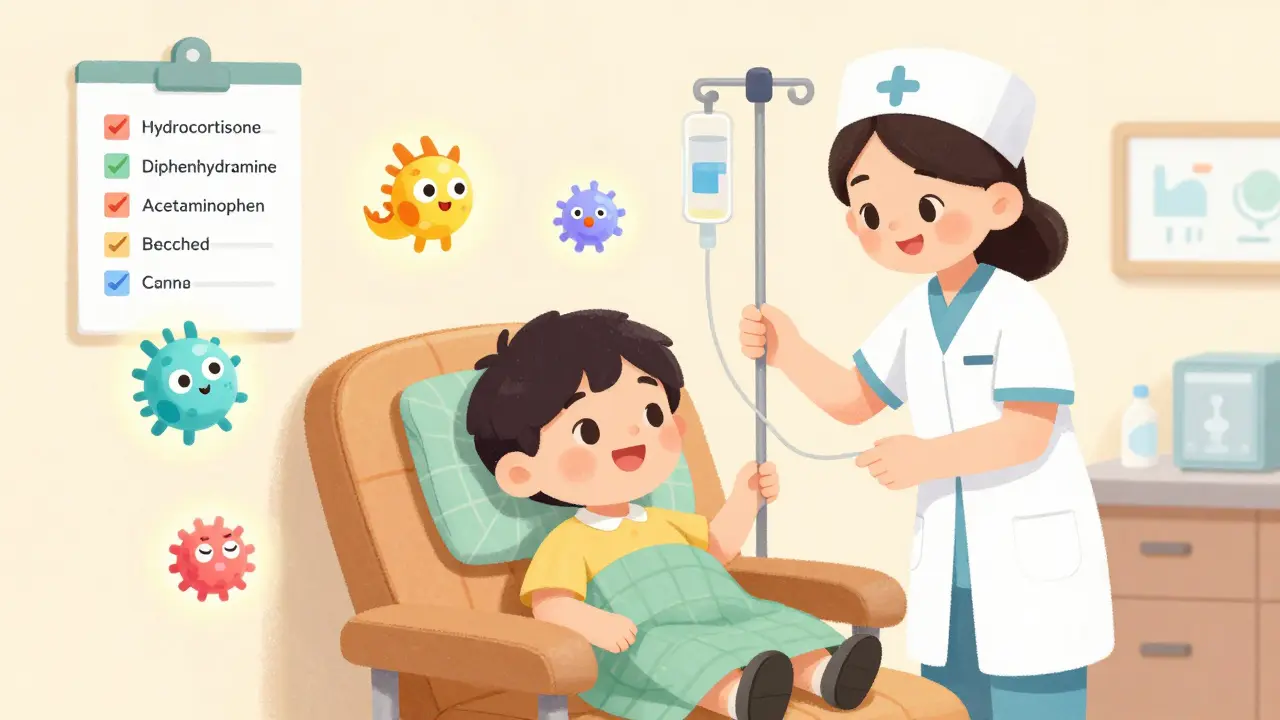
Learn how to prevent and respond to biologic infusion reactions, including premedication protocols, emergency steps, desensitization, and new 2026 advances. Know when to stop treatment and how to stay safe.
Author: Calder Renshaw - Page 2
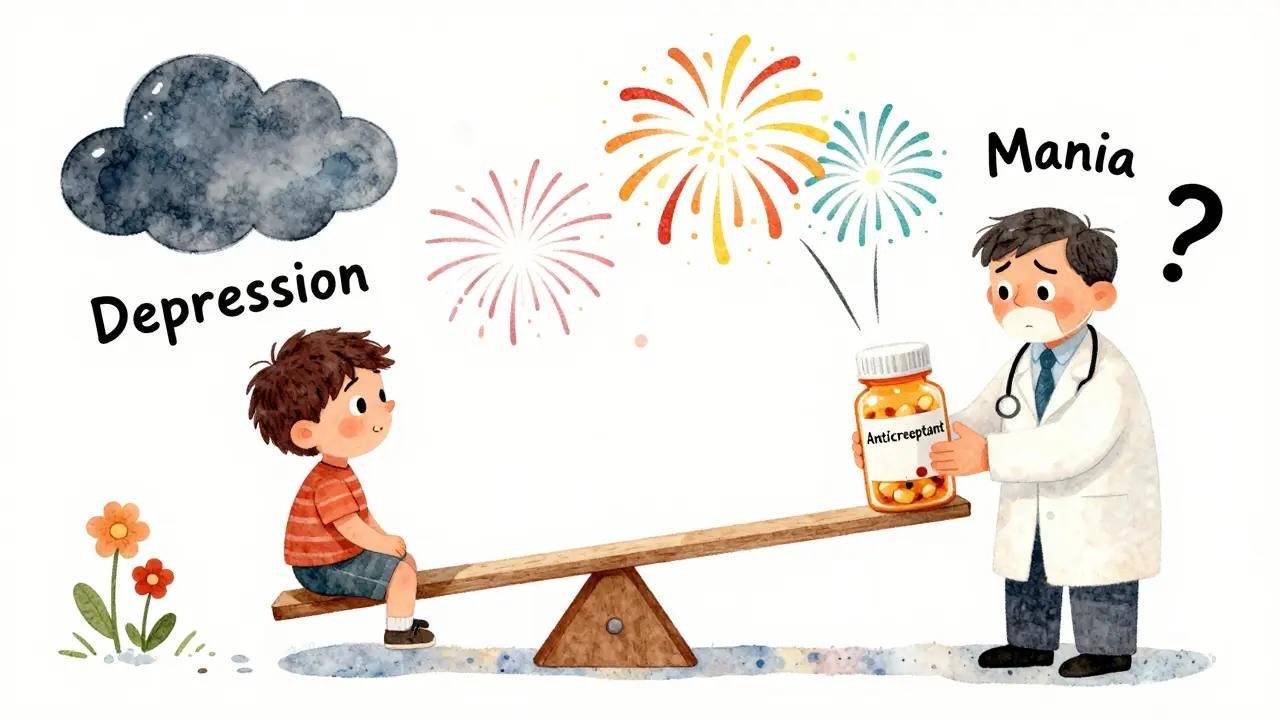
Antidepressants can trigger mania, rapid cycling, and worsen bipolar disorder. Learn why FDA-approved alternatives like quetiapine and lurasidone are safer, how to spot warning signs, and when antidepressants might still be used-under strict conditions.
Fatty foods can dramatically improve how well your body absorbs certain medications. Learn how lipid-based formulations use dietary fat to boost bioavailability, reduce side effects, and improve treatment outcomes for chronic conditions.
The Hatch-Waxman Act created the modern generic drug system in the U.S., balancing innovation with affordability. It cut approval costs, sped up market entry, and saved over $1.7 trillion in healthcare spending.
Learn the early warning signs of dangerous medication side effects that can be life-threatening. Know when to call 911, what symptoms to watch for, and how to prevent serious reactions before it's too late.
Meibomian gland dysfunction (MGD) is the leading cause of dry eye, affecting up to 86% of cases. Learn how to identify MGD, why home care is essential, and which in-office treatments like LipiFlow and IPL actually work - backed by clinical data and real patient outcomes.
Combination drug substitution poses serious legal and safety challenges as pharmacy laws struggle to keep up with complex multi-drug formulations. Learn why pharmacists can't always swap these pills-and what you need to know to stay safe.
Nebulizers and inhalers both deliver asthma and COPD meds, but science shows inhalers with spacers are faster, cheaper, and just as effective for most people. Learn who really needs a nebulizer-and why you might be using the wrong one.
Bioequivalence for inhalers, patches, and injectables requires more than blood tests-it demands matching how the drug is delivered to the body. Learn why these generics are harder to make, why they cost more, and what really makes them work.
Closed-loop insulin delivery systems automate blood sugar control using real-time glucose data and predictive algorithms. They improve time-in-range, reduce hypoglycemia, and lower HbA1c-transforming daily life for people with type 1 diabetes.