
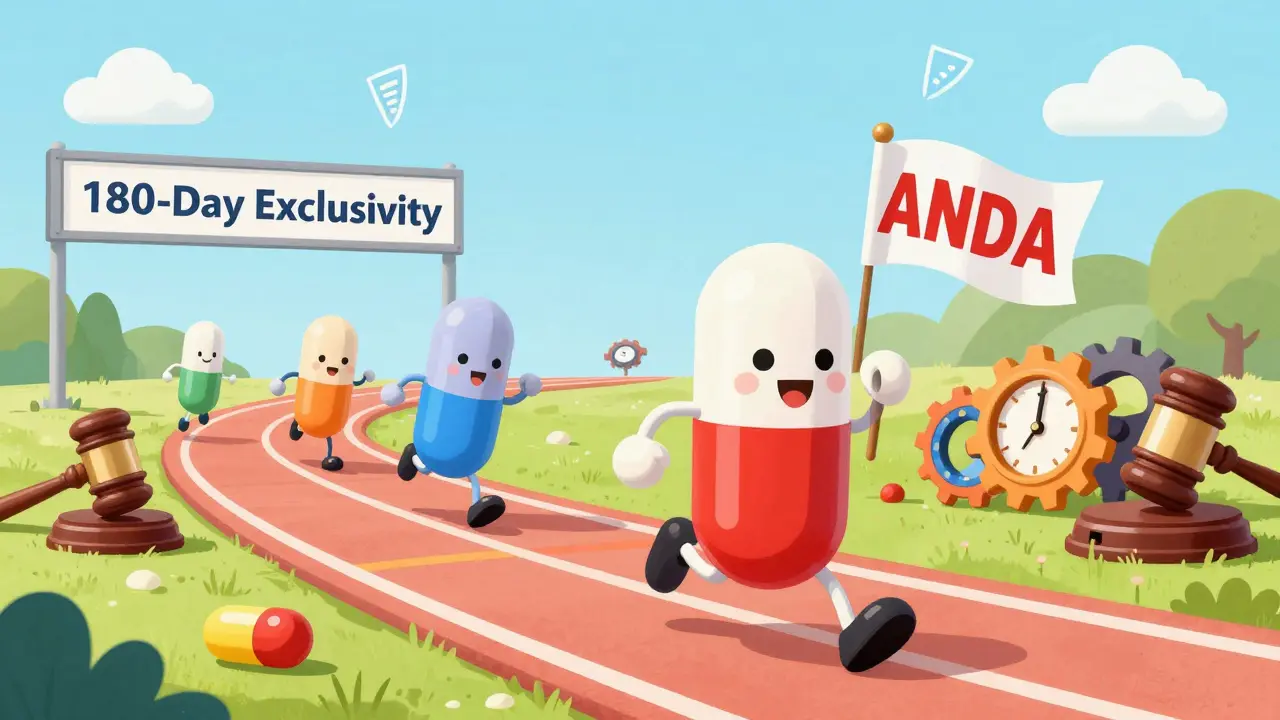
When a brand-name drug’s patent expires, you’d expect generic versions to flood the market right away-cheaper, just as effective, and available to patients who need them. But that’s not how it works. In the U.S., the first generic company to challenge a patent gets a 180-day exclusivity period. During that time, no other generic can enter. This isn’t a reward for being first to market-it’s a legal loophole designed to incentivize patent fights, and it often delays competition for years.
What Is 180-Day Exclusivity, Really?
The 180-day exclusivity rule comes from the Hatch-Waxman Act of 1984. It’s not about protecting innovation-it’s about paying generic companies to sue drugmakers. If a generic company files an Abbreviated New Drug Application (ANDA) and certifies that a brand-name drug’s patent is invalid or won’t be infringed (called a Paragraph IV certification), they’re eligible for 180 days of market exclusivity. That means the FDA can’t approve any other generic versions of the same drug until those 180 days are up. But here’s the catch: the clock doesn’t start when the FDA approves the drug. It starts when the generic company either begins selling it or wins a court case proving the patent is invalid. That’s where things get messy. Some companies file ANDAs with Paragraph IV certifications but never launch. Why? Because they’re waiting for a court decision. If the brand-name company sues them, litigation can drag on for years. Meanwhile, the exclusivity period is on hold. No other generic can enter. The original challenger sits on the rights, collecting potential billions in revenue, while patients wait.Who Gets the Exclusivity-and How?
Only the first applicant gets the 180 days. If two companies file on the same day, the FDA has rules to decide who’s first. It’s not always obvious. The ANDA must be “substantially complete”-meaning all the data, forms, and legal certifications are there. If one missing signature delays the filing by a day, someone else could slip in ahead. This has led to what industry insiders call “Paragraph IV races.” Generic manufacturers hire teams of lawyers and regulatory experts just to be the first to file. Some even time their submissions to coincide with the exact moment a patent becomes eligible for challenge. The stakes are huge: a blockbuster drug like Humira or Lipitor can generate over $1 billion in annual sales. The first generic to enter can capture 80% of the market before competitors arrive. But being first isn’t enough. The Medicare Modernization Act of 2003 added forfeiture rules. If the first applicant doesn’t market the drug within 75 days of FDA approval-or if they delay commercialization after a court decision-they lose their exclusivity. That sounds fair, but in practice, it’s full of gray areas. The FDA issued a key clarification in 2018 about buprenorphine/naloxone, making it clear that delays caused by ongoing litigation don’t automatically trigger forfeiture. That’s left many companies unsure whether they’re safe.Why This System Fails Patients
The idea behind 180-day exclusivity was simple: reward the company that takes the legal risk, so more generics challenge weak patents. But the reality? It’s often used as a tool to block competition. Brand-name companies sometimes pay generic challengers to delay their launch-a practice called “pay-for-delay.” In exchange for millions, the generic company agrees to wait months or even years before selling their version. The 180-day exclusivity gives them leverage. Even if they don’t launch, they can sit on the right to block others. The FTC has challenged dozens of these deals, but they’re still common. Even without pay-for-delay, the system creates artificial scarcity. Take a drug like Adderall XR. The first generic challenger filed in 2009. But because litigation dragged on, the drug didn’t hit the market until 2013. The 180-day exclusivity didn’t start until then. For four years, patients paid brand-name prices. No other generic could enter. The exclusivity didn’t speed up access-it locked it down.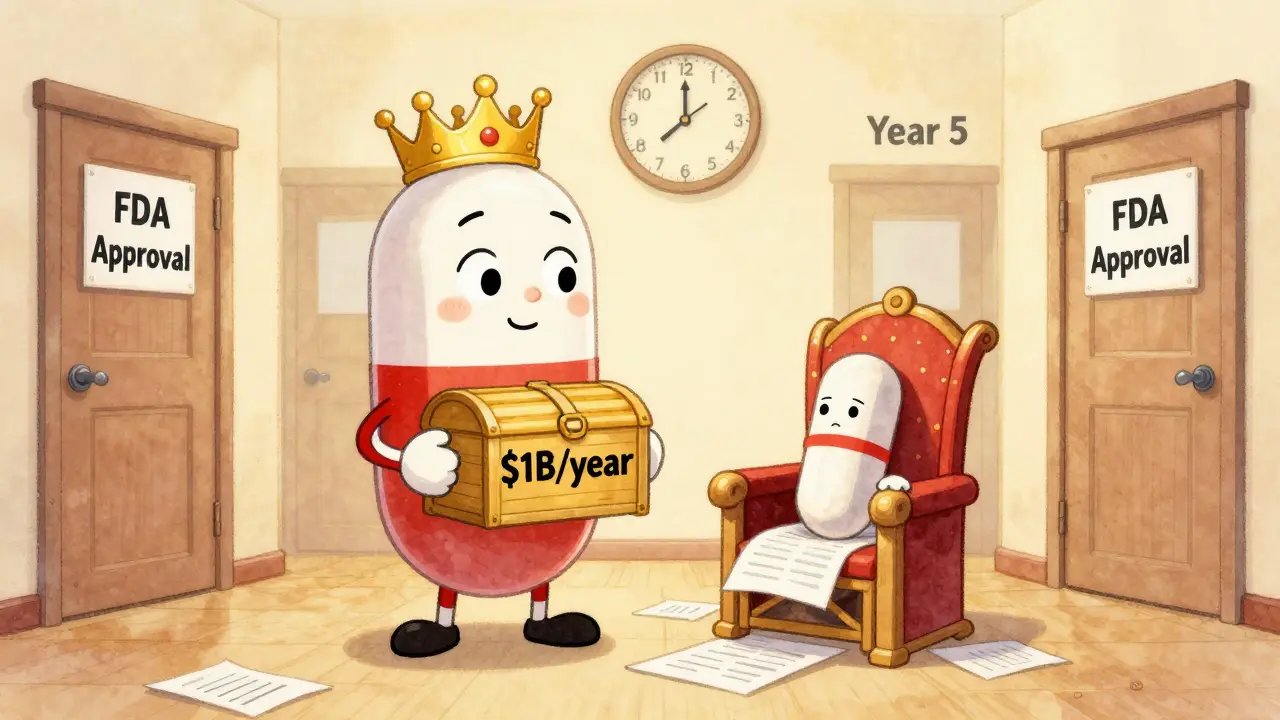
How It Compares to Other Exclusivity Rules
The 180-day exclusivity is different from other drug protections. A new chemical entity gets five years of regulatory exclusivity-no generics allowed at all. A new formulation might get three years. Pediatric extensions can add six more months. But those exclusivities prevent ANDA filings. The 180-day rule doesn’t. It allows filings-it just blocks approvals. Compare that to biosimilars, which follow the BPCIA law. There, the first interchangeable biosimilar gets 12 months of exclusivity, and multiple companies can qualify if they file together. No winner-takes-all. No holding patterns. No years-long delays. The 180-day rule is uniquely American-and uniquely broken. It’s the only system in the world that gives one company a temporary monopoly to punish another company’s patent.What’s Being Done to Fix It?
The FDA knows the system is flawed. In March 2022, they proposed major changes. The biggest? The exclusivity clock should start only when the generic is actually sold-not when a court ruling happens. That way, if a company files a challenge but waits five years to launch, they don’t get five years of blocked competition. They also proposed a new rule: if a company launches more than five years before the patent expires, they’d get 270 days of exclusivity instead of 180. That’s meant to encourage early challenges. And if multiple companies file on the same day, only the first one to meet the launch deadline gets the full 90 days. The others get to enter on day 91. These changes would end the “patent hold-up” strategy. No more sitting on exclusivity for years. No more waiting for courts to decide. Just launch or lose it. But the proposal hasn’t become law yet. Congress hasn’t acted. The brand-name drug industry lobbies hard to keep things as they are. Generic manufacturers are divided-some want reform, others fear losing their leverage.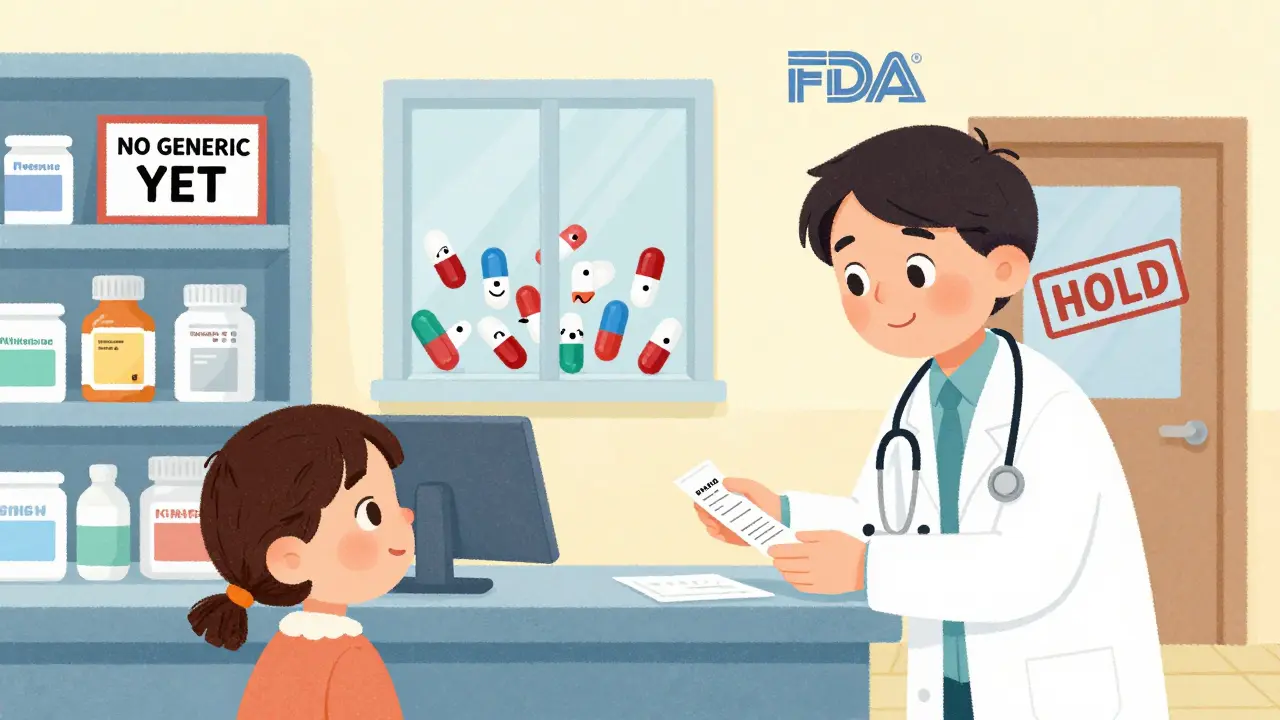
What This Means for Patients and Prescribers
If you’re a patient, this system affects your out-of-pocket costs. If you’re a doctor, it affects what you can prescribe. A drug might have been off-patent for years, but if the first generic hasn’t launched-or is sitting on exclusivity-you’re stuck with the brand-name price. Pharmacists see it too. They can’t substitute a generic if it’s not approved. Even if 10 other companies have their ANDAs ready, the FDA can’t approve them until the exclusivity runs out. That’s not market competition. That’s legal control. The Hatch-Waxman Act was supposed to lower drug prices. And it did-over $1.7 trillion in savings since 1984. But the 180-day exclusivity clause is the exception. It’s the one part that sometimes does the opposite: keeps prices high, delays access, and rewards delay over innovation.What’s Next for Generic Drug Entry?
The future of generic competition depends on whether Congress and the FDA act. If the 2022 proposal becomes law, the next wave of generic launches will be faster. Patients will get cheaper drugs sooner. Companies will be forced to compete on price and speed-not legal maneuvering. Until then, the system remains a high-stakes game. First applicants still gamble millions on patent challenges. Brand-name companies still file lawsuits to buy time. And patients? They’re still waiting.Can more than one generic company get the 180-day exclusivity?
No. Only the first company to file a substantially complete ANDA with a Paragraph IV certification qualifies. If multiple companies file on the same day, the FDA uses specific rules to pick one. Others are locked out-even if they’re ready to launch. This winner-takes-all structure is unique to the Hatch-Waxman Act and doesn’t apply to biosimilars.
What happens if the first generic doesn’t launch after winning a patent case?
The exclusivity clock starts when the court rules in their favor, even if they don’t sell the drug. Other generics still can’t enter for 180 days. This is one of the biggest criticisms of the system. Companies can legally block competition for months or years just by sitting on their rights. The FDA’s 2022 proposal would fix this by tying exclusivity to actual market entry, not court decisions.
How does 180-day exclusivity affect drug prices?
It can keep prices high. Even after a patent expires, if no generic is on the market, the brand-name drug can still charge full price. The first generic usually drops the price by 80-90% when they launch. But if they delay for years, patients pay more. Studies show that when exclusivity is held up by litigation, average drug prices remain 3-5 times higher than they would be with full competition.
Is 180-day exclusivity the same as patent extension?
No. Patent extensions give brand-name companies more time to hold exclusive rights-sometimes up to 14 extra years. The 180-day exclusivity is for generic companies. It doesn’t extend the patent. It blocks other generics from entering after the patent expires. It’s a trade: challenge the patent, get a temporary monopoly. But it’s not a patent right-it’s a regulatory incentive.
Can a brand-name company prevent a generic from getting exclusivity?
Not directly. But they can sue the generic company, which triggers litigation. If the lawsuit is filed within 45 days of the ANDA submission, the FDA must delay approval for up to 30 months. That gives the brand-name company time to negotiate or delay. Some companies use this to pressure generics into pay-for-delay deals. The exclusivity stays in place until the court rules or the 30-month stay expires.
Why hasn’t Congress fixed this system yet?
Because powerful interests benefit from the status quo. Brand-name drugmakers profit from delayed competition. Some generic companies profit from holding exclusivity without launching. Lobbying from both sides has stalled reform. The FDA’s 2022 proposal is a step forward, but without congressional action, the system remains unchanged. Patients and insurers continue to pay the cost.
This 180-day loophole is pure BS. Companies file ANDAs just to sit on them for years while patients bleed cash. It's not innovation-it's extortion. The FDA needs to shut this down yesterday.
It’s fascinating how the Hatch-Waxman Act was meant to balance access and innovation, but the 180-day exclusivity turned into a weapon. The system rewards legal delay over real competition. We need to shift the clock to launch date, not court rulings. Simple fix, huge impact.
so like… the first generic company gets to be a monopoly? wow. what a surprise. patented medicine is already a scam and now we got monopoly on the monopoly? genius. someone get me a medal for noticing this.
The structural asymmetry here is profound. The 180-day exclusivity doesn’t incentivize innovation-it incentivizes rent-seeking under the guise of litigation risk. The regulatory framework conflates legal standing with market entry, creating perverse incentives where delay becomes a strategic asset. This isn’t market efficiency; it’s regulatory capture dressed in bureaucratic legalese. The FDA’s 2022 proposal moves toward functional alignment: exclusivity should be earned by access, not obstruction. Until then, we’re not regulating pharmaceuticals-we’re arbitrating corporate chess matches with patient lives as pawns.
I know it sounds crazy but imagine if we treated medicine like we treat groceries-when the patent expires, everyone gets to sell the same thing. No waiting. No legal games. No companies sitting on rights like they’re holding a lottery ticket. Patients shouldn’t have to wait years for cheaper meds because some lawyer filed paperwork a day earlier. We can fix this. We just have to want to.
My pharmacist told me last week that a drug I’ve been on for years still doesn’t have a generic-even though the patent expired in 2020. She said it’s because the first company hasn’t launched yet. I just stared at her. That’s not how this is supposed to work. This isn’t capitalism. This is a loophole with a heartbeat.
Wait wait wait-so if I file a patent challenge and then just… do nothing, I still get to block everyone else for six months? That’s not a reward, that’s a bribe. And the FDA lets this happen? What if I just file 50 of these and never launch? Do I get 50 six-month blocks? Is this a game? Are we all just playing monopoly with people’s insulin? Someone explain to me how this isn’t a criminal enterprise.
This entire system is a cancer on public health. The fact that a single company can sit on exclusivity for years while patients die waiting for affordable meds is a national disgrace. The FDA’s proposal is too little, too late. Congress is bought. The industry owns the regulators. We need to burn this whole thing down and start over. No more compromises. No more delays. No more excuses.
The 180-day exclusivity provision under Hatch-Waxman was designed to encourage challenges to weak patents and accelerate generic entry. However, the unintended consequence has been the creation of a legal chokepoint where market entry is contingent not on patient need but on litigation timelines. The proposed FDA reforms align regulatory incentives with public health outcomes by tethering exclusivity to actual commercialization. Without congressional action, this critical opportunity to restore competitive dynamics in the generic market will remain unrealized. Patient access must be the metric, not legal technicalities.