Generic drug shortages are caused by manufacturing failures, global supply chain risks, and broken economics. With 62% of shortages tied to production issues and 80% of active ingredients coming from just two countries, the U.S. system is fragile and underfunded.
Archive: 2026/01
Learn how to prevent and respond to biologic infusion reactions, including premedication protocols, emergency steps, desensitization, and new 2026 advances. Know when to stop treatment and how to stay safe.
Antidepressants can trigger mania, rapid cycling, and worsen bipolar disorder. Learn why FDA-approved alternatives like quetiapine and lurasidone are safer, how to spot warning signs, and when antidepressants might still be used-under strict conditions.
Fatty foods can dramatically improve how well your body absorbs certain medications. Learn how lipid-based formulations use dietary fat to boost bioavailability, reduce side effects, and improve treatment outcomes for chronic conditions.
Learn the key differences between osteoarthritis and rheumatoid arthritis-how they start, how they feel, and how they’re treated. Know which type you have so you get the right care.
Learn how telemedicine prescriptions for generics and controlled substances work in 2026, including DEA rules, state restrictions, PDMP requirements, and what patients and providers need to know to avoid disruptions.
Learn how to safely travel with controlled medications like oxycodone, Adderall, or Xanax without risking theft, legal trouble, or loss. Essential tips for TSA rules, international travel, hotel safety, and what to do if your meds are stolen.
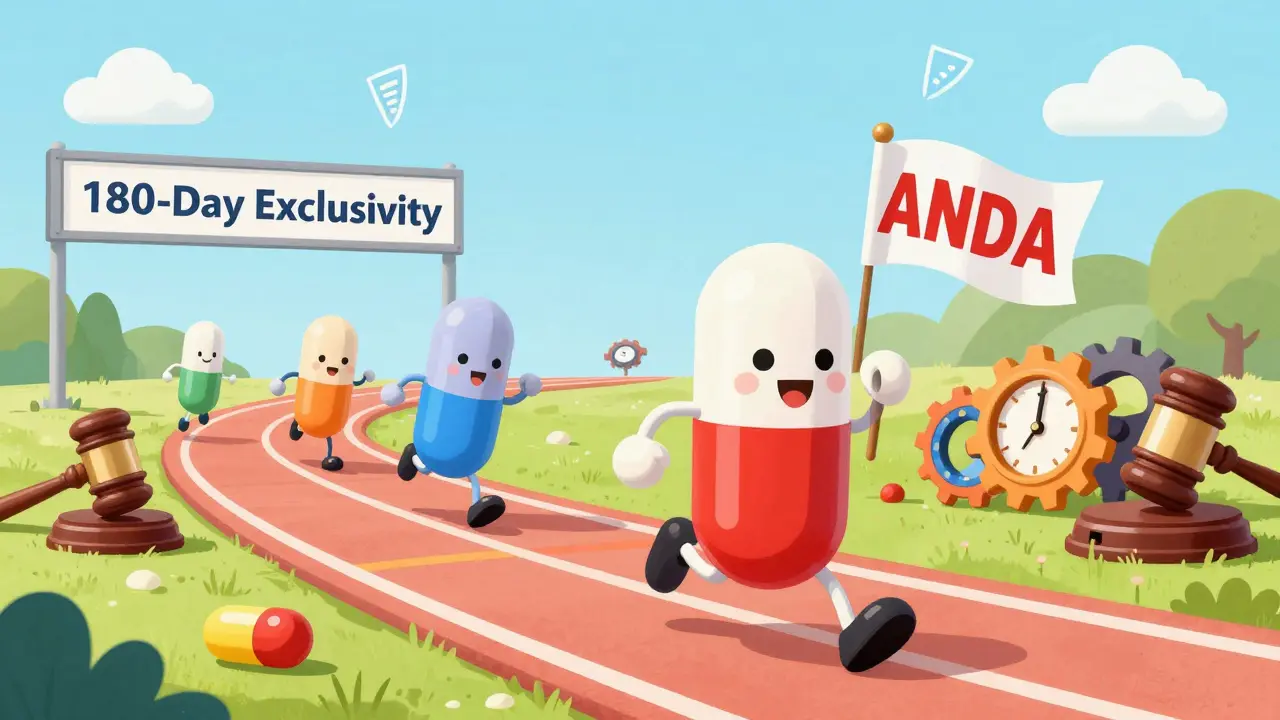
The Hatch-Waxman Act created the modern generic drug system in the U.S., balancing innovation with affordability. It cut approval costs, sped up market entry, and saved over $1.7 trillion in healthcare spending.
Learn the early warning signs of dangerous medication side effects that can be life-threatening. Know when to call 911, what symptoms to watch for, and how to prevent serious reactions before it's too late.
Learn how pharmacy systems accurately identify generic and brand drugs using NDC codes, TE ratings, and FDA guidelines. Best practices for safe substitutions, patient communication, and system setup.