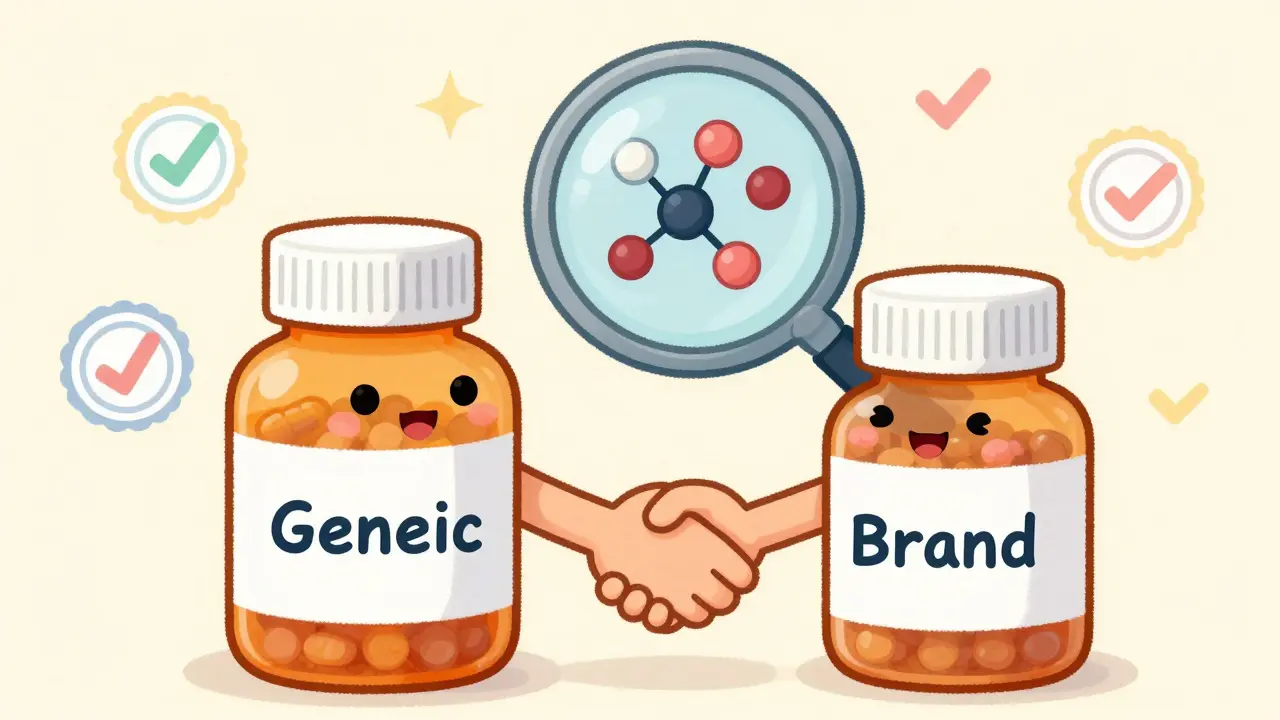
Generic drugs save billions each year by offering the same effectiveness as brand-name medications at a fraction of the cost. Here’s how they’re made-from reverse engineering to FDA approval-without cutting corners on safety or quality.
Tag: bioequivalence
Bioequivalence for inhalers, patches, and injectables requires more than blood tests-it demands matching how the drug is delivered to the body. Learn why these generics are harder to make, why they cost more, and what really makes them work.
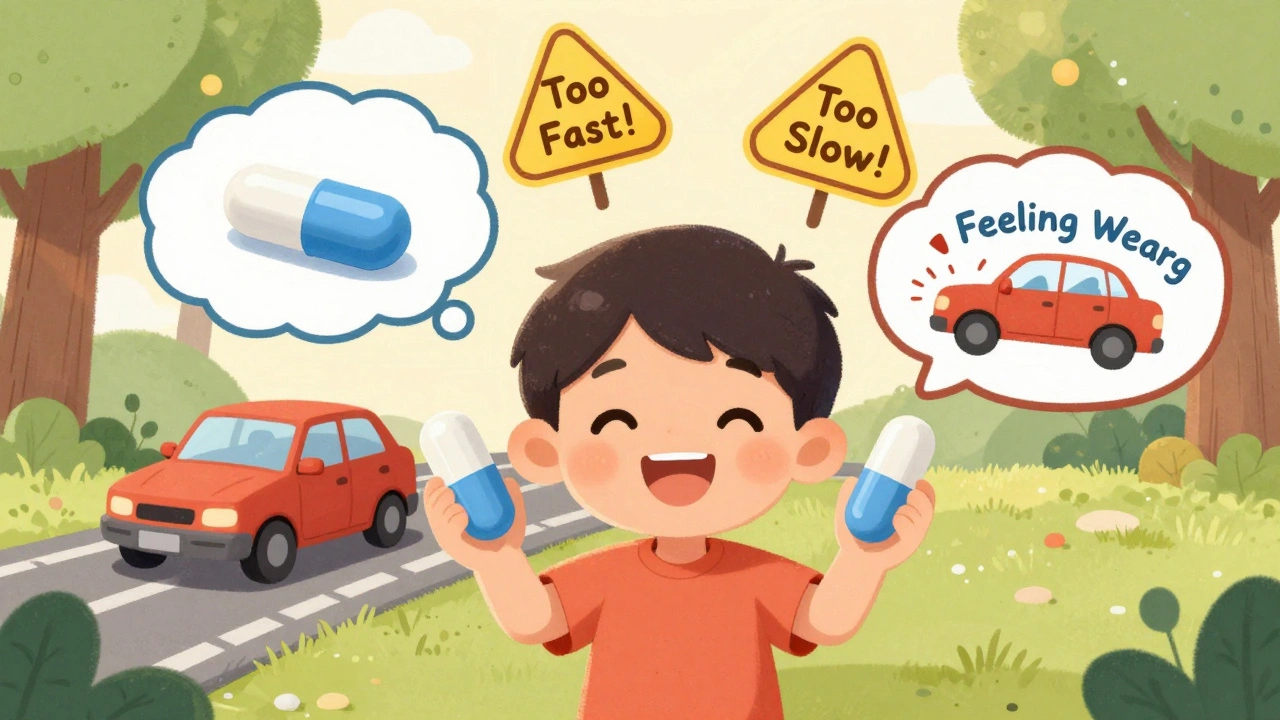
Generic medications save billions, but not everyone reacts the same. For drugs with narrow therapeutic indices like levothyroxine and warfarin, small differences in absorption can cause serious side effects. Here’s why some people feel worse after switching-and what to do about it.
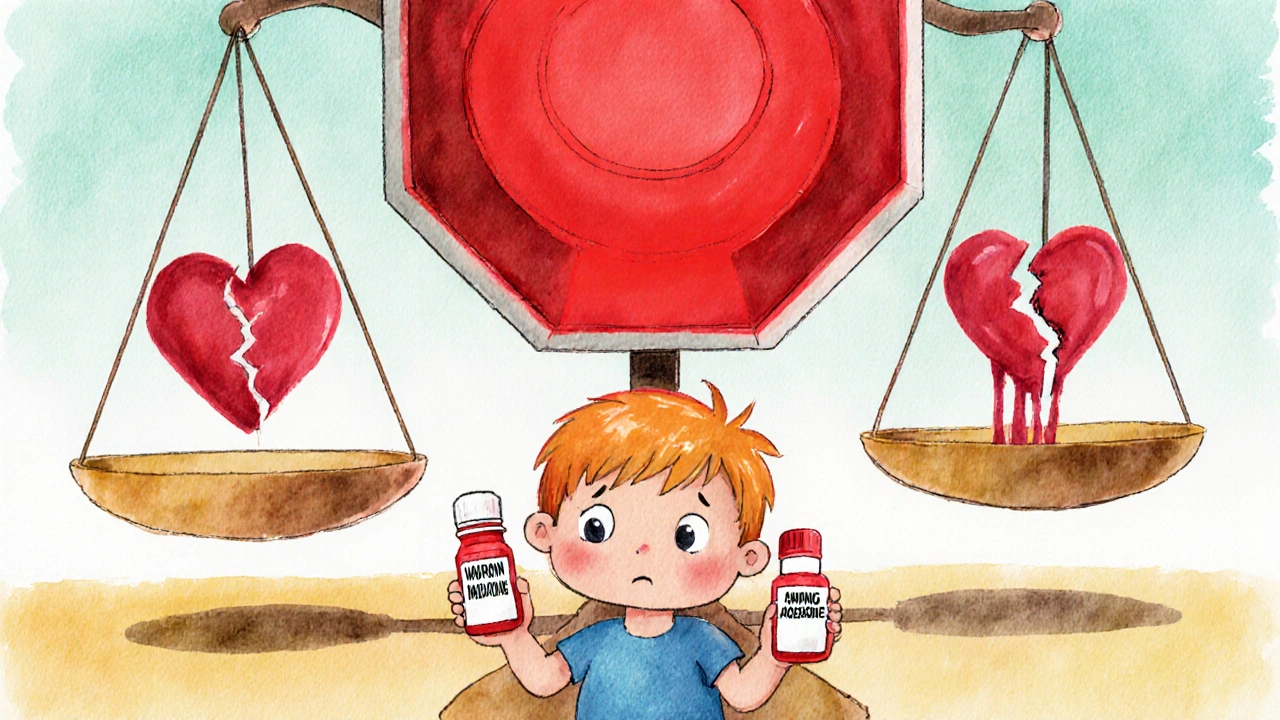
Combination NTI drugs offer precise treatment for complex conditions but face major gaps in generic availability due to bioequivalence challenges. Patients risk therapeutic failure or toxicity when generics are substituted, with no FDA-approved fixed-dose NTI combinations currently on the U.S. market.