
You wake up with a sore throat, a fever, and body aches. Your first instinct might be to ask your doctor for antibiotics. But here is the catch: if that illness is caused by a virus, those pills won’t help you get better. In fact, they could make things worse long-term. The difference between bacterial and viral infections isn't just academic trivia; it dictates whether you need medication or just rest.
Understanding this distinction is critical because the treatments are completely different. Bacteria are living cells that can survive on their own, while viruses are tiny genetic packets that hijack your body’s cells to replicate. Confusing the two leads to unnecessary medication use, which drives a global health crisis known as antibiotic resistance. Let’s break down exactly how to tell them apart, what causes them, and how doctors treat them effectively.
The Fundamental Difference: Living Cells vs. Genetic Hijackers
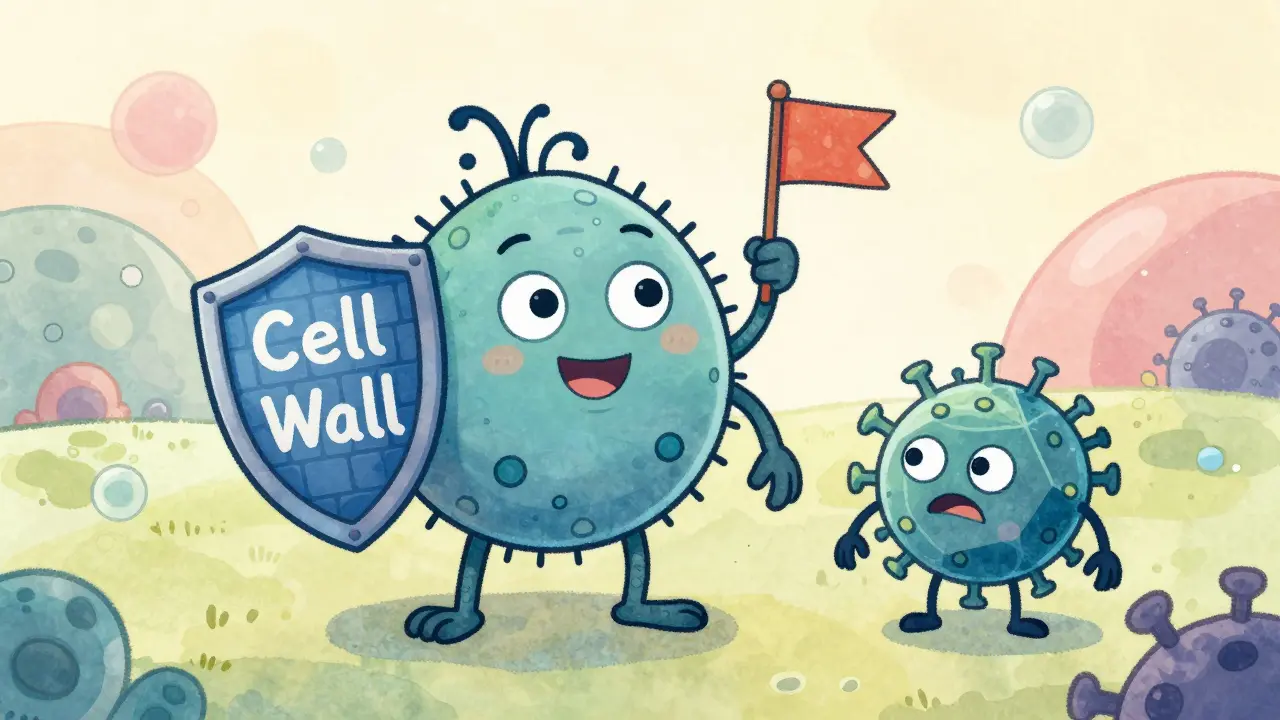
To understand why the treatments differ, you have to look at what these pathogens actually are. Bacteria are single-celled microorganisms that exist independently. They have their own cellular machinery, allowing them to reproduce through binary fission roughly every 20 minutes under ideal conditions. You find bacteria everywhere-in soil, water, on your skin, and even inside your gut where many strains are beneficial for digestion.
Viruses, on the other hand, are not considered fully alive in the traditional sense. They are significantly smaller than bacteria-often invisible under standard light microscopes-and consist merely of a protein coat surrounding genetic material (DNA or RNA). A virus cannot reproduce on its own. It must invade a human host cell and hijack that cell's machinery to create copies of itself. This fundamental structural difference explains why antibiotics, which target bacterial cell walls or protein synthesis, have zero effect on viruses.
Common Examples of Each Type
Knowing specific examples helps clarify which category an illness falls into. Most common respiratory illnesses are viral, but some serious conditions are bacterial.
- Viral Infections: Seasonal influenza (flu), the common cold (caused by rhinoviruses), chickenpox (varicella-zoster virus), and SARS-CoV-2 (COVID-19). These spread easily through droplets and contact.
- Bacterial Infections: Strep throat (streptococcal pharyngitis), urinary tract infections (UTIs), tuberculosis, and whooping cough. While some bacteria cause mild issues, others like tuberculosis affect millions globally each year.
It is worth noting that some illnesses can start as one type and become the other. For instance, severe viral pneumonia from COVID-19 often leads to secondary bacterial infections in about 50% of hospitalized patients. This is why doctors monitor closely when a patient doesn't improve as expected.
Symptom Clues: How to Spot the Difference
Differentiating between the two based solely on symptoms is tricky because there is significant overlap. However, medical professionals look for specific patterns. Dr. Michele Martinho notes that bacterial infections often present with higher fevers exceeding 101°F (38.3°C) and symptoms that persist longer than 10 to 14 days. A key red flag for a bacterial infection is when symptoms initially improve and then suddenly worsen-a pattern suggesting a secondary bacterial infection following a viral illness.
In contrast, viral infections typically feature lower-grade fevers below 100.4°F (38°C), accompanied by runny noses, generalized body aches, and coughs. Symptoms from common viral colds usually peak within a few days and improve within 7 to 10 days. If you feel miserable for three days and then start feeling better by day five, it is likely viral. If you feel worse on day ten, call your doctor.
Diagnosis: Moving Beyond Guesswork
Because symptoms overlap, guessing is dangerous. Accurate diagnosis relies on testing. For suspected strep throat, rapid antigen tests achieve 95% sensitivity, while throat cultures remain the gold standard with 98% accuracy. For viral pathogens like influenza, PCR tests demonstrate 90-95% sensitivity if performed within the first 72 hours of symptom onset.
Clinicians also use scoring systems like the Centor Criteria for strep throat. This system assigns points for tonsillar exudate, tender lymph nodes, history of fever, and absence of cough. A score of 3 or higher indicates a high probability of bacterial infection, warranting testing rather than immediate prescription. Recent advancements include rapid molecular tests like FebriDx, approved by the FDA, which analyze biomarkers to distinguish bacterial from viral origins in under 10 minutes with high specificity.
Treatment Protocols: Antibiotics vs. Antivirals
This is where the path diverges sharply. Treating a viral infection with antibiotics does nothing to cure the illness. Instead, it exposes your body to side effects and contributes to resistance. Conversely, using antivirals for a bacterial infection is ineffective.
| Feature | Bacterial Infection | Viral Infection |
|---|---|---|
| Primary Treatment | Antibiotics (e.g., Penicillin, Amoxicillin) | Supportive Care (Rest, Hydration) |
| Specialized Meds | Narrow-spectrum antibiotics | Antivirals (e.g., Oseltamivir/Tamiflu) |
| Time Sensitivity | Course lasts 5-14 days | Antivirals must start within 48 hours |
| Goal | Kill bacteria or stop growth | Reduce duration/severity; immune system clears virus |
For bacterial infections, targeted antibiotics are essential. A typical course for strep throat involves 10 days of penicillin V. Completing the full course is vital to prevent recurrence and resistance. For viral infections, treatment is mostly supportive: antipyretics for fever, hydration, and rest. Exceptions exist for specific viruses. Oseltamivir (Tamiflu) for influenza must be administered within 48 hours of symptom onset to reduce illness duration by 1-2 days. Similarly, acyclovir is used for varicella-zoster virus. Remdesivir is utilized in severe cases of COVID-19. These drugs work by inhibiting viral replication, but they have a narrow window of effectiveness.

The Danger of Misdiagnosis: Antibiotic Resistance
Why is it so important not to demand antibiotics for a cold? Because misuse fuels antibiotic resistance. The World Health Organization identifies this as one of the top 10 global public health threats. In 2019, drug-resistant bacterial infections caused 1.27 million deaths worldwide. Projections suggest this could rise to 10 million annually by 2050 if trends continue.
In the United States alone, approximately 47 million unnecessary antibiotic prescriptions are issued annually in outpatient settings. This overuse kills beneficial bacteria in your gut and allows resistant superbugs to thrive. A 2022 study in JAMA Internal Medicine found that patients receiving inappropriate antibiotics were 65% more likely to seek care for similar symptoms within the following year, creating a cycle of dependency and mismanagement. Furthermore, inappropriate antibiotic use contributes to Clostridioides difficile (C. diff) infections, causing over 220,000 cases and nearly 13,000 deaths in the U.S. each year.
Prevention and Future Directions
Since prevention is always better than cure, hygiene plays a massive role. Frequent handwashing, staying home when sick, and keeping vaccinations up to date are your best defenses. Vaccines prevent both viral diseases (like flu and chickenpox) and some bacterial ones (like pneumococcal disease).
Looking ahead, science is working on solutions. Researchers are developing narrow-spectrum antibiotics that target specific pathogens without disrupting the entire microbiome. Phage therapy, which uses viruses to kill bacteria, shows 85% efficacy in recent European trials for resistant strains. Additionally, universal coronavirus vaccines are in Phase III trials, aiming to provide broader protection against future pandemics. Until then, understanding the difference between a bug that needs killing and a bug that needs resting remains your most powerful tool for staying healthy.
Can I take antibiotics for a viral infection?
No, antibiotics do not work against viruses. Taking them for a viral infection like the common cold or flu will not speed up recovery. Instead, it increases the risk of side effects, such as diarrhea or allergic reactions, and contributes to the development of antibiotic-resistant bacteria, making future infections harder to treat.
How do doctors know if an infection is bacterial or viral?
Doctors use a combination of symptom assessment, physical exams, and diagnostic tests. For example, rapid strep tests or throat cultures identify bacterial strep throat. PCR tests detect viral genetic material. Scoring systems like the Centor Criteria help estimate the likelihood of bacterial infection based on symptoms like fever, swollen glands, and absence of cough. Newer rapid molecular tests can also analyze blood biomarkers to distinguish between the two types quickly.
What are the signs that a viral infection has turned bacterial?
Watch for symptoms that last longer than 10-14 days without improvement, or symptoms that improve and then suddenly worsen. High fevers exceeding 101°F (38.3°C) that persist, severe localized pain (like in the ears or sinuses), and shortness of breath can indicate a secondary bacterial infection requiring medical attention and possibly antibiotics.
Are all bacteria harmful?
No, most bacteria are harmless or even beneficial. Your body contains trillions of bacteria, particularly in your gut, which aid in digestion, produce vitamins, and support your immune system. Only certain strains, known as pathogens, cause disease. Antibiotics kill both good and bad bacteria, which is why finishing a prescribed course is crucial to prevent resistant strains from surviving.
How effective are antiviral medications?
Antivirals are most effective when taken early, often within 48 hours of symptom onset. For example, Tamiflu can reduce the duration of influenza by 1-2 days. Unlike antibiotics, which kill bacteria, antivirals inhibit the virus's ability to replicate. They are not available for all viruses; many viral infections, like the common cold, have no specific antiviral treatment and rely on the immune system to clear the infection.