
Statin Muscle Risk Estimator
Based on clinical data regarding body size, age, and comorbidities.
Enter your details to see how factors like age and weight influence your likelihood of muscle symptoms.
Imagine you’re taking a medication that saves millions of lives by preventing heart attacks and strokes. You trust it. But then, your thighs start aching. Your shoulders feel heavy. It’s not just a bad day at the gym; it’s a constant, nagging soreness that makes walking up stairs feel like climbing a mountain. For many people, this is the reality of taking statins, which are cholesterol-lowering drugs prescribed to reduce cardiovascular risk. These medications are powerful tools in modern medicine, but for a significant number of users, they come with a price: muscle pain.
You might be wondering if this pain is normal, if you should stop taking your pill, or if there’s a way to keep your heart safe without living in discomfort. The answer isn’t simple, but it is manageable. Understanding why this happens and how to handle it can mean the difference between stopping a life-saving treatment unnecessarily and finding a regimen that works for your body.
The Reality of Statin-Associated Muscle Symptoms
Let’s get straight to the numbers because they tell an interesting story. In controlled clinical trials, only about 5% of people report muscle issues from statins compared to those taking a placebo. That sounds low, right? But in the real world, where stress, diet, and other medications mix into the equation, the picture changes. Studies suggest that up to 30% of patients complain of muscle pain while on these drugs.
This gap between trial data and real-life experience often comes down to something called the nocebo effect. A 2017 study published in The Lancet found that patients who were told about potential muscle side effects were 40% more likely to report pain than those who weren’t warned. Expectation shapes perception. However, dismissing all complaints as psychological is wrong. For many, the pain is very real. Women, in particular, report these symptoms more frequently than men, potentially due to smaller body size, older age at initiation, or undiagnosed thyroid issues.
| Context | Reported Incidence | Key Factor |
|---|---|---|
| Clinical Trials | ~5% | Controlled environment, strict screening |
| Real-World Practice | Up to 30% | Nocebo effect, comorbidities, polypharmacy |
| Women vs. Men | Higher in women | Body size, age, thyroid prevalence |
Understanding the Spectrum of Pain
Not all muscle pain is created equal. Medical professionals categorize these symptoms under the umbrella term Statin-Associated Muscle Symptoms (SAMS), which includes a range of conditions from mild soreness to severe muscle breakdown. Knowing where you fall on this spectrum helps determine the next steps.
- Myalgia: This is the most common form. It’s muscle pain or weakness without actual damage to the muscle tissue. Your blood tests will look normal, but you still feel achy.
- Myopathy: This involves actual muscle disease or dysfunction. It’s less common but requires closer monitoring.
- Myositis: Inflammation of the muscles, often accompanied by elevated enzyme levels in the blood.
- Rhabdomyolysis: This is the rarest and most dangerous form. It involves severe muscle breakdown that can release toxins into the bloodstream, potentially damaging the kidneys. It occurs in fewer than 1 in 10,000 patient-years but is a medical emergency.
If your pain is mild and bilateral (affecting both sides equally), it’s likely myalgia. If you experience extreme weakness, dark urine, or severe swelling, seek immediate medical attention. The primary biomarker doctors check is creatine kinase (CK). If CK levels rise more than 10 times the upper limit of normal, the medication usually needs to be stopped immediately.
Who Is at Higher Risk?
Some people are simply more prone to these side effects than others. Identifying your risk factors can help you and your doctor make smarter decisions before problems arise.
Age plays a role. People over 80 have a roughly 30% higher risk of experiencing muscle pain. Body size matters too; individuals weighing less than 100 pounds face a 25% increased risk. Pre-existing conditions also matter. If you have kidney disease, liver issues, or hypothyroidism, your likelihood of developing muscle symptoms doubles. Undiagnosed hypothyroidism alone increases the risk by 35%, so getting your thyroid checked is a crucial step if you’re struggling with statin tolerance.
Medication interactions are another major culprit. Taking statins alongside fibrates, cyclosporine, or certain macrolide antibiotics can significantly increase the concentration of the statin in your blood, leading to toxicity. Always provide your doctor with a complete list of every supplement and prescription you take.
What To Do When Pain Starts
Feeling pain doesn’t automatically mean you need to quit your medication forever. Stopping statins abruptly can increase your cardiovascular risk by 25-50% within two years. Instead, follow a structured approach.
- Don’t Panic, But Don’t Ignore It: Keep a symptom diary. Note when the pain started, what activities make it worse, and whether it affects one side or both.
- Get Tested: Ask your doctor for a Creatine Kinase (CK) test. This blood test measures muscle enzymes. If levels are normal, the damage is likely minimal.
- Consider a "Statin Holiday": Many experts recommend pausing the medication for 4-6 weeks. If the pain resolves completely during this break, it confirms the statin was the cause. If the pain persists, you might be looking for a different source of your discomfort.
- Rechallenge Strategically: Once symptoms clear, try restarting at a lower dose. Often, a smaller amount provides enough cholesterol benefit without triggering pain.
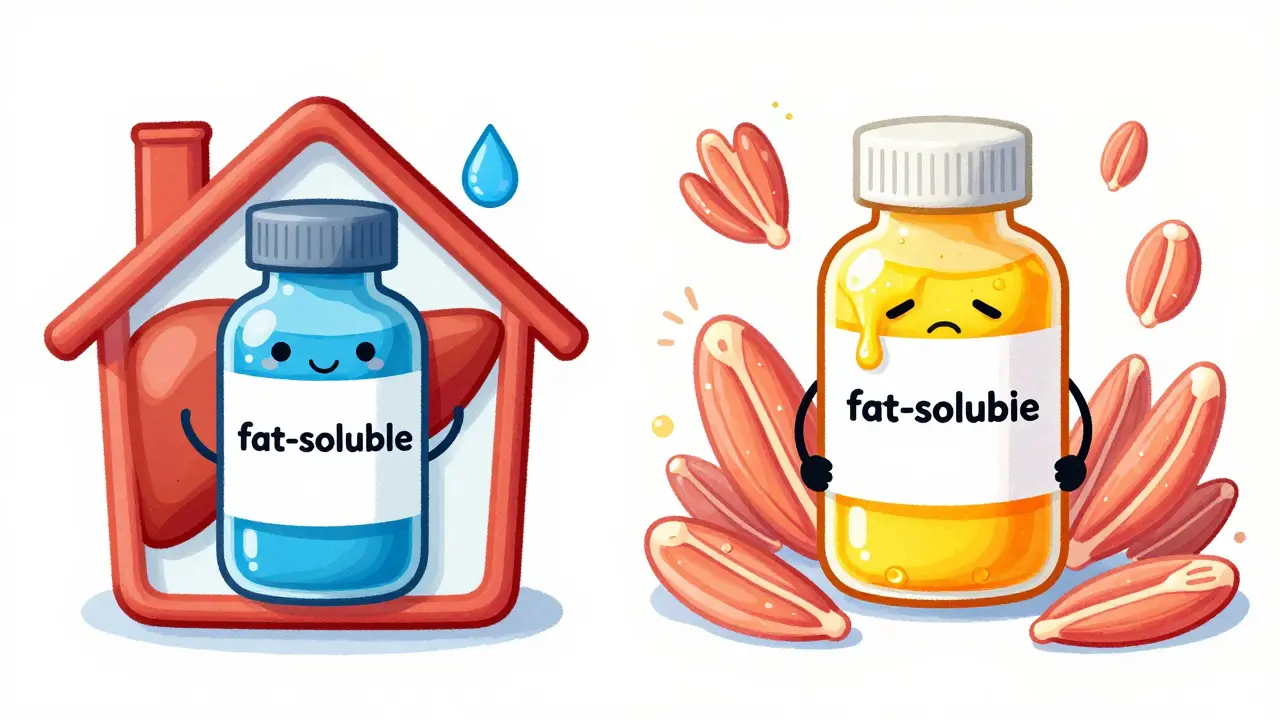
If lowering the dose doesn’t work, switching statins is the next logical step. Not all statins are the same. Some are hydrophilic (water-soluble) and stay in the liver, while others are lipophilic (fat-soluble) and travel throughout the body, including muscles. Switching to a water-soluble option like pravastatin or fluvastatin resolves symptoms in about 60% of cases.

Alternatives and Supplements
What if you can’t tolerate any statin? You still have options. Non-statin medications like ezetimibe can lower LDL cholesterol by blocking absorption in the gut. For more aggressive lowering, PCSK9 inhibitors like alirocumab or evolocumab are highly effective, though they come with a much higher price tag-often around $5,000 annually compared to generic statins which cost $4-$30 monthly.
You might also hear about Coenzyme Q10 (CoQ10) supplements. Statins can deplete natural CoQ10 levels in the body, which some believe contributes to muscle pain. The science here is mixed. A 2015 meta-analysis showed no significant benefit over placebo, but a 2018 study reported a 30% symptom reduction in nearly half of the supplemented patients. While not a guaranteed cure, it’s generally safe to discuss trying CoQ10 with your doctor, especially since deficiency is a known side effect of long-term statin use.
Why Adherence Matters
It’s easy to focus on the pain and forget the purpose. Statins reduce the risk of major vascular events by approximately 29% for every 1 mmol/L reduction in LDL cholesterol. They stabilize plaque in arteries, preventing ruptures that lead to heart attacks. Discontinuing therapy because of manageable side effects throws away this protection.
Research shows that 45% of patients stop taking statins within the first year, primarily due to muscle symptoms. However, with careful education and personalized management, specialists can maintain adherence in 80-90% of patients who initially report issues. The goal isn’t to suffer in silence; it’s to find a balance where your heart stays protected and your muscles stay comfortable.
How long does it take for statin muscle pain to go away after stopping?
For most people, symptoms resolve within a few weeks to a couple of months after discontinuing the medication. However, in rare cases, persistent symptoms can last longer, requiring further evaluation by a specialist to rule out other causes of myopathy.
Can I take statins every other day to reduce side effects?
Yes, intermittent dosing is a valid strategy for some patients. Recent studies, such as the STRENGTH trial, suggest that taking statins every other day or twice a week can maintain significant cardiovascular benefits while reducing muscle symptom incidence by up to 40%. Discuss this schedule with your doctor to ensure it aligns with your specific cholesterol goals.
Is grapefruit juice really dangerous with statins?
Grapefruit juice can interfere with the metabolism of certain statins, particularly atorvastatin and simvastatin, leading to higher drug levels in the blood and increased risk of side effects. It has less impact on rosuvastatin or pravastatin. Moderation is key, but avoiding large quantities is wise if you are on a sensitive statin.
What is the best statin for someone with muscle sensitivity?
Pravastatin and fluvastatin are often recommended for patients with muscle sensitivity because they are hydrophilic (water-soluble) and do not penetrate muscle tissue as easily as lipophilic statins like atorvastatin or simvastatin. Starting with a low dose of these agents is a common clinical strategy.
Does exercise worsen statin-induced muscle pain?
Exercise can sometimes exacerbate existing muscle pain, making it harder to distinguish between workout soreness and statin-related issues. However, regular, moderate physical activity is crucial for cardiovascular health. If pain persists despite rest, consult your doctor. Gentle stretching and gradual intensity increases may help manage symptoms.
People just need to stop whining. You take the pill, you live longer. Simple as that.
I appreciate the detailed breakdown of SAMS here. It is crucial to distinguish between myalgia and rhabdomyolysis because the latter requires immediate intervention. I have seen many patients who are terrified of any muscle ache, leading to unnecessary discontinuation of therapy. The point about hydrophilic statins like pravastatin being less likely to penetrate muscle tissue is a key clinical pearl that often gets overlooked in general discussions. If someone is struggling, switching rather than stopping is usually the best first line of defense.
The mind-body connection is fascinating in this context. When we expect pain, we invite it. This nocebo effect suggests that our consciousness plays a larger role in physical sensation than we admit. Perhaps the pain is not just chemical but existential, a resistance to the artificial regulation of our natural rhythms. We must ask ourselves if we are truly healing or merely managing symptoms while ignoring the root cause of our disconnection from nature.
This is such a helpful resource! I was worried about starting my statin because of what I heard online, but reading about the structured approach gives me confidence. Knowing that there are alternatives like ezetimibe or even just adjusting the dose makes me feel much more empowered to talk to my doctor. We can definitely find a balance that works for everyone.
They want us all on these drugs so we stay sick and dependent. Big Pharma loves muscle pain because it keeps you coming back for more prescriptions. Do your own research and look at the long term effects. They are hiding the truth about how these chemicals destroy your body slowly. Wake up people.
Your thyroid function is probably screwed up anyway. Most people with these complaints have undiagnosed hypothyroidism which doubles their risk. Stop blaming the drug and check your TSH levels. It is basic physiology that you are ignoring. The data shows comorbidities are the real issue, not the medication itself. You are looking at the wrong variable entirely.
From a pharmacokinetic perspective, the distinction between lipophilic and hydrophilic agents is paramount. Lipophilic statins cross cell membranes more readily, increasing intracellular concentration in skeletal muscle, whereas hydrophilic statins remain largely hepatic. This mechanistic difference explains why patients intolerant to atorvastatin may tolerate rosuvastatin or pravastatin without adverse events. Furthermore, the interaction with CYP3A4 enzymes by certain antibiotics necessitates careful review of concomitant medications to avoid toxic accumulation.
I noticed that exercise can sometimes make it harder to tell if the pain is from the workout or the statin. That is a tricky spot to be in. I guess gentle stretching is the way to go until you figure it out. It is good to know that intermittent dosing is an option too.
I; have; been; taking; statins; for; years; and; always; felt; fine;; but; recently; my; legs; started; hurting;; I; checked; my; CK; levels; and; they; were; normal;; so; I; switched; to; pravastatin; and; it; helped;; please; do; not; stop; your; meds; without; talking; to; your; doctor;; it; is; very; important;;
This is typical American healthcare nonsense. Why are we pumping ourselves full of chemicals when other countries focus on diet? It is a scam designed to keep the weak dependent on the system. My grandfather never took pills and lived to ninety. These statins are destroying our national health and making us soft. We should ban them immediately and get back to real food.
It is important to respect the medical advice provided here. While individual experiences vary, the statistical evidence supports the benefits of statins for cardiovascular risk reduction. Patients should engage in open dialogue with their healthcare providers regarding side effects rather than making unilateral decisions. Maintaining a respectful discourse allows for better understanding of complex medical issues.
In our culture, we often view health holistically, yet modern medicine offers specific tools like CoQ10 supplementation which aligns with traditional wisdom about balancing bodily energies. The depletion of CoQ10 is a significant factor that many overlook. Embracing both scientific testing and mindful observation of one's body can lead to true wellness. Let us support each other in finding harmony between treatment and comfort. :)