
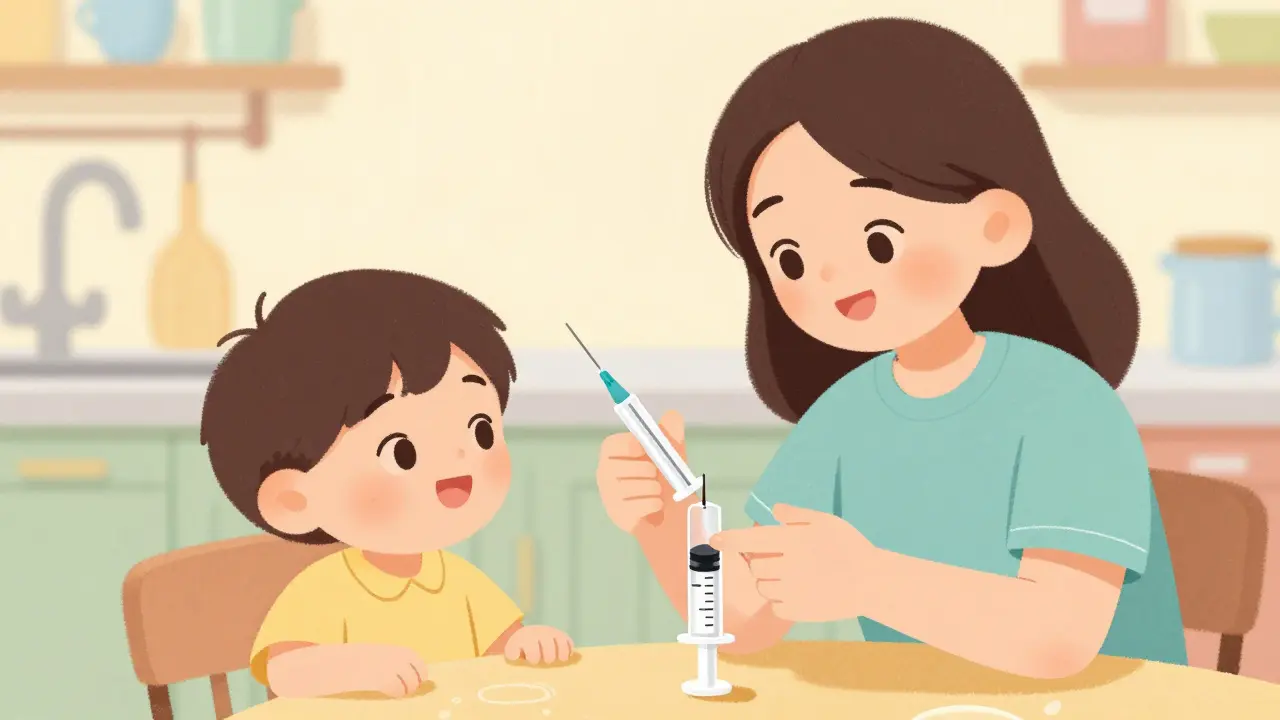
Every year, over 1.5 million people in the U.S. end up in the emergency room because of medication problems. That's more than 4,000 people every single day. What's shocking is that most of these cases are preventable. This is where medication safety comes in-a system designed to keep patients safe from harm caused by medicines.
Medication safety is the freedom from accidental injury due to medical care or medical errors during the medication-use process. It covers everything from how doctors prescribe medications to how patients take them at home.What Is Medication Safety?
Medication safety isn't just about avoiding mistakes. It's a complete system that protects patients from harm at every step of using medicine. The National Patient Safety Foundation defines it as "the freedom from accidental injury due to medical care or medical errors during the medication-use process." This includes nine stages: getting the medicine, storing it, prescribing it, writing it down, preparing it, dispensing it, giving it to the patient, recording it, and checking how it's working. Each stage has risks. For example, 38% of all medication errors happen during prescribing, 26% during administration, and 16% during dispensing, according to The Joint Commission's 2022 data.
High-alert medications like insulin, opioids, and blood thinners carry extra risks. Insulin alone causes 17% of serious medication errors. These drugs need extra care because a small mistake can lead to big problems. The CDC says children account for 20% of adverse drug events (ADEs), while adults over 65 make up 50% of ADE-related hospital stays. Pregnant women also face unique risks from certain medications.
How Medication Errors Happen
Medication errors often seem simple but have serious consequences. A common example is liquid medication dosing. Parents might give a child 10 milliliters instead of 1 milliliter because they misread the label. This happened to a mother in a CDC patient forum report: "My daughter was given 10 times the correct dose of antibiotics. She ended up in the hospital with severe stomach issues." Another frequent issue is similar packaging. Two different drugs that look alike can be mixed up. One Reddit user shared: "My grandmother was prescribed Xanax but got Valium because the bottles looked almost identical. She was disoriented for days."
Prescribing errors happen when doctors write unclear instructions or choose the wrong drug. Transcribing errors occur when nurses or pharmacists misread handwritten notes. Dispensing mistakes happen at pharmacies-like giving the wrong strength or quantity. Even administration errors, like giving a pill orally instead of through an IV, can cause harm. The CDC reports that 68% of patient-reported incidents involve wrong dosages, 22% involve wrong medications due to similar packaging, and 10% involve dangerous drug interactions not caught during prescribing.
Why Medication Safety Matters
Medication errors aren't just inconvenient-they're costly and deadly. In U.S. hospitals alone, 400,000 preventable injuries happen every year from medication problems. These cost the healthcare system about $42 billion annually. The CDC says over 1.5 million emergency room visits each year result from adverse drug events (ADEs). ADEs include allergic reactions, side effects, overdoses, and underdoses. Without proper safety measures, these issues would be even worse.
But there's good news. Comprehensive medication safety programs can cut medication errors by 50-80% in healthcare settings. For example, hospitals using barcode-assisted medication administration (BCMA) systems have reduced administration errors by 65%. Electronic health records (EHRs) with clinical decision support cut serious medication errors by 48%. These numbers show how vital medication safety is. It's not just about avoiding mistakes-it's about saving lives and money.
How Patients Can Protect Themselves
Patients aren't just passive victims. They play a key role in their own safety. Start by keeping an updated list of all medications, including dosages and why you take them. The CDC's "Keep a List" campaign found that patients who maintain medication lists reduce reconciliation errors by 45% during hospital transitions. Always ask questions when prescribed a new drug: "What is this for?" "What are the side effects?" "How should I take it?"
Check labels carefully before taking any medicine. If a pill looks different than usual, ask the pharmacist. For liquid medications, use a proper measuring tool-not a spoon. Many errors happen because people guess measurements. Older adults often skip doses due to cost or side effects, but this creates "self-induced errors." The National Council on Aging reports 42% of seniors admit to altering their medications without consulting providers. If you can't afford a medicine, talk to your doctor about alternatives. Never stop or change doses without professional advice.
Technology's Role in Safety
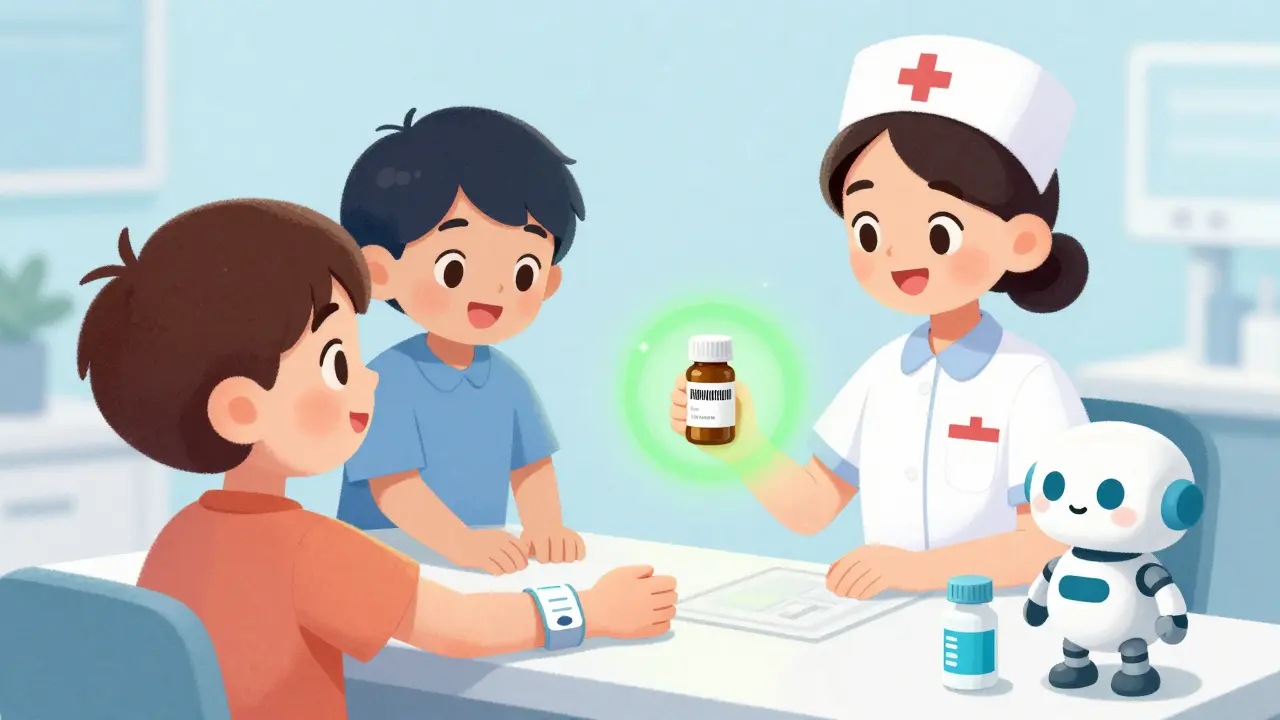
Technology is transforming medication safety. Electronic health records (EHRs) now include alerts for dangerous drug interactions. For example, if a doctor prescribes a blood thinner with another medication that increases bleeding risk, the system flags it. Barcode-assisted medication administration (BCMA) requires nurses to scan both the patient's wristband and the medication before giving it. This has cut administration errors by 65% in hospitals. The FDA recently mandated standardized numeric dosing on all prescription labels. In pilot programs, this reduced decimal point errors by 32%.
Artificial intelligence is also stepping in. Some hospitals now use AI to analyze EHR data and predict potential errors before they happen. Pilots show 40% fewer potential adverse drug events. Blockchain technology is being tested to verify medication supply chains, reducing counterfeit drugs by 65% in European trials. While technology isn't perfect-too many alerts can cause "alert fatigue"-it's a powerful tool when used correctly.
Current Initiatives and Future Trends
Global efforts are making progress. The WHO's "Medication Without Harm" campaign aims for a 50% reduction in severe medication-related harm by 2027. Participating countries saw an 18% average reduction in the first year. In the U.S., the CDC invested $15 million in the "Medication Safety Community Partnership" to help high-risk groups like seniors and children. The FDA's push for clearer labeling is part of this effort.
Looking ahead, telehealth medication errors are rising. The Patient Safety Network reports a 300% increase in telehealth-related errors between 2022 and 2023. As more care happens remotely, clear communication about dosing and instructions becomes even more critical. Personalized medicine also presents new challenges. Tailored drug regimens increase polypharmacy risks by 25%, meaning patients take more medications at once. This requires extra vigilance to avoid interactions.
Conclusion
Medication safety isn't just a hospital policy-it's a shared responsibility between patients, doctors, pharmacists, and healthcare systems. Every step matters, from the moment a drug is prescribed to when it's taken at home. With the right tools and awareness, we can prevent most medication-related harm. Start today: keep a medication list, ask questions, and stay informed. Your health depends on it.
What are the most common medication errors?
The most common errors include wrong dosage (68% of patient-reported incidents), wrong medication due to similar packaging (22%), and drug interactions not caught during prescribing (10%). Prescribing errors account for 38% of all medication errors, administration errors for 26%, and dispensing errors for 16%.
How can patients help prevent medication errors?
Patients can keep an updated medication list, ask questions about new prescriptions, check labels carefully, use proper measuring tools for liquid medications, and never change doses without consulting their doctor. The CDC's "Keep a List" campaign shows patients who maintain medication lists reduce reconciliation errors by 45% during hospital transitions.
What are high-alert medications?
High-alert medications carry extra risks because mistakes can cause serious harm. Examples include insulin (involved in 17% of serious errors), opioids (14%), blood thinners (12%), and intravenous oxytocin used in childbirth. These drugs require extra checks and clear communication between healthcare providers and patients.
How do electronic health records improve medication safety?
Electronic health records (EHRs) with clinical decision support systems reduce serious medication errors by 48%. They alert doctors to dangerous drug interactions, incorrect dosages, or allergies. For example, if a prescription conflicts with a patient's current medications, the system flags it immediately. This helps catch errors before they reach the patient.
What is the WHO Medication Without Harm initiative?
The WHO's "Medication Without Harm" campaign is a global effort to reduce severe medication-related harm by 50% by 2027. Participating countries report an average 18% reduction in harm during the first year. It focuses on improving medication safety through better labeling, training, technology, and patient engagement across healthcare systems worldwide.
Medication safety is overblown. The real issue is patients not following instructions. 😡
Medication safety is a critical issue that affects everyone. It's not just about hospitals; it's about every single person who takes medicine. From the moment a doctor prescribes a drug to when you take it at home, there are multiple points where things can go wrong. But the good news is that with awareness and proper steps, we can prevent most of these errors. For example, keeping a detailed list of all your medications, including dosages and why you take them, can prevent mix-ups. When you're prescribed something new, always ask questions: what is this for? What are the side effects? How should I take it? Checking labels carefully is another simple step-many errors happen because people don't read the instructions properly. Using proper measuring tools for liquids instead of household spoons can prevent dangerous overdoses. For older adults, it's especially important to talk to your doctor about costs; skipping doses due to affordability is a common issue. The CDC's 'Keep a List' campaign has shown that patients who maintain medication lists reduce errors by 45% during hospital transitions. Technology like electronic health records and barcode scanning systems have also proven effective in reducing errors. For instance, hospitals using BCMA have cut administration errors by 65%. It's also important to be aware of high-alert medications like insulin, opioids, and blood thinners, which require extra caution. Even small mistakes with these drugs can lead to serious harm. Finally, remember that you're not alone in this; pharmacists, doctors, and nurses are there to help. Stay informed, ask questions, and take an active role in your own safety. Your health is worth it.
Big Pharma is behind all this they want you to think it's safe so they can keep selling dangerous drugs the system is rigged they don't care about patients just profit 17% of serious errors from insulin that's because they push it too hard no oversight just greed the FDA is in bed with them the Joint Commission data is cherry-picked to hide the truth every time they say 'medication safety' it's a lie to cover up their negligence the real problem is the profit motive in healthcare they don't care about you only about the bottom line the government is complicit they're paid off by the drug companies the system is broken and it's all intentional they want you to be sick so they can sell more drugs
The healthcare system is fundamentally broken no amount of safety measures will address systemic issues patients are left to fend for themselves such discussions are performative
Verify your medications before taking them.
Great points! I always keep my meds list updated and check with my pharmacist. It's a small step but makes a huge difference.
Oh sure, because the healthcare system is perfect. *rolls eyes* But hey, if you squint really hard, maybe it works. Just kidding-this article actually has some good points. Let's all pretend we're safe.
Yeah but seriously taking meds safely is crucial. In my culture we always doublecheck with the pharmacist. Misspellingz happen so reading labels carefully is a must.