
MAOI & Dextromethorphan Safety Checker
Medication Interaction Assessment
Use this tool to check for potential risks between your current medications and over-the-counter cough suppressants.
Note: This tool is for educational purposes only and does not constitute medical advice. Always consult your doctor or pharmacist before combining medications.
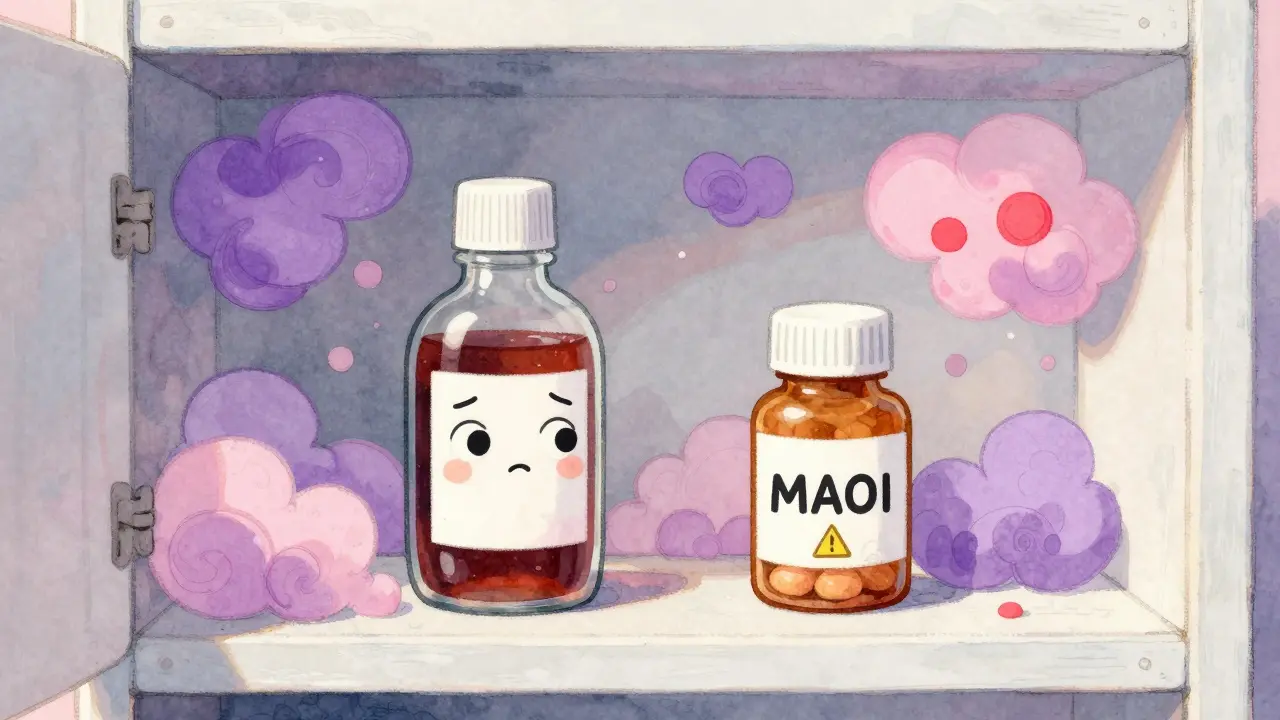
You reach for a bottle of Delsym or Robitussin to silence that nagging cough. It’s an over-the-counter staple in almost every medicine cabinet. But if you are taking certain antidepressants known as MAOIs (monoamine oxidase inhibitors), that simple act could trigger a medical emergency. This isn’t just a minor side effect warning; it is a potentially life-threatening interaction involving serotonin syndrome.
The combination of dextromethorphan-the active ingredient in most cough suppressants-and MAOIs creates a perfect storm in your central nervous system. Both substances increase levels of serotonin, a neurotransmitter that regulates mood, sleep, and appetite. When they meet, serotonin levels can spike dangerously high. According to data from the Therapeutic Goods Administration of Australia, this combination requires patients to avoid dextromethorphan completely while taking MAOIs and for at least two weeks after stopping them.
Why This Combination Is So Dangerous
To understand the risk, we need to look at how these drugs work inside your body. Monoamine oxidase inhibitors, such as phenelzine (Nardil), tranylcypromine (Parnate), rasagiline (Azilect), and selegiline (Zelapar, Emsam), were developed in the 1950s. They work by blocking the enzyme monoamine oxidase, which normally breaks down neurotransmitters like serotonin, norepinephrine, and dopamine. By inhibiting this breakdown, MAOIs keep these chemicals available in your brain longer, helping to alleviate depression.
Dextromethorphan, approved by the FDA in 1958, works differently but overlaps in a critical way. It acts as a sigma-1 receptor agonist and, crucially, as a weak serotonin reuptake inhibitor. Normally, your body metabolizes dextromethorphan using the cytochrome P450 enzyme system, specifically the CYP2D6 pathway. However, MAOIs can interfere with this metabolic process. Clinical pharmacokinetic studies show that this interference can lead to a 300-400% increase in dextromethorphan plasma concentrations. You are essentially flooding your system with more drug than intended, while simultaneously preventing your body from clearing serotonin effectively.
| Drug Class | Primary Action | Effect on Serotonin | Key Risk when Combined |
|---|---|---|---|
| MAOIs | Inhibits breakdown of neurotransmitters | Increases availability by preventing degradation | Accumulation of serotonin in synaptic cleft |
| Dextromethorphan | Sigma-1 agonist & weak SRI | Increases release and blocks reuptake | Rapid spike in serotonin levels |
| Combined Effect | Pharmacokinetic & Pharmacodynamic interaction | Excessive accumulation | Serotonin Syndrome |
Recognizing the Signs of Serotonin Syndrome
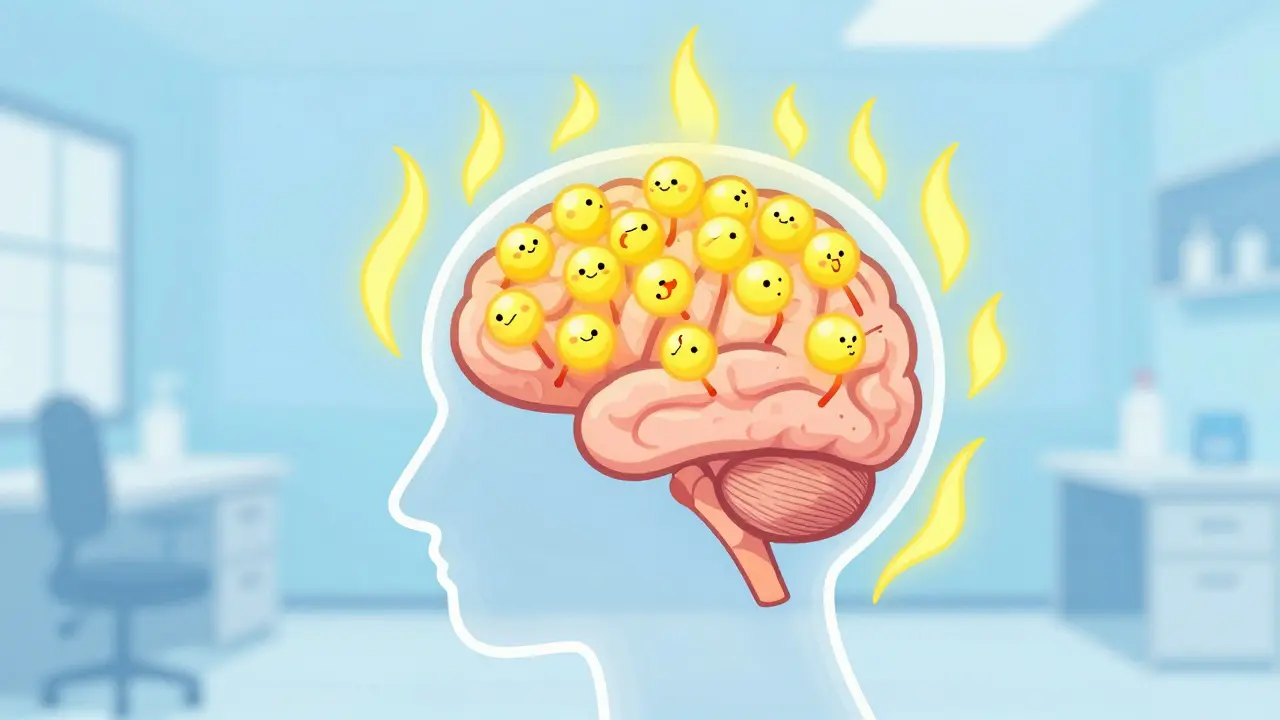
When too much serotonin builds up, it disrupts normal brain function. This condition is called serotonin syndrome. It is not a mild inconvenience; it is a medical crisis. Symptoms can appear within 6 to 24 hours of taking the interacting medications. In severe cases, mortality rates range from 2% to 12%, according to a 2022 review published in PMC journal (PMC9680847).
You need to watch for three main categories of symptoms:
- Mental Status Changes: Agitation, confusion, anxiety, or even hallucinations. Patients have reported extreme confusion and an inability to speak clearly within hours of ingestion.
- Autonomic Instability: High fever (hyperpyrexia), rapid heart rate, sweating, dilated pupils, and unstable blood pressure. One user report from a medical forum described a fever of 104°F requiring emergency department treatment.
- Neuromuscular Issues: Muscle rigidity, tremors, twitching, loss of coordination, and hyperreflexia (overactive reflexes).
Dr. David Juurlink, head of clinical pharmacology at Toronto's Sunnybrook Health Sciences Centre, notes that cerebral hemorrhages and severe headaches are potential outcomes of this interaction. If you experience these symptoms after taking a cough suppressant while on MAOIs, seek immediate medical attention. Supportive care alone is often insufficient; specific treatments may be required to lower serotonin levels rapidly.
The Two-Week Rule: Timing Matters
A common misconception is that you only need to worry about the interaction while you are actively taking the MAOI. This is incorrect. MAOIs bind irreversibly to the enzyme they inhibit. Your body needs time to produce new enzymes to return to normal function. This regeneration process takes approximately 14 days.
Medical guidelines are strict on this point. You must wait at least two weeks after your last dose of an MAOI before taking any product containing dextromethorphan. Conversely, if you stop taking dextromethorphan-containing products, you should also ensure a washout period before starting an MAOI, though the primary danger lies in adding the cough suppressant to an existing MAOI regimen. The MyActiveHealth medication guide explicitly states: "Do not use this medicine if you have taken an MAO inhibitor in the past 14 days."
Silent Culprits: Hidden Dextromethorphan
The biggest risk often comes from ignorance, not malice. Many people do not realize their multi-symptom cold medicines contain dextromethorphan. Products labeled as "Cold," "Flu," "Nighttime," or "Severe" often combine dextromethorphan with other ingredients like acetaminophen or antihistamines. A 2019 survey found that 78% of patients were unaware that common OTC cough medicines contained this specific ingredient.
Always check the "Active Ingredients" box on the label. Look for "Dextromethorphan HBr" or simply "Dextromethorphan." If it is listed there, do not take it if you are on an MAOI or have been within the last two weeks. The FDA Adverse Event Reporting System (FAERS) shows 237 reported cases of serotonin syndrome potentially linked to this combination between 2010 and 2022, with 42% requiring hospitalization. Most of these cases involved accidental co-administration due to mislabeled or misunderstood products.
Safe Alternatives for Cough Relief
If you have a cough and are taking MAOIs, you are not without options. You just need to choose carefully. Here are safer alternatives that do not carry the same serotonin risk:
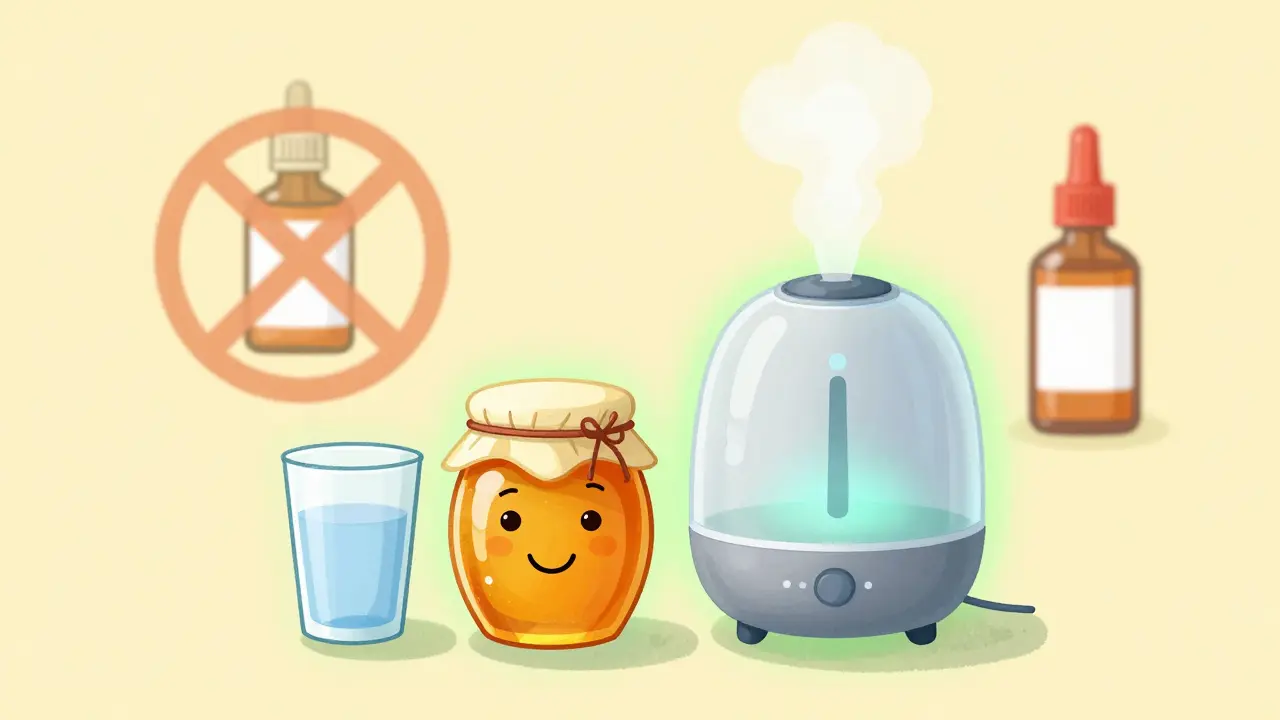
- Guaifenesin: This is an expectorant that helps thin mucus, making it easier to cough up. It does not affect serotonin levels. Ensure you buy a product that contains only guaifenesin and no added dextromethorphan.
- Honey: Studies suggest honey can be as effective as some cough syrups for soothing throat irritation. However, exercise caution: some fermented honey products may contain tyramine precursors, which can interact with MAOIs. Stick to standard, non-fermented honey in moderation.
- Hydration and Humidifiers: Drinking plenty of water and using a cool-mist humidifier can soothe irritated airways without introducing any chemical risks.
- Benzonatate: This is a prescription cough suppressant that works by numbing the stretch receptors in your lungs and chest. It does not affect serotonin reuptake and is generally considered safe for patients on MAOIs, but always consult your doctor first.
What Healthcare Providers Are Doing
The medical community recognizes this as a critical safety gap. Only 43% of patients starting MAOI therapy receive adequate counseling about over-the-counter medication risks, according to the National Alliance on Mental Illness. To combat this, pharmacists play a vital role. A 2021 study showed that pharmacist counseling reduced accidental combinations by 67%. When you pick up your MAOI prescription, ask your pharmacist specifically about OTC interactions. They can provide a printed list of brands to avoid.
Regulatory bodies are also stepping up. The FDA proposed in 2022 to require larger, more prominent warnings on all dextromethorphan-containing products. Additionally, the European Medicines Agency recommended in 2023 that all MAOI prescriptions include a patient guide listing specific brand names to avoid. As MAOI use increases for treatment-resistant depression-up 22% since 2020-these educational efforts become increasingly important.
Frequently Asked Questions
Can I take Robitussin DM if I am on Nardil?
No. Robitussin DM contains dextromethorphan. Combining it with Nardil (phenelzine), an MAOI, can cause serotonin syndrome, a potentially fatal condition. You must avoid all products with dextromethorphan while taking Nardil and for two weeks after stopping it.
How long do I have to wait after stopping MAOIs to take cough syrup?
You must wait at least 14 days (two weeks) after your last dose of an MAOI before taking any medication containing dextromethorphan. This allows your body to regenerate the monoamine oxidase enzymes necessary to break down serotonin safely.
Are all cough medicines dangerous for MAOI users?
No. Only those containing dextromethorphan are strictly contraindicated. Expectorants like guaifenesin (without dextromethorphan) are generally safe. Always read the active ingredients label carefully to ensure dextromethorphan is not present.
What are the first signs of serotonin syndrome?
Early signs include agitation, confusion, rapid heart rate, dilated pupils, muscle twitching, and heavy sweating. Symptoms can develop within 6 to 24 hours of taking the interacting drugs. Seek emergency care immediately if these occur.
Does this interaction apply to newer MAOIs like Azilect?
Yes. While some newer reversible MAOIs like moclobemide may have a lower risk profile, traditional irreversible MAOIs like rasagiline (Azilect) and selegiline (Emsam) still pose a significant risk. Medical consensus advises avoiding dextromethorphan with all MAOIs unless explicitly cleared by a specialist.