
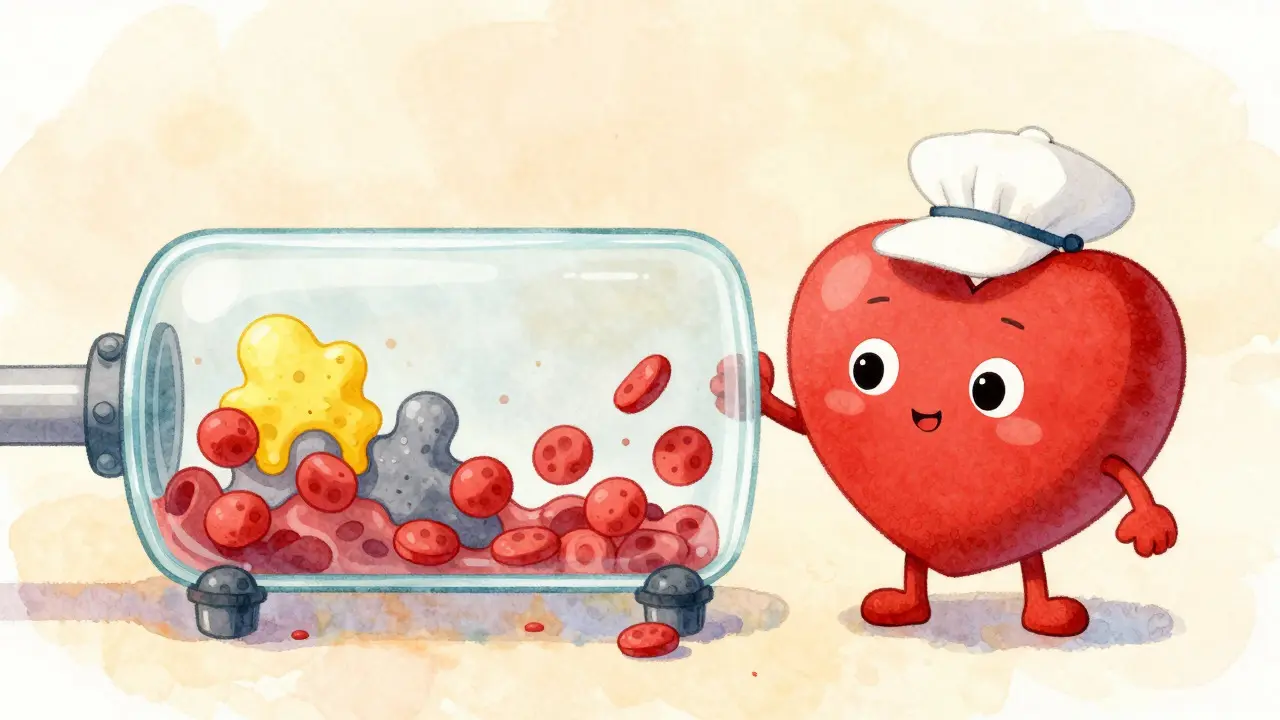
Your heart is a muscle that works nonstop. But what happens when the pipes it pumps through get clogged, stiff, or blocked? That’s Cardiovascular Disease, or CVD. It isn’t just one illness; it’s a group of conditions affecting your heart and blood vessels. From coronary artery disease to strokes and peripheral artery issues, these problems share common roots but strike differently.
In the United States alone, CVD remains the leading cause of death. Roughly 800,000 Americans lose their lives to heart disease every year. That number is staggering. Yet, much of this burden is preventable. Understanding how these diseases develop, who is at risk, and what modern medicine offers can change the trajectory of your health.
What Exactly Is Cardiovascular Disease?
Think of your circulatory system as a vast network of highways. The heart is the engine, and arteries are the roads. When plaque builds up on the road surfaces-a process called atherosclerosis-traffic slows down or stops completely. This blockage leads to different types of cardiovascular events depending on where it occurs.
- Coronary Artery Disease (CAD): Plaque narrows the arteries supplying the heart muscle. If a clot forms and blocks flow entirely, you get a heart attack.
- Cerebrovascular Disease: Blockages or ruptures in brain arteries cause strokes. About 795,000 Americans suffer a stroke annually.
- Peripheral Artery Disease (PAD): Narrowed vessels in the legs cause pain while walking and increase infection risks.
- Heart Failure: The heart muscle weakens over time, unable to pump enough blood to meet the body’s needs. Currently, 6.2 million Americans live with this condition.
These aren’t isolated incidents. They often stem from the same underlying damage to the endothelium-the delicate lining inside your blood vessels. Once that lining is injured by high blood pressure, smoking, or high sugar levels, inflammation starts. Cholesterol particles slip into the wall, triggering an immune response that creates hard plaques.
The Silent Risks: Who Is Most Vulnerable?
You might feel fine today, but risk factors are quietly working against you. High blood pressure affects 116 million U.S. adults. Elevated LDL cholesterol (>100 mg/dL) impacts 71 million more. Add in diabetes, which affects 11.3% of adults, and obesity, present in nearly 42% of the population, and you have a perfect storm for vascular damage.
Smoking still claims its toll, affecting 11.5% of adults. But here’s the kicker: genetics play a role too. However, lifestyle choices outweigh genes in many cases. Zip codes matter more than DNA when predicting outcomes. For example, Black Americans face CVD mortality rates 30% higher than White Americans, largely due to systemic disparities in healthcare access and environmental stressors.
Mental health also ties directly into physical health. Depression increases your chance of developing CVD by 30%. Conversely, having CVD makes you three to four times more likely to become depressed. It’s a vicious cycle that doctors are only beginning to address holistically.

How Doctors Diagnose and Assess Risk Today
Gone are the days when we waited for symptoms to appear. Modern cardiology focuses heavily on prediction. One major tool is the Coronary Artery Calcium (CAC) scan. This CT test measures calcium deposits in your heart arteries. A score of zero means low near-term risk. Higher scores indicate significant plaque buildup.
Guidelines updated in 2023 and 2025 recommend using CAC scans for people aged 40-75 who fall into intermediate-risk categories based on traditional calculators like the Pooled Cohort Equations. Newer AI-driven tools, such as the PCE-AI calculator endorsed by recent ACC/AHA guidelines, improve accuracy by analyzing complex data patterns beyond age and cholesterol alone.
| Method | Best For | Limitations |
|---|---|---|
| Traditional Risk Calculators | Initial screening for average-risk patients | May underestimate risk in diabetics or those with family history |
| Coronary Artery Calcium Scan | Intermediate-risk adults needing clearer answers | Exposes patient to radiation; doesn't detect soft plaque |
| Blood Biomarkers (e.g., hs-CRP) | Assessing inflammatory activity | Can be elevated temporarily due to infections or injuries |
Treatment Strategies: Beyond Just Lowering Cholesterol
We used to treat each problem separately. Now, experts agree: siloed care fails. You need integrated management. If you have type 2 diabetes, for instance, controlling glucose isn’t enough. You must aggressively manage blood pressure and lipids simultaneously.
New medications have revolutionized treatment. SGLT2 inhibitors (like empagliflozin) and GLP-1 receptor agonists (such as semaglutide) do more than lower blood sugar. They protect the heart and kidneys. In fact, the American Diabetes Association now recommends these drugs for anyone with established ASCVD, regardless of their current A1C level.
Statins remain foundational. Despite patent expirations, they generated $18.7 billion globally in 2023 because nothing else matches their proven ability to reduce cardiovascular events. For very high-risk patients, target LDL levels are dropping fast-from below 70 mg/dL to under 55 mg/dL according to newer ADA standards.
Lifestyle changes complement meds perfectly. The HEARTS technical package promoted by the CDC includes hypertension control, healthy diets, tobacco cessation, and team-based care. Countries implementing this framework saw 15-25% drops in CVD deaths within years.

Prevention Starts Before Symptoms Appear
Preventing CVD requires action long before chest pain hits. Start early. Children can develop fatty streaks in arteries if exposed to poor diet and sedentary habits. Adults should aim for:
- Blood pressure under 130/80 mmHg
- LDL cholesterol tailored to individual risk profiles
- Regular aerobic exercise-at least 150 minutes per week
- A diet rich in vegetables, fruits, whole grains, and lean proteins
- Complete avoidance of tobacco products
Workplace programs work surprisingly well. Johnson & Johnson reported a 26% reduction in employee CVD risk after ten years of comprehensive health initiatives. Community linkages, like connecting patients with nutrition counseling via primary care providers, boost adherence significantly.
Don’t ignore mental wellness. Screening for depression during cardiac checkups improves medication compliance by over 20%, according to German pilot studies. Treating anxiety and stress reduces cortisol levels, which otherwise contribute to vascular inflammation.
Looking Ahead: What’s Next in Cardiac Care?
The future looks promising yet challenging. Artificial intelligence will refine risk predictions further. Personalized medicine may allow us to tailor statin doses or choose between SGLT2 inhibitors based on genetic markers. Wearable devices could detect arrhythmias or early signs of heart failure remotely.
However, rising obesity poses a serious threat. By 2030, half of all U.S. adults may be obese. Without intervention, global CVD mortality could jump 65% by 2030. Initiatives like Million Hearts aim to reverse this trend through widespread adoption of evidence-based practices.
Costs continue climbing. In 2023, CVD cost the U.S. economy $444.2 billion. Direct medical bills accounted for most, but lost productivity added another $175.9 billion. Investing in prevention pays dividends-not just financially, but in quality of life.
Is cardiovascular disease hereditary?
Yes, family history plays a significant role. Having close relatives with early-onset heart attacks or strokes increases your personal risk. However, lifestyle factors often override genetic predisposition. Even with strong familial ties, maintaining healthy weight, exercising regularly, and avoiding smoking dramatically lowers chances of developing CVD.
Can I reverse existing arterial plaque?
While you cannot completely erase hardened calcified plaque, aggressive lipid-lowering therapy combined with intensive lifestyle modifications can stabilize existing deposits and sometimes shrink softer, vulnerable plaques. Studies show that reducing LDL cholesterol substantially decreases inflammation around plaques, making them less likely to rupture and cause clots.
Why are SGLT2 inhibitors prescribed for heart conditions?
Originally developed for diabetes, SGLT2 inhibitors were found to offer unexpected benefits for heart failure and kidney protection. They help remove excess glucose through urine, lowering blood sugar while simultaneously improving energy efficiency in heart cells. Clinical trials demonstrated reduced hospitalizations and slowed progression of chronic kidney disease among users.
How accurate is the new AI-based risk calculator?
The PCE-AI calculator improves predictive accuracy by approximately 12.7% compared to older models. It incorporates additional variables including socioeconomic status, neighborhood environment, and detailed lab results. This enhanced precision helps clinicians identify high-risk individuals earlier, allowing timely interventions before catastrophic events occur.
Should everyone get a coronary calcium scan?
Not necessarily. Guidelines suggest CAC scanning primarily for asymptomatic adults aged 40-75 whose estimated 10-year ASCVD risk falls between 7.5% and 20%. People with known heart disease or extremely low/high risks usually don’t benefit from routine scanning. Discuss potential value versus radiation exposure with your doctor first.