
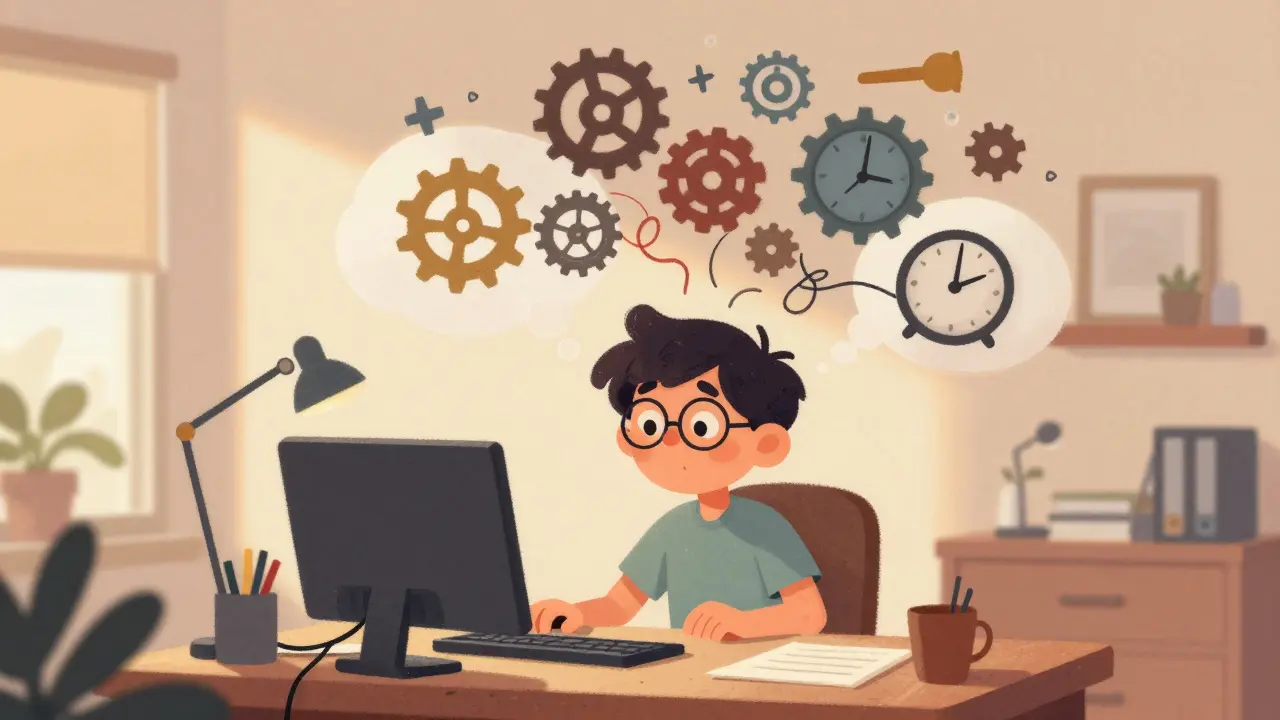
Getting an ADHD diagnosis as an adult often feels like a double-edged sword. On one side, you finally have an explanation for why your brain seems to run on a different operating system than everyone else’s. On the other, you’re faced with a mountain of advice that ranges from “just use a planner” to complex medication regimens that sound more like chemistry experiments than healthcare.
The reality is that managing Attention-Deficit/Hyperactivity Disorder (ADHD) in adulthood isn’t about fixing yourself; it’s about building a support structure that works with your neurology, not against it. Whether you are navigating workplace demands, relationship dynamics, or daily chores, the goal is functional improvement. Research shows that properly treated adults experience a 30-50% reduction in symptom severity, but achieving that requires a multimodal approach combining organizational systems, professional coaching, and safe medication management.
Understanding Adult ADHD: More Than Just Distraction
Adult ADHD is a neurodevelopmental condition characterized by persistent patterns of inattention, hyperactivity, and impulsivity. While many people associate ADHD with bouncing off walls in elementary school, the presentation in adults looks quite different. The hyperactivity often internalizes into restlessness, racing thoughts, or an inability to relax. The core struggle lies in executive function deficits, which affect your ability to plan, prioritize, initiate tasks, and regulate emotions.
Approximately 4.4% of U.S. adults-roughly 8.7 million people-meet the diagnostic criteria for ADHD. For years, this was overlooked because adults learned to mask their symptoms through sheer effort or by choosing careers that matched their chaotic energy. However, the cognitive load required to maintain that mask leads to burnout, anxiety, and depression if left unaddressed. Understanding that this is a biological difference in how the brain processes dopamine and norepinephrine is the first step toward effective management.
Building Organizational Systems That Actually Stick
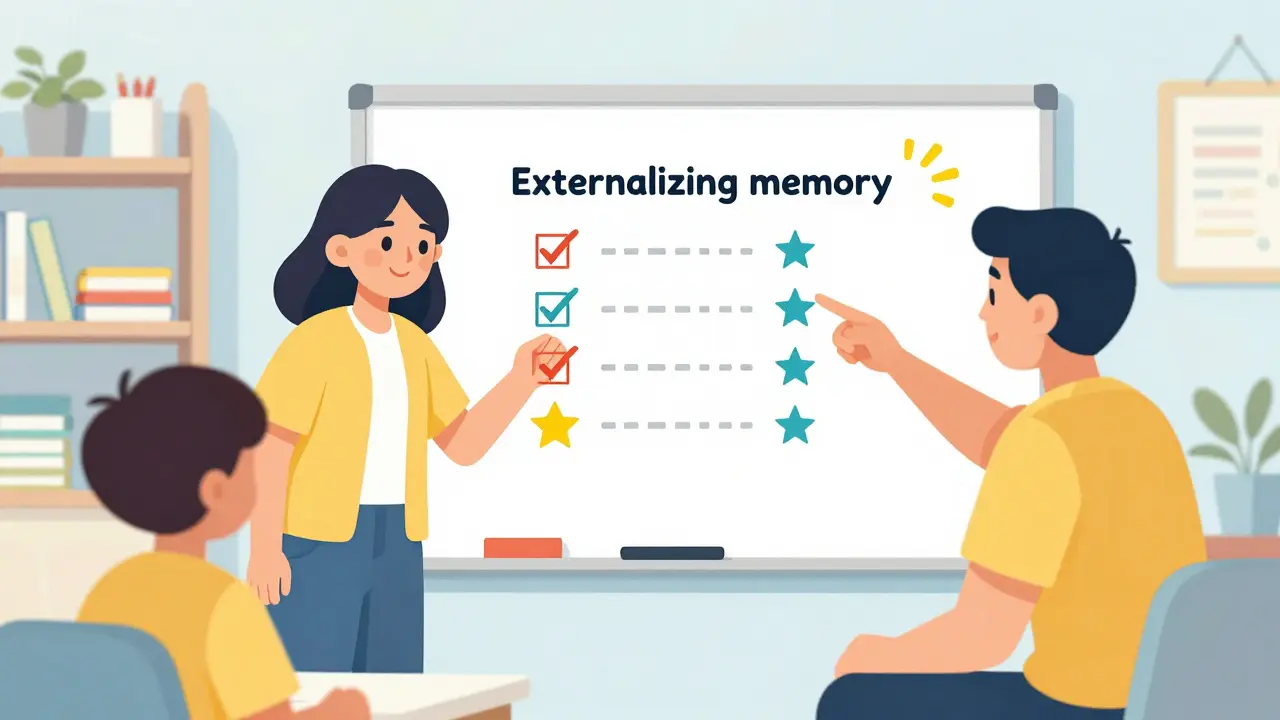
If you’ve tried every planner, app, and sticky note system on the market, you know they usually end up abandoned within two weeks. This isn’t a failure of willpower; it’s a mismatch between the tool and your brain’s needs. Effective organization for ADHD relies on reducing friction and externalizing memory.
Here are three concrete strategies that align with how the ADHD brain functions:
- The "Body Double" Technique: Struggling to start a task? Work alongside someone else. You don’t need them to help you; you just need their presence to anchor your focus. This leverages social accountability to bypass executive dysfunction.
- Visual Externalization: Your working memory is likely crowded. Get everything out of your head and into a visible system. Use whiteboards for daily priorities rather than hidden notebooks. If you can’t see it, it doesn’t exist.
- Time Boxing with Alarms: Time blindness is a hallmark of ADHD. Set alarms not just to remind you of appointments, but to signal transitions. For example, set an alarm 10 minutes before you need to leave the house to trigger the "pack bag" routine.
Many coaches incorporate frameworks like the Eisenhower Matrix to help clients distinguish between urgent and important tasks. The key is consistency over complexity. A simple system used daily beats a perfect system used once a month.
The Role of ADHD Coaching in Daily Life
While therapy addresses emotional health and past trauma, ADHD coaching focuses on present-day functioning and future goals. Coaches act as external prefrontal cortices, helping you break down overwhelming projects into manageable steps and holding you accountable without judgment.
Data from the ADHD Coaches Organization indicates that 81% of clients using medication alongside coaching achieve significant improvements in time management, compared to only 58% with medication alone. This synergy is crucial because medication improves your capacity to focus, but coaching teaches you how to direct that focus effectively.
A good coach will help you identify your specific triggers and build routines that minimize decision fatigue. They might help you restructure your workspace to reduce distractions or negotiate reasonable accommodations at work. Unlike traditional therapy, coaching is action-oriented. It’s less about exploring why you feel a certain way and more about figuring out what you’re going to do about it today.
Navigating Medication Options: Stimulants vs. Non-Stimulants
Medication remains the most effective single intervention for ADHD symptoms, with stimulants accounting for 80% of adult prescriptions. These medications work by increasing the availability of dopamine and norepinephrine in the brain, improving signal-to-noise ratio in neural communication.
| Category | Common Brands/Generic Names | Onset of Action | Duration | Key Considerations |
|---|---|---|---|---|
| Stimulants (Methylphenidate) | Ritalin, Concerta | 30-60 minutes | 8-12 hours (extended-release) | Lower abuse potential than amphetamines; may cause appetite suppression. |
| Stimulants (Amphetamine) | Adderall, Vyvanse | 30-60 minutes | 10-14 hours (Vyvanse) | Vyvanse is a prodrug, making it harder to misuse; higher efficacy rates reported. |
| Non-Stimulants | Strattera (Atomoxetine), Intuniv (Guanfacine) | 1-2 weeks | Continuous (daily dosing) | Better cardiovascular safety profile; useful for those with anxiety comorbidity. |
Stimulants offer faster relief and higher response rates (70-80%), but they come with stricter monitoring requirements. Non-stimulants like atomoxetine take longer to kick in but provide 24-hour coverage and may be preferable for individuals with high anxiety or heart concerns. The choice depends on your lifestyle, medical history, and personal response to trial periods.

Medication Safety: What the Data Really Says
Safety is the top concern for most adults considering medication, particularly regarding cardiovascular health. There is a common fear that stimulants increase the risk of heart disease, but the data tells a nuanced story.
An FDA safety review analyzed over 150,000 current users and found no increased rate of serious cardiovascular events among adults aged 25-64. In fact, some studies suggest a protective effect against accidents and mortality due to improved impulse control. However, long-term use does correlate with a slight increase in blood pressure and heart rate. For adults over 40, or those with pre-existing conditions, baseline ECGs and annual blood pressure monitoring are essential.
Dr. Russell Barkley, a leading expert in the field, notes that the benefits typically outweigh the risks when properly monitored. The key is avoiding self-medication and ensuring regular check-ins with a prescriber who understands adult ADHD. Ignoring side effects like insomnia or elevated resting heart rate can lead to complications, so open communication with your doctor is non-negotiable.
Creating a Sustainable Treatment Plan
There is no one-size-fits-all solution for adult ADHD. The most successful outcomes come from integrating multiple approaches. Medication clears the fog, coaching builds the roadmap, and organizational tools keep you on the path.
Start by seeking a comprehensive evaluation from a specialist familiar with adult presentations. Don’t settle for a quick pill prescription without discussing behavioral strategies. Look for providers who offer integrated care models, which combine medication management with access to coaching or therapy resources. Organizations like CHADD offer local chapters and workshops that can provide community support and practical tips.
Remember that finding the right balance takes time. Most adults achieve stability within 2-3 months, but 30% may require six months or more of titration and adjustment. Be patient with yourself. Track your symptoms using tools like the Adult ADHD Self-Report Scale (ASRS) to provide objective data to your healthcare team. This collaborative approach ensures that your treatment evolves as your life changes.
Is ADHD medication safe for adults over 50?
Yes, but with caution. Recent studies indicate that low-dose medication is well-tolerated in older adults, but cardiovascular monitoring is critical. If you have hypertension or a history of heart disease, consult your cardiologist before starting stimulants. Non-stimulant options may be safer alternatives in these cases.
How do I find a qualified ADHD coach?
Look for coaches certified by recognized organizations like the Professional Association of ADHD Coaches (PAAC) or the International Coach Federation (ICF). Ensure they have specific training in adult ADHD, not just general life coaching. Ask about their experience with your specific challenges, such as workplace productivity or relationship management.
Can I manage ADHD without medication?
Some individuals can manage mild symptoms through rigorous lifestyle changes, coaching, and organizational systems. However, for moderate to severe ADHD, medication is often necessary to unlock the ability to benefit from these other strategies. It’s a spectrum, and many people find a combination of all three approaches most effective.
What are the most common side effects of stimulant medications?
Common side effects include decreased appetite, insomnia, dry mouth, and increased heart rate. These often subside within a few weeks as your body adjusts. If side effects persist or worsen, talk to your doctor about adjusting the dose or switching formulations. Never ignore significant changes in mood or physical health.
How much does ADHD coaching cost?
Costs vary widely depending on location and coach experience. Typically, sessions range from $75 to $150 per hour. Some insurance plans now cover coaching services, especially if prescribed by a physician as part of a treatment plan. Group coaching or online programs may offer more affordable options.
the part about medication safety is spot on but people still ignore the heart stuff
I’ve been using the body double technique for months now and it’s honestly a game changer 🤯. I used to think I just needed more willpower to get through my laundry pile, but sitting next to my partner while they worked on their laptop made me actually start folding clothes within five minutes. It’s wild how much social presence anchors the brain when you’re stuck in executive dysfunction paralysis. I recommend trying it with a friend or even a virtual study stream if you don’t have anyone around. The key is that the other person doesn’t need to help you, they just need to exist nearby so your brain feels accountable. I also started using time boxing with alarms every 25 minutes to force myself to stand up and stretch which helps reset the focus loop. It’s not perfect but it’s better than staring at the wall for three hours feeling guilty about not doing anything productive.
This article is dangerously oversimplified and ignores the severe cardiovascular risks associated with long-term stimulant use in adults over forty. The data cited regarding protective effects against accidents is cherry-picked from small sample sizes that do not account for underlying hypertension issues prevalent in older demographics. Furthermore, suggesting that coaching can replace proper psychiatric evaluation is negligent advice that could lead to misdiagnosis of bipolar disorder or anxiety disorders as mere ADHD symptoms. People should be aware that stimulants are controlled substances with high abuse potential and the 'prodrug' status of Vyvanse does not eliminate the risk of diversion or psychological dependence. We need more rigorous longitudinal studies before casually recommending these pharmaceutical interventions to the general public without emphasizing the potential for tachycardia and increased stroke risk.
lol this whole post is so basic but i guess its true tho :P
i find the concept of externalizing memory to be the most crucial point here because our internal narrative is often too loud to trust for task management. when we rely on working memory we are essentially trying to hold water in our hands and expecting it to stay there indefinitely. by moving tasks onto a whiteboard or a physical list we create an objective reality that exists outside of our fluctuating emotional states. this aligns with stoic principles where one must separate what is within our control from what is not. the act of writing something down forces a moment of reflection and intentionality that bypasses the impulsive nature of the ADHD mind. it transforms a vague worry into a concrete action item which reduces the cognitive load significantly.
You really need to stop blaming yourself for failing to stick to planners because those tools were never designed for neurodivergent brains in the first place. The frustration you feel is valid and it comes from a mismatch between standard productivity advice and your actual neurological wiring. I see so many people beating themselves up for not being able to maintain a complex system when all they really need is visual cues and immediate feedback loops. Please read the section on time blindness again because setting alarms for transitions rather than just appointments is a huge shift in perspective. You are not broken you just need different scaffolding to support your daily life until the habits become automatic.
It is imperative to note that the distinction between therapy and coaching is often misunderstood by patients seeking treatment. Therapy addresses the emotional aftermath of years of masking and rejection sensitivity dysphoria whereas coaching focuses strictly on behavioral modification and structural organization. One cannot simply substitute one for the other as they serve fundamentally different purposes in the therapeutic landscape. A qualified coach will not delve into past trauma but will instead assist in building the present-day infrastructure required for professional and personal success. Patients should seek integrated care models that offer both modalities to ensure comprehensive management of their condition.
The comparison table provided here is quite useful for understanding the onset times of different medications but it lacks information on non-stimulant options like Viloxazine which is newer to the market. I would suggest adding a row for Qelbree since it offers a once-daily dosing option that might appeal to those who struggle with morning routines. Also, the mention of baseline ECGs for adults over 40 is critical and should be emphasized more strongly as many primary care physicians may overlook this step during initial consultations. It is important to monitor blood pressure regularly especially if you have a family history of hypertension or cardiac issues.
I found the section on finding a qualified coach to be particularly helpful as there are so many uncertified individuals claiming to specialize in ADHD without any real training. It is reassuring to know that organizations like PAAC provide standards for competency and ethical practice in this field. I am currently looking for someone who can help me with workplace accommodations and this guidance gives me a clear path forward. Thank you for sharing these resources and reminding us that we do not have to navigate this journey alone.
Does anyone else feel like the 'body double' technique works better with strangers online than friends? 🤔 I tried it with my roommate and he kept distracting me but joining a quiet focus discord server helped me finish my taxes in two hours. It’s interesting how anonymity removes the social pressure while still providing the accountability anchor. Maybe we should explore why virtual presence triggers the same neural pathways as physical proximity. I’d love to hear if others have had similar experiences with digital body doubling versus in-person methods.
The statistical data regarding symptom reduction is encouraging but it is important to remember that individual responses to multimodal treatment vary significantly based on comorbid conditions such as anxiety or depression. Many adults find that addressing these underlying issues is a prerequisite for successfully implementing organizational strategies. The emphasis on patience and tracking symptoms via ASRS scales is a practical approach that empowers patients to take an active role in their healthcare decisions. This collaborative model ensures that treatment plans remain dynamic and responsive to changing life circumstances.