
Imagine coming home to find a loved one who won't wake up. You shake them, shout their name, but there is no response. In those first few minutes, your ability to act can mean the difference between life and death. For families affected by substance use, knowing how to spot an overdose is a critical medical emergency where drug intake exceeds the body's tolerance, leading to life-threatening physiological collapse isn't just helpful-it’s essential. With over 107,000 drug overdose deaths recorded in the U.S. in a single recent year, this knowledge has become a fundamental part of family safety.
You don’t need a medical degree to save a life. You do need clear, actionable information. This guide breaks down exactly how to teach your family members to recognize the warning signs, respond correctly, and administer rescue medication if needed. We’ll move past the fear and focus on practical steps that work.
Understanding the Core Signs of an Opioid Overdose
The most common type of fatal overdose involves opioids, including prescription painkillers, heroin, and illicit fentanyl. Health authorities like the National Institute on Drug Abuse (NIDA) emphasize that you should look for a specific set of symptoms often called the 'Opioid Triad.' If you see these three signs together, assume it is an overdose until proven otherwise.
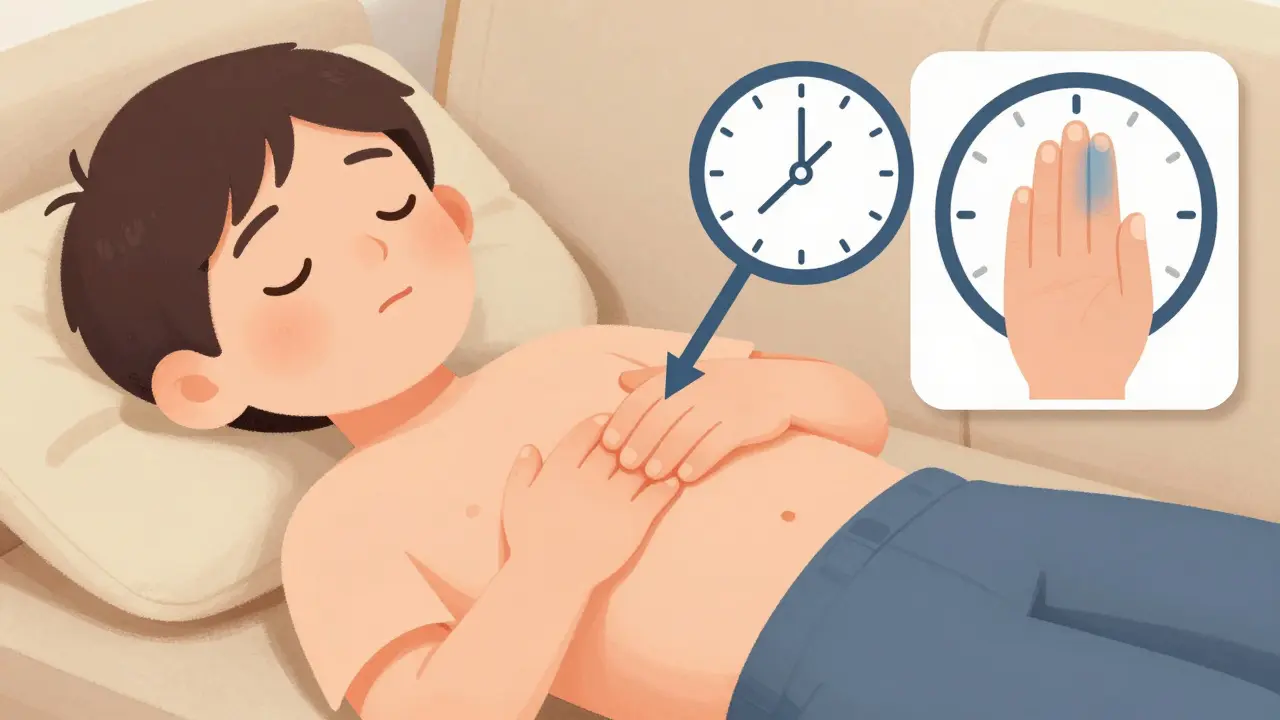
- Unresponsiveness: The person does not wake up when you shout their name or rub your knuckles firmly across their sternum (breastbone). Unlike someone who is simply 'high' or sleeping deeply, an overdosing person will not react to physical stimulation.
- Respiratory Depression: Breathing becomes extremely slow or stops entirely. Look for fewer than one breath every five seconds, or no breathing at all. This is the primary cause of death in opioid overdoses-lack of oxygen to the brain.
- Cyanosis: Lips, fingernails, or skin turn blue or purple due to lack of oxygen. It is crucial to note that skin tone affects visibility here. On lighter skin, discoloration appears bluish-purple. On darker skin tones, look for a grayish or ashen cast around the lips and nail beds.
Beyond the triad, watch for other strong indicators. Many victims have a limp body posture, clammy or pale skin, and may make gurgling sounds, sometimes referred to as the 'death rattle,' which occurs when fluids build up in the throat because they aren't swallowing. Recognizing these signs early allows you to intervene before permanent damage occurs.
Differentiating Between Intoxication and Overdose
One of the biggest hurdles families face is distinguishing between someone who is heavily intoxicated and someone who is overdosing. It is natural to hesitate, fearing you might be overreacting. However, data shows that hesitation costs lives. NIDA research indicates that individuals experiencing an overdose show zero response to sternum rubs, whereas 92% of non-overdose intoxicated individuals will react.
If you are unsure, err on the side of caution. Call emergency services immediately. There is no penalty for calling 911 to check on someone, and many states have Good Samaritan laws that protect callers from certain legal consequences related to drug possession. The goal is to get professional help on site while you provide immediate aid.
Teaching Methods That Actually Work
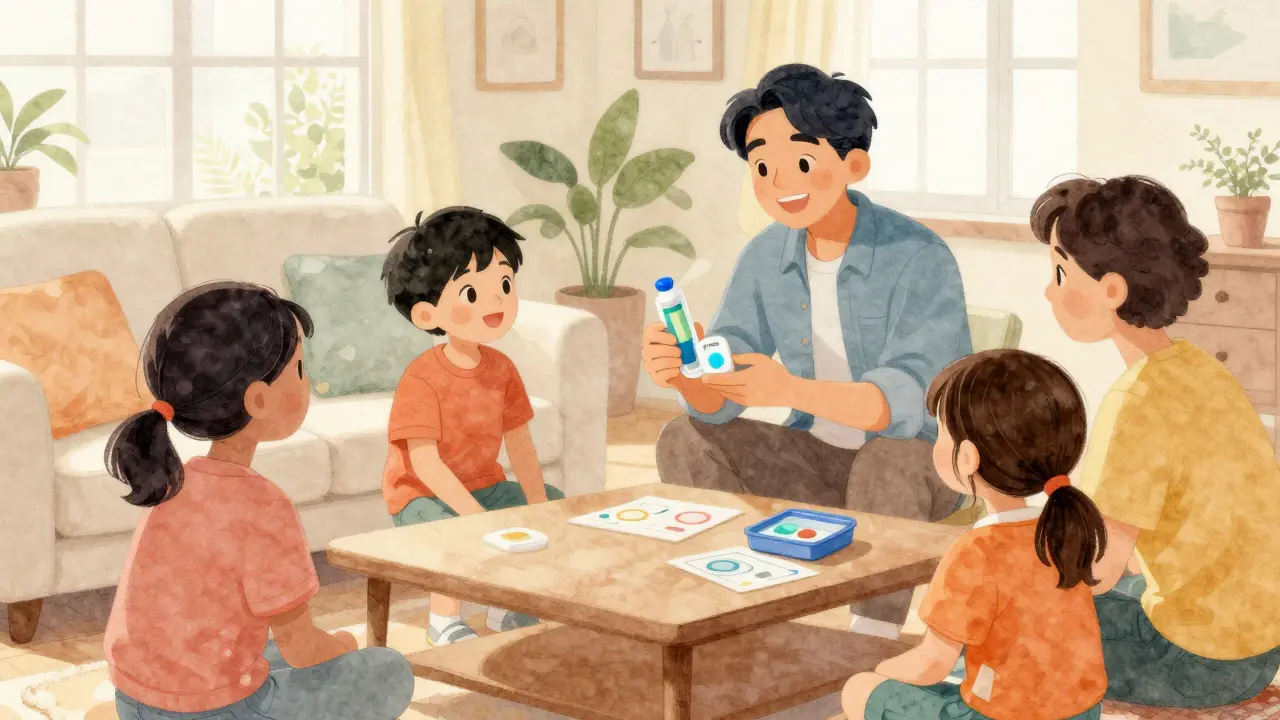
Telling family members what to look for is only half the battle. Studies show that people retain significantly more information when they practice skills rather than just listening to lectures. Dr. Nora Volkow, Director of NIDA, noted that scenario-based practice improves retention by 73%. Here is how to structure effective training at home.
Use Hands-On Simulation
Don't rely on verbal instructions alone. Use training kits that include mock naloxone devices are medication used to rapidly reverse opioid overdoses by blocking opioid receptors in the brain. These kits often come with anatomically correct mannequins or simple props to simulate the experience. Practice the steps repeatedly so they become muscle memory. When stress hits during a real emergency, your hands will know what to do even if your mind feels foggy.
Incorporate Visual Aids for Skin Tone Variations
Misidentification of symptoms is a serious risk, especially regarding color changes in the skin. Use reference guides that show how cyanosis looks on different skin tones. Programs that address these visual differences reduce misidentification errors by over 60%. Make sure everyone in the family understands what to look for specifically on your loved one’s complexion.
Role-Play Scenarios
Create realistic scenarios. Have one family member act out being unresponsive while another practices shouting, rubbing the sternum, checking breathing, and administering naloxone. Discuss how it felt. Address fears openly. Many people worry about 'jinxing' their loved one by talking about overdose, but avoiding the conversation leaves everyone vulnerable. Normalizing the discussion reduces anxiety and increases preparedness.
The Critical Role of Naloxone Administration
Naloxone, commonly known by the brand name Narcan, is the cornerstone of overdose reversal. It works by displacing opioids from brain receptors, instantly restoring normal breathing. According to pharmacy board data, nearly 98% of opioid overdoses can be reversed if naloxone is administered within four minutes of respiratory arrest.
Teach your family these specific steps for administration:
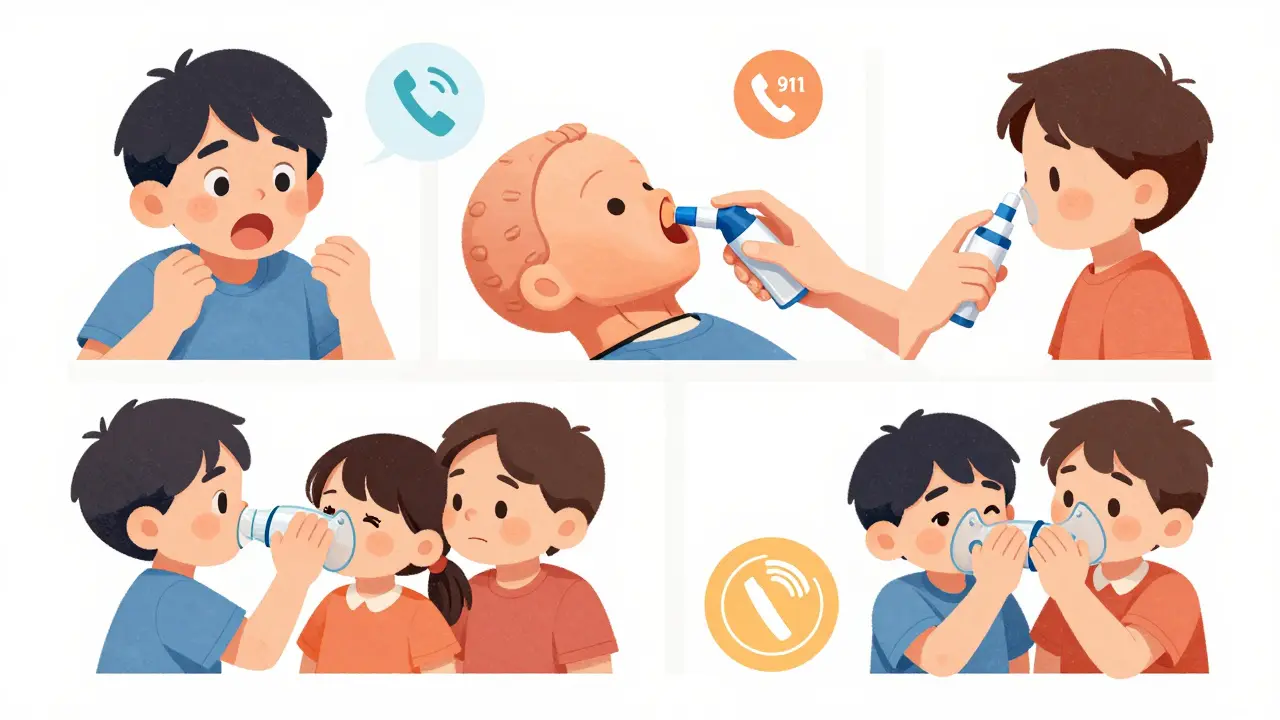
- Check for responsiveness: Shout and rub the sternum. If no response, proceed.
- Call 911: Ensure emergency services are en route. Do not delay this step.
- Administer naloxone: Follow the device instructions. Nasal sprays are generally easier for laypeople to use under pressure. Aim for the center of the nostril.
- Provide rescue breathing: If the person does not start breathing after two minutes, begin rescue breaths (one breath every five seconds) until help arrives or they wake up.
- Repeat if necessary: Due to the potency of fentanyl, a second dose may be needed if there is no improvement after two to three minutes.
Make sure naloxone is accessible. Keep it in a central location, like a kitchen drawer or bathroom cabinet, not locked away. Check expiration dates regularly. Most states now allow families to obtain naloxone without a prescription through standing orders or community pharmacies.
| Symptom Category | Opioid Overdose | Stimulant Overdose (e.g., Methamphetamine, Cocaine) |
|---|---|---|
| Responsiveness | Unresponsive; cannot be awakened | May be agitated, confused, or paranoid; may lose consciousness later |
| Breathing | Slow, shallow, or stopped (<1 breath/5 sec) | Rapid, irregular, or labored |
| Skin Color/Temperature | Blue/purple lips/nails; cold/clammy skin | Flushed/red skin; hot to touch (hyperthermia >104°F) |
| Pupil Size | Pinpoint pupils (very small) | Dilated pupils (very large) |
| Body Posture | Limp, floppy | Rigid, tense, or convulsing |
| Primary Risk | Respiratory failure | Cardiovascular distress, seizures, hyperthermia |
Addressing Emotional Barriers and Common Fears
Teaching overdose recognition is emotionally charged. A 2023 survey found that 34% of family members initially resisted training because they feared acknowledging the possibility of an overdose would somehow cause it. This is a common psychological defense mechanism. To overcome this, frame the training as general safety preparation, similar to learning CPR or fire drills.
Emphasize that having this knowledge empowers you. It removes the guesswork and panic. Share success stories. For instance, reports from harm reduction organizations highlight cases where family members recognized symptoms early and saved lives using their training. Knowing that others have faced this fear and succeeded can build confidence.
If emotions run high during training sessions, pause. It is okay to take breaks. The goal is competence, not perfection. Revisit the material periodically-every six months or whenever new medications are introduced into the household. Refreshing skills keeps them sharp.
Resources for Continued Learning
You don’t have to do this alone. Numerous reputable organizations offer free or low-cost resources. SAMHSA’s 'Stop Overdose' curriculum is available in multiple languages and provides structured lesson plans. The Overdose Lifeline mobile app offers interactive guides and connects users to local support. Local health departments often host community workshops where you can get certified in overdose response and receive free naloxone kits.
Consider joining online support communities for families dealing with addiction. These spaces provide peer support and practical advice from those who have walked the same path. Remember, preparing for an overdose is an act of love. It ensures that if the worst happens, you are ready to fight for your loved one’s life.
What should I do if my family member doesn't want to participate in overdose training?
It is common for resistance to stem from fear or denial. Approach the conversation calmly, emphasizing that this is about safety for everyone, not just judgment about substance use. Frame it as learning basic first aid. If direct participation is too difficult, ensure at least one trusted adult in the home is fully trained and has access to naloxone. You can also leave informational materials around the house passively.
Can naloxone be used if I'm not sure if opioids are involved?
Yes. Naloxone is safe to administer even if you are unsure. It has no effect on someone who hasn't taken opioids. The risk of giving naloxone is minimal compared to the risk of withholding it during a potential opioid overdose. Always prioritize calling 911 alongside administering naloxone.
How long does naloxone last in the body?
Naloxone typically works for 30 to 90 minutes. Many opioids, especially fentanyl, last longer than naloxone. This means the person could slip back into overdose once the naloxone wears off. Continuous monitoring and rescue breathing are critical until emergency medical services arrive. Be prepared to administer additional doses if breathing slows again.
Are there any legal risks for me if I call 911 for an overdose?
Most states have Good Samaritan laws that protect individuals who seek emergency medical help for an overdose from prosecution for minor drug-related offenses. These laws vary by state, so check your local regulations. However, saving a life is always the priority, and emergency responders are focused on medical care, not law enforcement.
What if the person overdoses on stimulants like meth or cocaine instead of opioids?
Naloxone will not reverse a stimulant overdose. Stimulant overdoses involve different symptoms like high body temperature, agitation, and heart issues. In these cases, focus on keeping the person calm, cooling them down if they are overheated, and preventing injury during seizures. Call 911 immediately, as medical intervention is required to manage cardiovascular stress.
It is fascinating how society has reduced the profound tragedy of addiction to a mere checklist of symptoms and procedural steps, as if love could be distilled into a sterile algorithm of sternum rubs and nasal sprays. The modern mind seeks to control the uncontrollable through rigid adherence to protocols, ignoring the chaotic, messy reality of human suffering that defies such neat categorization. We are told to look for cyanosis, for pinpoint pupils, for the cessation of breath, yet we rarely pause to consider the existential void that precedes these physical manifestations. Is it not ironic that we prepare our families for death with the same enthusiasm we once reserved for holiday gatherings, treating overdose prevention as another item on the domestic to-do list? The article suggests that hesitation costs lives, which is true, but it fails to acknowledge that action without understanding is merely performative safety. We become technicians of grief, skilled in the mechanics of resuscitation but illiterate in the language of despair. This guide is useful, yes, but it is also a testament to our collective failure to address the root causes of why people need saving in the first place.
This is really helpful info!! I think everyone should know this stuff., especially since overdoses are so common now.. It's scary but knowing what to do makes me feel better about helping someone out there..
The distinction between opioid and stimulant overdose symptoms is critical for lay responders. Opioid overdoses present with respiratory depression and pinpoint pupils, whereas stimulant overdoses typically involve hyperthermia, agitation, and dilated pupils. Naloxone is ineffective against stimulants; therefore, accurate identification prevents wasted time and potential harm from unnecessary administration. Ensure naloxone kits are accessible and check expiration dates monthly.
boring lol just get narcan and spray it :)
WAKE UP PEOPLE! You cannot afford to be passive here! If you see someone unresponsive, DO NOT WAIT! Shout! Rub their chest! Call 911! Every second counts and your hesitation kills! Stop making excuses and start acting like adults who care about life!
I appreciate the focus on role-playing scenarios. Practicing these steps reduces panic during actual emergencies. It is important to normalize these conversations within families to ensure everyone feels comfortable intervening.
The dissemination of this information is likely part of a broader agenda to normalize drug use under the guise of harm reduction. By teaching families to administer narcotics antidotes, authorities are implicitly endorsing the continuation of illicit activities rather than enforcing abstinence. The 'Good Samaritan' laws are merely tools to shield perpetrators from legal accountability, thereby undermining the rule of law. One must question why the state prioritizes keeping addicts alive over protecting societal order.
It's all about connection and care at the end of the day. Knowing these signs helps us show up for each other when things get dark. Let's keep the conversation going and support one another.
The epistemological framework presented herein relies heavily on empirical observation of physiological markers, specifically the triad of unresponsiveness, respiratory depression, and cyanosis. However, one must consider the ontological status of the 'overdose' event itself, which exists in a liminal space between medical emergency and social phenomenon. The prescription of naloxone as a panacea ignores the complex dialectic of addiction and recovery.
You people are naive if you think this solves anything. The government wants you dependent on their drugs and their systems. They don't want you dead, they want you controlled. Wake up! This is just another way to keep you docile and obedient while the real predators feast on your freedom.
My uncle died because nobody knew what to do. Now i carry narcan everywhere. People say im crazy but i save lives. Dont judge until its your family on the floor.
While the article provides adequate instruction on the mechanical aspects of overdose response, it fails to address the socio-economic implications of widespread naloxone distribution among the general populace. The assumption that any individual can competently administer rescue medication without prior medical training is fundamentally flawed and potentially dangerous. Furthermore, the reliance on visual cues for cyanosis is problematic given the variability in skin tone and lighting conditions, which may lead to misdiagnosis and subsequent delay in treatment. A more comprehensive approach would involve mandatory certification courses for all household members, ensuring a standardized level of proficiency.
We need to leverage community-based interventions to enhance retention of these critical skills. Utilizing mnemonic devices and repetitive simulation drills can significantly improve cognitive recall under stress. It is imperative that we integrate these protocols into standard family safety routines.
Such pedestrian advice. Truly. One wonders if the authors have ever encountered genuine sophistication in crisis management. The elite understand that discretion and private resources are far more effective than publicized checklists. Do not embarrass yourself by following this amateurish guidance.
This is exactly what happens when you abandon traditional values and let the degenerates run wild. Our ancestors didn't need naloxone, they had discipline. Now we have a nation of junkies relying on government handouts and magic sprays. It's a disgrace to American heritage. We need to lock them up, not teach their families how to enable the behavior. Strong borders, strong laws, no drugs. That's the only solution.