
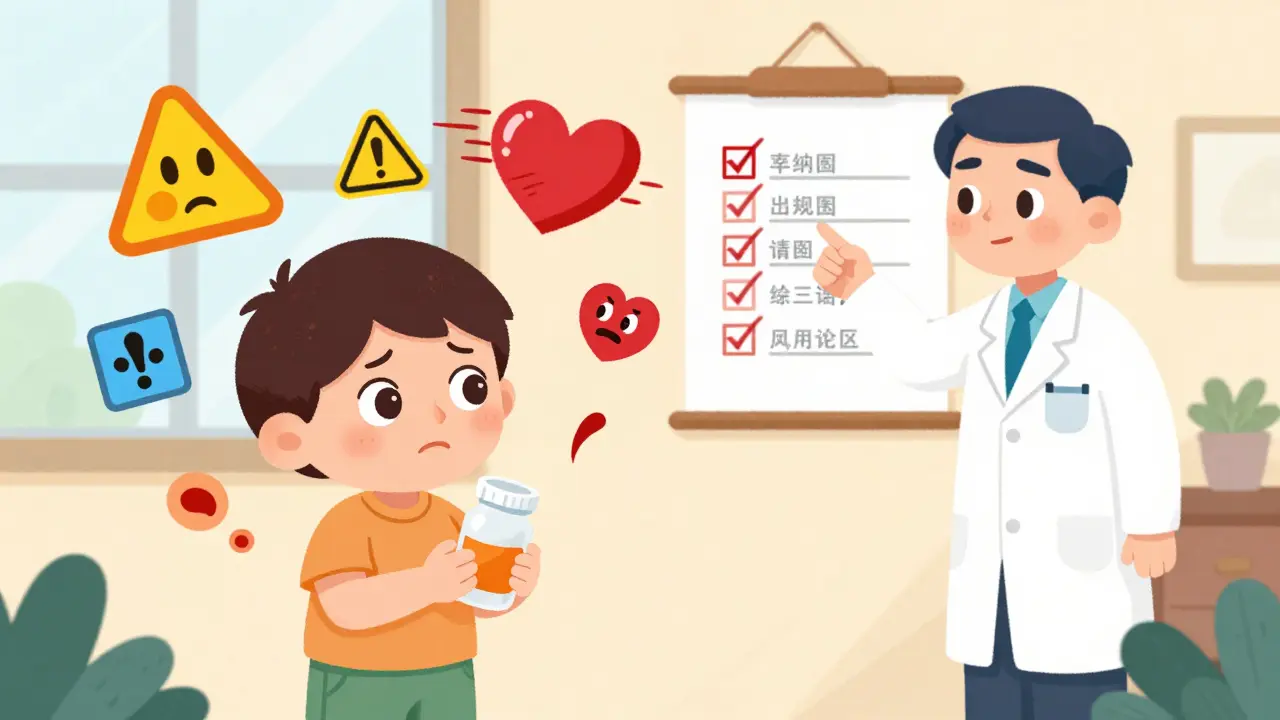
Medication Side Effect Assessment Tool
This tool is for informational purposes only and does not replace professional medical advice. If you experience any life-threatening symptoms, call 911 immediately.
Medications save lives. But they can also hurt you-sometimes without warning. You take a pill because your doctor said so, and suddenly, something feels off. A rash appears. Your chest tightens. You can’t breathe. These aren’t just "side effects"-they’re red flags that could mean your body is reacting dangerously. And if you miss them, the consequences can be deadly.
What Makes a Side Effect Dangerous?
Not all side effects are created equal. Most people experience mild ones: a dry mouth, drowsiness, or an upset stomach. The FDA says about 35% of medication users deal with these every year. They’re annoying, but rarely dangerous. Dangerous side effects are different. They’re rare-happening in about 0.1% of medication courses-but they cause over 6.7% of all hospital admissions in the U.S. These are reactions that can kill you within hours. Think: heart attacks, liver failure, severe allergic reactions, internal bleeding. The FDA defines a serious side effect as one that leads to death, hospitalization, disability, or permanent damage. The real danger isn’t the side effect itself-it’s how fast it shows up and how quickly it worsens. A rash that shows up a week after taking a drug? Maybe not urgent. But if your lips swell up 20 minutes after swallowing a pill? That’s an emergency.Red Flags That Require Immediate Action
Here’s what you need to recognize-and act on-right away:- Difficulty breathing or wheezing-especially if it happens right after taking a new medication. This is often the first sign of anaphylaxis, a life-threatening allergic reaction.
- Swelling of the face, lips, tongue, or throat-even if it’s mild. This can block your airway in minutes.
- Hives or sudden skin rash-especially if it spreads fast or is accompanied by fever or blistering. This could be DRESS syndrome, a rare but deadly reaction that attacks your organs.
- Chest pain or irregular heartbeat-particularly if your heart is racing over 100 beats per minute or feels like it’s skipping. This can lead to cardiac arrest, especially with medications like certain antibiotics or weight-loss drugs.
- Unusual bleeding or bruising-tiny red spots under your skin, nosebleeds, blood in urine or stool. This might mean your blood isn’t clotting properly, a side effect of blood thinners, NSAIDs, or even some antidepressants.
- Severe vomiting or diarrhea with blood-this isn’t just food poisoning. Medications like semaglutide (Ozempic) can trigger pancreatitis, which has a 15-30% death rate if ignored.
- Yellowing of skin or eyes-jaundice. This means your liver is struggling. It’s a red flag for drugs like methotrexate, statins, or even some herbal supplements.
- Extreme drowsiness or confusion-if you can’t stay awake, can’t answer simple questions, or feel like you’re in a fog, this could be central nervous system depression from opioids, benzodiazepines, or sleep aids.
- Little or no urine output-plus swelling in your legs or belly. This signals kidney failure, which can happen silently with NSAIDs, antibiotics, or blood pressure meds.
Dr. Lisa Thompson, Chief Allergist at Mayo Clinic, says: "Any breathing trouble combined with skin changes after taking medicine? Treat it like anaphylaxis until proven otherwise." That means: call 911. Don’t wait. Don’t text your doctor. Don’t Google it. Emergency services are your only safe option.
Delayed Reactions You Can’t Ignore
Some dangerous reactions don’t hit fast. They creep in over days or weeks. That’s why you can’t just check off symptoms from the first hour and call it quits.- High fever, swollen lymph nodes, and a spreading rash-weeks after starting a new drug. This could be serum sickness or DRESS syndrome. Both can damage your liver, kidneys, or lungs.
- Chronic fatigue, pale skin, or shortness of breath-without a clear cause. This might mean drug-induced anemia, where your body stops making enough red blood cells. It’s common with certain antibiotics or anti-seizure meds.
- Unexplained weight gain or swelling-especially if you’re on diabetes, blood pressure, or steroid medications. Fluid retention can mask heart or kidney failure.
- New dizziness or frequent falls-especially in older adults. This isn’t just aging. It’s often a sign that medications are interacting or building up in your system.
Harvard Medical School warns that excessive drowsiness beyond what’s listed on the label-especially with opioids or benzodiazepines-is a silent killer. People think, "I’m just tired," but it’s actually your brain slowing down to the point of stopping breathing.
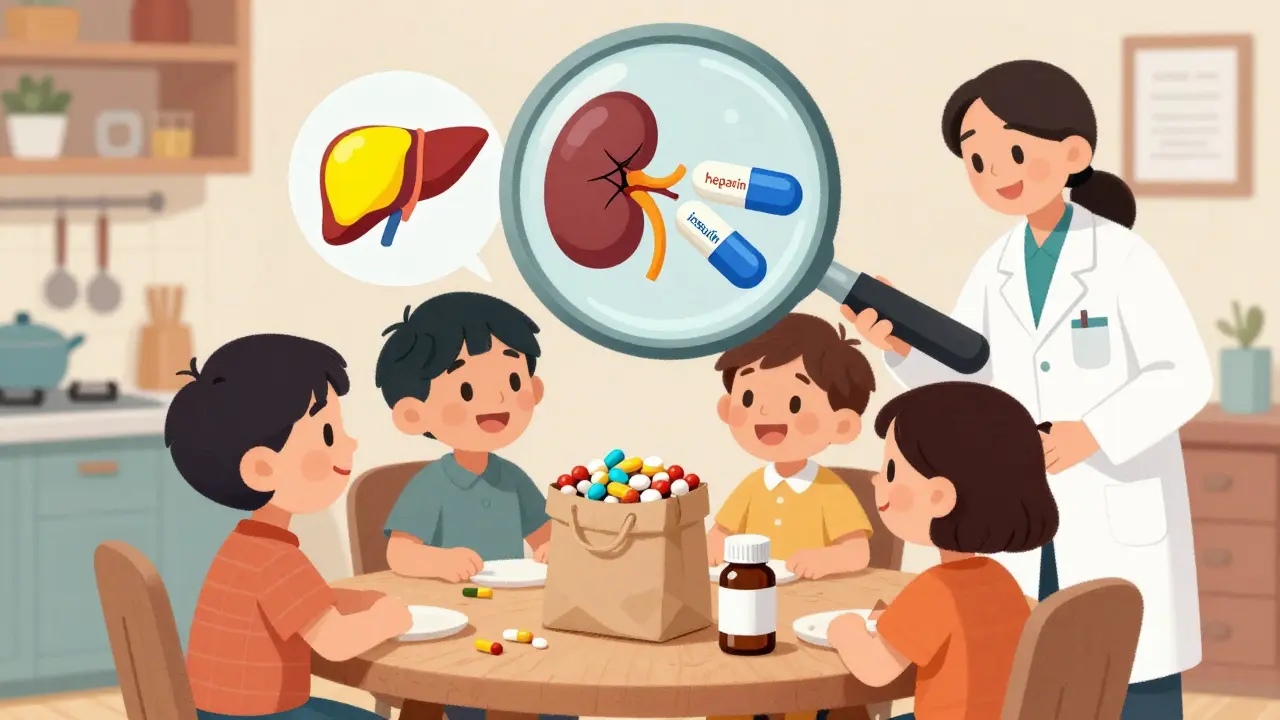
Who’s at Highest Risk?
Some people are more vulnerable. You might be at higher risk if:- You’re 65 or older-your body processes drugs slower, and you’re more likely to be on five or more medications at once.
- You take multiple prescriptions, OTC drugs, or supplements-this is called polypharmacy. It’s common in older adults, and it increases dangerous side effect risk by 300%.
- You have kidney or liver disease-your body can’t clear drugs the way it should.
- You’ve had a bad reaction to a drug before-even if it was years ago.
- You’re taking "look-alike, sound-alike" medications-like heparin and insulin, which are often confused and lead to deadly mistakes.
According to the American Geriatrics Society, older adults experience side effects 2.7 times more often than younger people. And because symptoms are often mistaken for aging, they go untreated-until it’s too late.
What to Do When You Notice Warning Signs
If you have any of the life-threatening symptoms listed above-call 911 immediately. Don’t drive yourself. Don’t wait for your doctor’s office to open. Emergency responders carry epinephrine, oxygen, and the tools to stabilize you. For less urgent but still serious signs-like unusual bleeding, persistent nausea, or jaundice-contact your doctor within 24 hours. Don’t wait until your next appointment. Call now. Ask: "Could this be linked to my medication?" Never stop a medication cold turkey. The FDA warns that quitting certain drugs suddenly-like beta-blockers, antidepressants, or anti-seizure meds-can trigger withdrawal reactions worse than the original condition. Some people have had seizures or heart attacks from stopping meds too fast. Instead, call your prescriber. Say: "I’m having these symptoms. Can we talk about adjusting the dose or switching meds?"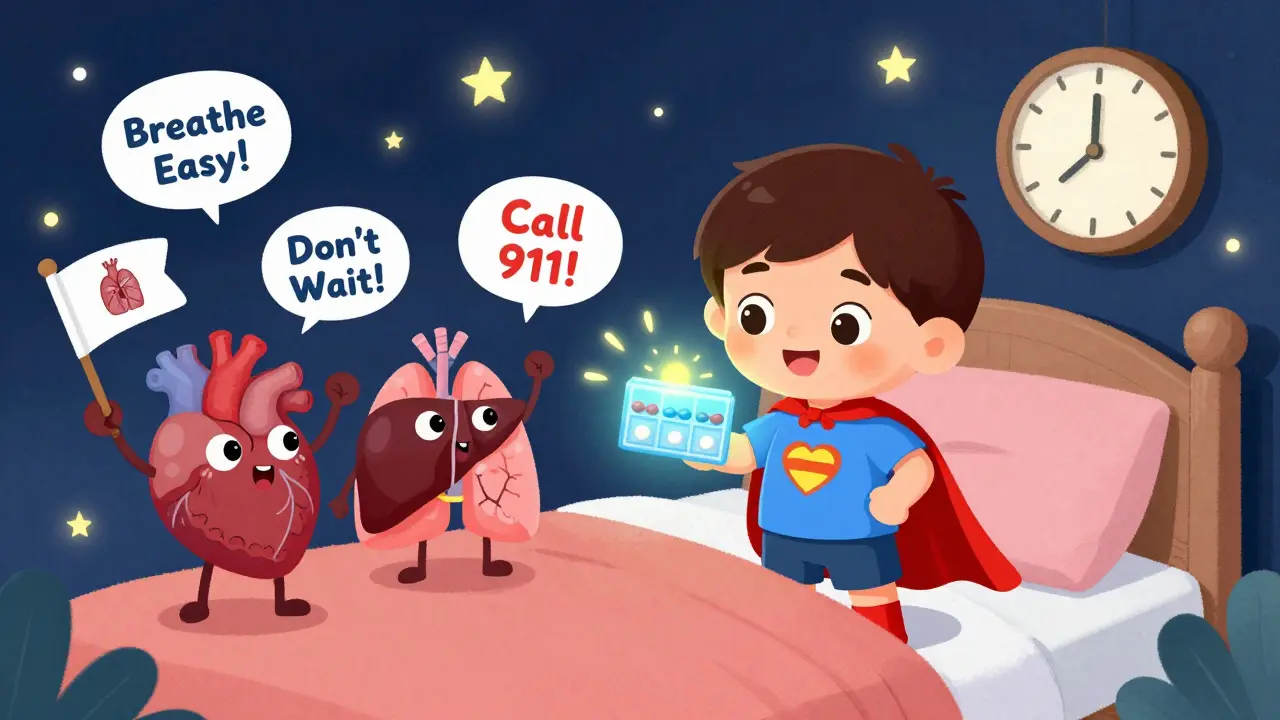
How to Protect Yourself Before You Even Take the Pill
Prevention beats emergency care every time. Here’s how to stay safe:- Use the Brown Bag Method. Once a month, bring all your medications-pills, patches, supplements, even the OTC stuff-to your doctor or pharmacist. They can spot dangerous interactions you didn’t know about.
- Know your meds. Don’t just take what’s in the bottle. Ask: "What’s this for? What are the real risks? What should I watch for?"
- Check for genetic risks. New testing can tell you if you’re genetically prone to bad reactions. For example, people with a certain gene variant can have severe reactions to carbamazepine (an anti-seizure drug). Testing before prescribing cuts those reactions by nearly half.
- Use a pill organizer with alerts. Many pharmacies offer smart dispensers that remind you when to take your meds and flag missed doses-which can prevent accidental overdoses.
- Report side effects. If you have a bad reaction, report it to the FDA’s MedWatch program. Every report helps improve safety for everyone.
The Bigger Picture: Why This Matters
Adverse drug reactions cost the U.S. healthcare system over $42 billion a year. That’s more than the entire budget of many states. And behind every dollar is a person who almost died-or did. New tech is helping. AI tools now analyze your age, weight, kidney function, and other meds to predict your risk of side effects-with 89% accuracy. Smart packaging is coming that tracks when you take your pills and alerts your doctor if you miss doses or overdose. But none of that replaces your awareness. The most powerful tool you have is your own body. You know when something feels wrong.Final Rule: Trust Your Gut
If you feel something isn’t right after starting a new medication-trust that feeling. Don’t dismiss it as "just anxiety" or "I’m overreacting." Your body gives you early warnings. Learning to read them could save your life.Can medication side effects show up weeks after starting a drug?
Yes. While some reactions happen within minutes-like anaphylaxis-others can take days or weeks to appear. Rashes, fever, liver damage, or kidney issues from medications like antibiotics, anti-seizure drugs, or even some painkillers can develop slowly. This is why it’s important to keep monitoring your body even after the first few days of taking a new drug.
Is it safe to stop a medication if I think it’s causing side effects?
No-not without talking to your doctor first. Stopping certain medications suddenly can cause dangerous withdrawal symptoms. For example, quitting beta-blockers too fast can trigger a heart attack. Antidepressants can cause brain zaps, seizures, or severe mood swings. Always call your prescriber before making any changes.
What’s the difference between a side effect and an allergic reaction?
A side effect is a known, expected reaction that doesn’t involve your immune system-like dizziness or nausea. An allergic reaction is your immune system overreacting to the drug. Signs include hives, swelling, trouble breathing, and anaphylaxis. Allergic reactions can be life-threatening and often happen faster than side effects.
Can over-the-counter drugs cause dangerous side effects?
Absolutely. Many people assume OTC means safe, but that’s not true. NSAIDs like ibuprofen can cause stomach bleeding or kidney damage. Decongestants can spike blood pressure. Even herbal supplements like kava or green tea extract can harm your liver. Always check with your doctor before mixing OTC meds with prescriptions.
How do I know if a side effect is serious enough to go to the ER?
Go to the ER if you have trouble breathing, swelling of the face or throat, chest pain, rapid or irregular heartbeat, seizures, uncontrolled bleeding, yellowing skin, or sudden confusion. If you’re unsure, call 911. Emergency teams are trained to decide if it’s urgent. Waiting could cost you your life.
Are older adults more at risk for dangerous side effects?
Yes. People over 65 are 2.7 times more likely to experience dangerous side effects. Their bodies process drugs slower, and they often take five or more medications at once-raising the risk of dangerous interactions. Always review all meds with a pharmacist or doctor at least once a year.
Can genetic testing help prevent bad medication reactions?
Yes. The FDA and NIH now support genetic testing before prescribing certain high-risk drugs. For example, testing for the HLA-B*15:02 gene can prevent deadly skin reactions from carbamazepine. Testing for genes that affect how you metabolize blood thinners or antidepressants can reduce side effects by nearly half.
What should I do if I think my medication is interacting with another drug?
Bring all your medications-prescription, OTC, and supplements-to your pharmacist or doctor for a "brown bag review." Many dangerous interactions happen because people don’t tell their doctor about their vitamins or herbal teas. A simple review can catch a deadly combo before it causes harm.
bro i took ibuprofen for a headache and my face swelled up like a balloon lmao
another dumbass who thinks meds are poison but never listens to their doctor. You take something without reading the label? That's not the drug's fault, that's YOUR stupidity. I've been on 12 different prescriptions since 2018 and I'm still alive. Stop being dramatic.
911 for a rash? lol. i had hives from penicillin in 2015 and i took benadryl and went to bed. woke up fine. your fearmongering is worse than the side effects
let me break this down for you like you're 5: if your body reacts to a chemical you swallowed, it's not magic, it's biology. but you people treat every sneeze like the apocalypse. stop being emotionally dependent on medical authority and learn your own body. also, you didn't mention drug company profits. you know they profit off panic, right?
Oh wow. Another sanctimonious pamphlet from the pharmaceutical-industrial complex. Let me guess - you also believe in mandatory flu shots, the myth of "herd immunity," and that your doctor is some infallible priest of science? Please. The FDA is a revolving door for Big Pharma lobbyists. And you're telling people to call 911 for a rash? That’s not vigilance, that’s mass hysteria wrapped in medical jargon. My grandfather took aspirin for 40 years and died at 92. You think he needed a 12-point checklist to stay alive? No. He lived. And he didn’t fear his medicine. He respected it. There’s a difference.
It’s fascinating how we’ve outsourced bodily autonomy to algorithmic risk assessments and FDA-approved checklists. You don’t need a pill organizer - you need introspection. Your body is not a machine to be calibrated by pharmaceuticals. It’s a dynamic, evolving ecosystem. And when you reduce it to a list of symptoms to monitor, you’re not protecting yourself - you’re surrendering to a system that profits from your fear. The real danger isn’t the medication. It’s the belief that you need permission to trust yourself.
yo i took that ozempic shit and shit blood for 3 days. thought i was dying. called my doc, they said "eh it's common" and upped my dose. i'm still here. but i'm not taking anything else from that clinic. also my aunt had liver failure from turmeric supplements. yall need to stop acting like only prescription drugs can kill you. your "natural remedies" are just as deadly.
Thank you for this comprehensive and clinically accurate guide. I work as a registered nurse in geriatrics, and I see daily how patients dismiss early warning signs because they fear being labeled "complainers." This post empowers them to advocate for themselves with clarity and confidence. Please share this with every elderly patient you know. Knowledge is not just power - it's survival.
It’s interesting how we’ve created this whole culture around fear of medication, but we don’t talk enough about the fear of being wrong. What if the real danger isn’t the drug - but the silence we maintain when we feel something’s off? We’re taught to trust authority, but not to trust our own senses. And when we finally speak up, we’re told we’re overreacting. Maybe the system isn’t broken - maybe we’re just afraid to be the first one to say, "I don’t feel right." And that’s the real epidemic.
I cried reading this. My mom died from a reaction to a blood pressure med they said was "safe." She didn’t have swelling or bleeding - just extreme fatigue. They told her it was "just aging." She was 71. I wish someone had told me what I know now. Please, if you’re on meds - listen to your body. Even if it’s just a whisper. Don’t wait until it’s screaming.
The normalization of polypharmacy in modern medicine is a moral failure. We are medicating symptoms instead of addressing root causes. Depression is not solved with SSRIs - it’s solved with community, sunlight, and purpose. Hypertension is not cured with beta-blockers - it’s cured with diet, movement, and stress reduction. We have turned human beings into chemical reactors, and we wonder why side effects are rising. This post is well-intentioned, but it still operates within the same broken system. We must ask: why are we prescribing so much in the first place?
USA has the best healthcare in the world so stop crying. If you can't handle a pill you shouldn't be alive anyway. Other countries have it worse. Get over it.
you think this is about safety? nah. this is about control. who owns your body? the doctor? the state? the algorithm? i took a pill once and felt weird. i didn’t call 911. i didn’t text my doctor. i sat down. i breathed. i asked myself: is this fear or is this fact? turns out it was just caffeine. we’ve been trained to panic. but the truth? your body knows. you just forgot how to listen.