
Antibiotic Liver Injury Pattern Calculator
Do you meet these criteria?
Low risk profile identified.
Calculation Result
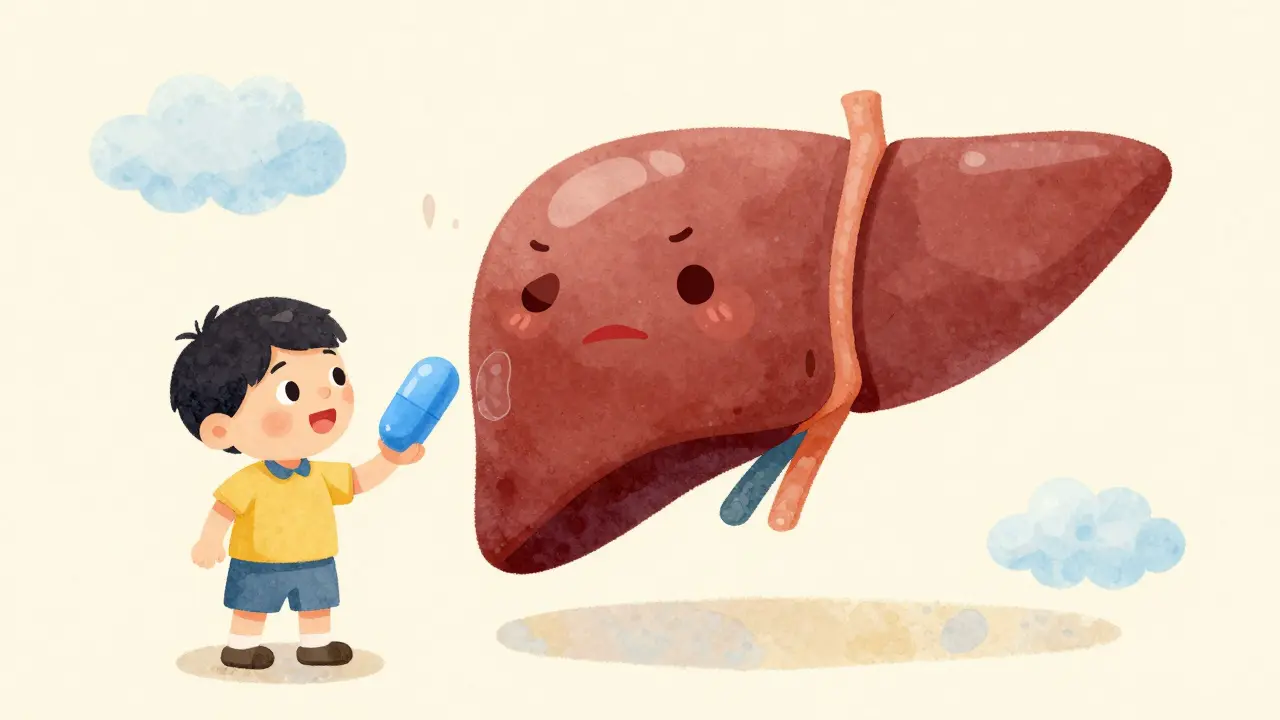
Hear this: You take a pill to fix an infection, but it ends up hurting your liver instead. It sounds counterintuitive, yet millions of people face this exact scenario every year. Antibiotics are the most prescribed medicines in the United States, and while they save lives, they carry a hidden cost. That cost often comes in the form of Antibiotic-Related Liver Injury, a type of Drug-Induced Liver Injury (DILI) caused specifically by antimicrobial therapy. In fact, recent data suggests these medications account for roughly two-thirds of all drug-induced liver damage seen in critical care settings.
This isn't just theoretical risk. We are seeing cases rise, especially when patients stay in the hospital longer or receive powerful combinations of drugs. Whether you are a clinician watching lab values or a patient concerned about side effects, understanding the difference between the types of liver stress matters. Today, we break down how antibiotics damage the liver, which drugs pose the biggest threats, and what signs doctors look for to catch problems early.
Quick Summary: Key Points to Remember
- Two Main Patterns: Antibiotics cause either hepatitis (inflammation) or cholestasis (bile flow blockage).
- The R-Ratio Rule: Doctors use enzyme levels to classify injury; an R-ratio over 5 usually means hepatitis, under 2 means cholestasis.
- Top Offenders: Amoxicillin-clavulanate causes the most liver issues, followed by certain fluoroquinolones and cephalosporins.
- Timing Matters: Symptoms can appear days or months after starting the medication, complicating diagnosis.
- Mitochondrial Damage: Many injuries happen because the drugs disrupt energy production inside liver cells.
How Antibiotics Attack the Liver
To understand the injury, you first need to know that the liver acts as the body's filter. When you swallow an antibiotic, the liver processes it before the rest of the body absorbs the medicine. Sometimes, the chemical breakdown products created during this process are toxic to the liver cells themselves. This mechanism is often called idiosyncratic reaction, meaning it doesn't affect everyone taking the drug.
Mitochondrial Dysfunction is a leading culprit in these cases. Think of mitochondria as the power plants inside your cells. Some antibiotics, particularly those in the fluoroquinolone class, interfere with fatty acid oxidation within these power plants. When the mitochondria fail, the cell cannot produce enough energy and dies. Dr. Bryan Norman has noted that assessing bile salt export pump inhibition and mitotoxicity provides the strongest prediction for these toxic effects.
Another factor involves the gut. Antibiotics change the bacteria living in your intestines. Research from 2022 indicates that Gut Microbiota Dysbiosis plays a critical role. When beneficial bacteria die off, harmful ones proliferate. These bad bacteria can release toxins that travel through the portal vein straight to the liver, causing inflammation. It creates a vicious cycle where liver health depends partially on gut health.
Decoding the Patterns: Hepatitis Versus Cholestasis
Not all liver injury looks the same. Clinicians categorize the damage based on blood test results. There are two distinct pathways the injury can take, and knowing which one you have changes the management plan.
| Feature | Hepatocellular Injury | Cholestatic Injury |
|---|---|---|
| Primary Symptom | Liver cell death | Bile duct obstruction |
| Key Enzyme Marker | Alanine Aminotransferase (ALT) | Alkaline Phosphatase (ALP) |
| R-Ratio Threshold | R > 5 | R < 2 |
| Common Antibiotics | Azithromycin, Tetracycline | Amoxicillin-Clavulanate |
The distinction relies heavily on the R-ratio. This formula divides the peak ALT level by its upper limit of normal, divided by the same calculation for ALP. If the number is greater than 5, you are dealing with hepatocellular injury. If it is below 2, the problem is cholestasis. Values sitting between 2 and 5 indicate a mixed injury pattern.
Amoxicillin-Clavulanate frequently produces cholestatic injury. About 70% of reported cases involving this combination show blocked bile flow rather than pure cell death. On the flip side, drugs like erythromycin estolate tend to trigger more cellular damage. Recognizing this split helps doctors predict recovery time, as cholestatic injury often lingers longer than hepatocellular damage once the drug is stopped.

Which Antibiotics Carry the Highest Risk?
While many prescription medications can harm the liver, a handful of antibiotics consistently top the danger list. Data from the National Institute of Diabetes and Digestive and Kidney Diseases (NIDDK) ranks Amoxicillin-Clavulanate in the high-risk category, scoring between 8 and 10 on their 10-point scale. The incidence rate sits around 15 to 20 cases per 100,000 prescriptions. Compare that to fluoroquinolones, which typically see only 1 to 3 cases per 100,000.
Beta-lactam antibiotics are another major source of concern. Specifically, the combination of piperacillin and tazobactam shows worrying numbers in intensive care units. A 2024 study found that patients receiving this combo for seven days or longer had a liver injury rate of nearly 29%. Interestingly, gender seems to play a role here too. Males receiving meropenem were affected 2.4 times more frequently than females in similar settings.
We also cannot ignore anti-tuberculosis drugs. Rifampin is notorious for dose-dependent toxicity. While technically used for infections other than common bacterial ones, it fits the profile of antibiotic-related liver injury. Combining rifampin with isoniazid creates a synergistic effect, meaning the two together damage the liver significantly more than either alone.
Detection and Monitoring Protocols
Catching the injury early prevents long-term failure, but the window for detection varies. For β-Lactam Antibiotics like amoxicillin-clavulanate, symptoms typically surface between 1 to 6 weeks after you start taking them. Faster acting drugs like fluoroquinolones might show signs within just one to two weeks.
Doctors generally follow a "rule of 5" approach when deciding whether to stop the medication. If the ALT goes above five times the upper limit of normal, or if ALP rises above two times the limit accompanied by symptoms like jaundice, the drug usually gets discontinued immediately. Baseline testing is essential. Without knowing a patient's starting point, it becomes nearly impossible to spot subtle shifts in liver function later on.
Monitoring frequency should match the risk. Patients on prolonged courses (seven days or more) of broad-spectrum antibiotics need weekly checks. This is especially true in ICU environments where multiple factors like sepsis can confound the picture. Sepsis itself increases liver injury risk by 1.8-fold, making it harder to blame the antibiotic alone without careful observation.
Risk Factors Beyond the Drug
Sometimes the blame doesn't lie solely with the medicine. Individual biology plays a massive role. Newer research highlights genetic susceptibility linked to human leukocyte antigen (HLA) associations. Certain genetic markers make specific patients prone to idiosyncratic reactions, while others walk away unharmed despite heavy doses.
Duration of therapy is a quantifiable risk. Taking a medication for seven days increases the chance of injury by 3.2 times compared to shorter courses. Pre-existing conditions matter too. Older adults and those with chronic viral hepatitis (like Hepatitis B or C) often have reduced tolerance for liver stress. Furthermore, alcohol consumption combined with antibiotic therapy can deplete glutathione reserves, leaving the liver defenseless against oxidative stress generated by the medication.
Recovery and Long-Term Outlook
Good news exists for most patients. Once the offending antibiotic stops, the liver begins to heal. Most hepatocellular injuries resolve within weeks. Cholestasis takes longer, potentially stretching out for months due to the slow turnover of bile duct cells. In rare severe cases, acute liver failure may occur, requiring transplant evaluation, but this is uncommon. Advances in pharmacogenomics promise personalized risk assessment within the next few years, potentially reducing these incidents by 30% through better drug selection.
Can you reverse antibiotic-induced liver damage?
Yes, stopping the causative medication usually leads to recovery. Most cases of hepatocellular injury resolve within weeks, though cholestatic injuries can take several months for full normalization of enzymes.
What are the symptoms of antibiotic liver injury?
Symptoms range from none at all to fatigue, nausea, loss of appetite, and yellowing of the skin or eyes (jaundice). Often, blood tests detect the issue before physical symptoms appear.
Which antibiotic causes the most liver problems?
Amoxicillin-clavulanate has the highest population-attributable risk, accounting for the majority of antibiotic-related liver injury cases reported in medical databases.
Do I need liver tests before taking antibiotics?
Routine screening isn't always necessary for short courses, but baseline tests are recommended if you are taking high-risk antibiotics, plan a long duration, or have existing liver disease.
Is there a permanent cure for DILI?
There is no specific antidote. Treatment involves stopping the drug and supportive care. The liver typically regenerates on its own once the toxic exposure ceases.
Wow this is such a vital topic for everyone to understand!! It is shocking that millions face this exact scenario yearly!! You take a pill to fix infection but end up hurting your liver instead!!! That sounds counterintuitive yet the reality is quite scary indeed!! Recent data suggests these meds account for two-thirds of damage seen in critical care!! Understanding the R-Ratio Rule is essential for proper diagnosis!! Doctors use enzyme levels to classify the injury pattern correctly!! An R-ratio over five usually means hepatitis and under two means cholestasis!! Amoxicillin-clavulanate causes the most issues followed by fluoroquinolones!! Timing matters because symptoms appear days or months later!! Mitochondrial dysfunction disrupts energy production inside liver cells!! Mitochondria act as power plants inside your body cells!! When mitochondria fail the cell cannot produce enough energy!! Research indicates Gut Microbiota Dysbiosis plays a critical role too!! Beneficial bacteria die off and harmful ones proliferate easily!! These bad bacteria release toxins traveling to the liver via portal vein!! Stopping the offending antibiotic leads to recovery for most patients!! Hepatocellular injuries resolve within weeks for the majority!! Cholestatic injuries linger longer due to slow turnover!! Recovery depends on removing the toxic exposure completely!! Please share this knowledge with your doctors!! 💊🙏✨
Solid breakdown of the risk factors 👌
standard protocols ignore off label mitochondrial toxicity pathways completely... they push beta lactams without adequate screening for HLA types... liver enzymes lag behind actual cellular necrosis events... pharma does not want you to know the real incidence rates...
It is understandable that skepticism exists regarding new drug safety data... Respecting different medical opinions is crucial for progress...
Medical negligence remains a silent epidemic in modern healthcare systems. Physicians fail to monitor thresholds adequately when managing polypharmacy regimens. The aggressive nature of drug metabolism damages cellular integrity rapidly. Accountability mechanisms for delayed detection of injury are insufficiently robust. Patients suffer preventable complications due to lack of standardized screening protocols.
This piece overlooks the nuance of polymorphism in CYP450 enzymes which dictate clearance rates significantly. The article mentions NIDDK ranking but fails to specify confidence intervals regarding those high risk scores. It is a common misconception that duration alone drives toxicity without considering pharmacogenomic markers. Patients often receive combinations synergistically worsening oxidative stress profiles unnecessarily. We need stricter pre-screening criteria before administering beta-lactams to immunocompromised groups regularly.
Please note that baseline testing is highly recommended for long courses! Weekly checks help differentiate sepsis effects from direct drug toxicity! Glutathione depletion leaves liver defenseless against oxidative stress! Alcohol consumption combined with antibiotics worsens outcomes significantly! Pre-existing viral hepatitis reduces tolerance for added liver stress!
Your health matters deeply always... do not ignore the yellowing skin signs... recovery is possible if you listen to your body... trust the process but ask for labs...
As an inclusive mentor i emphasize that gut flora modulation is key... Dysbiosis creates a vicious cycle impacting hepatic filtration capacity... Pharmacogenomics offers personalized risk assessment reducing incidents by thirty percent soon... We must advocate for weekly checks during prolonged broad spectrum therapy... Sepsis confounds the picture in ICU environments requiring careful observation... Baseline testing remains essential for spotting subtle shifts in function... Supportive care involves stopping the drug immediately upon detection...
Most people bounce back well if caught early... optimism helps through the recovery phase...
Culturally we tend to underestimate medication risks... 🥺 Its nice to see data backing up safety concerns... 🌎
Knowing your history helps mitigate the unknown risks involved!!! Genetic markers predict idiosyncratic reactions in many cases!!! Duration of therapy increases injury chance by significant factors!!! Older adults require extra vigilance during prescription cycles!!! Chronic conditions impact tolerance for metabolic stress loads!!!
Philosophy meets medicine here in terms of human vulnerability... The variable nature of response highlights biological diversity... Collaborative approaches yield better patient outcomes than unilateral decisions... Hope guides us through difficult medical landscapes...
Boundaries must be kept regarding personal medical advice here... 🙂 Always consult professionals before changes...