
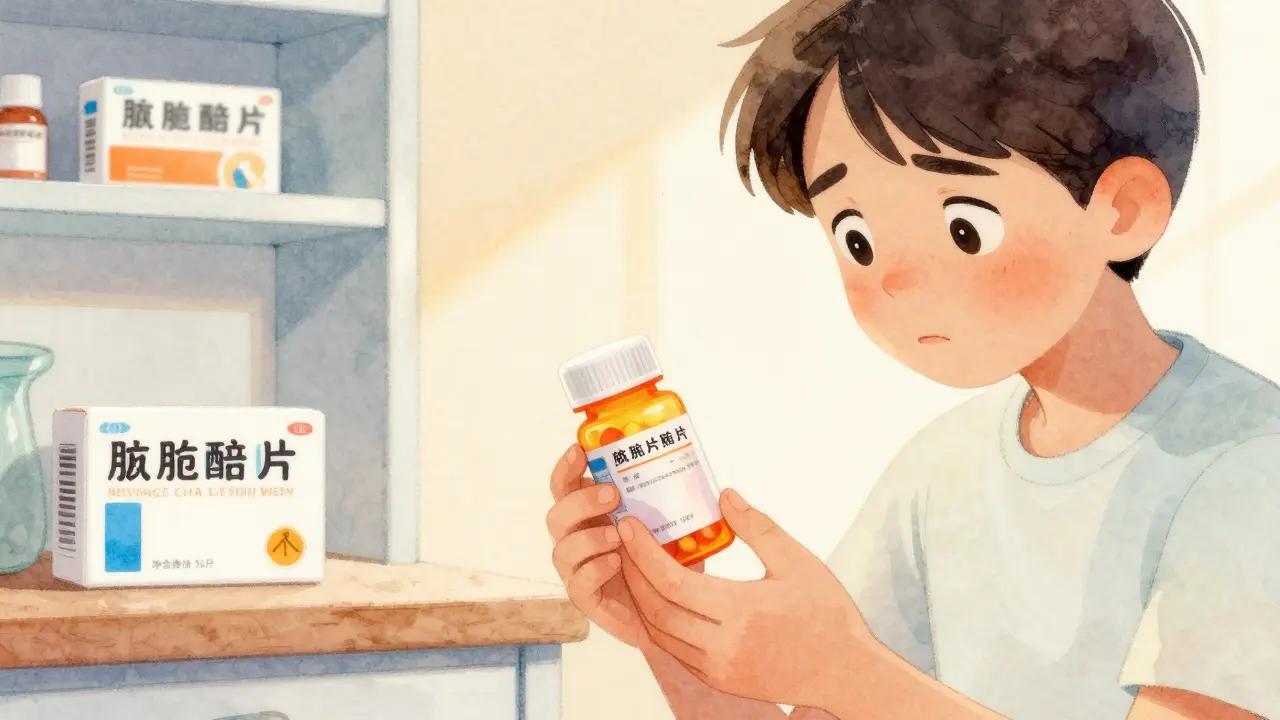
Imagine taking your daily heart medication or a painkiller for a headache, only to feel worse an hour later. Maybe the pill looks slightly different than usual, or perhaps you experience a side effect that has never happened before. It is a terrifying thought, but it is becoming a reality for thousands of people. Counterfeit medications are products deliberately and fraudulently mislabeled with respect to identity and/or source, designed to deceive consumers for financial gain. Unlike substandard medicines, which result from manufacturing errors, these fakes are intentional traps. The World Health Organization (WHO) defines them as a global public health crisis, and the numbers are alarming. In some developing regions, up to 30% of pharmaceutical supplies are counterfeit, while in developed nations like the United States, the threat is rising due to online pharmacies and sophisticated criminal networks.
The danger is not just about wasting money on a sugar pill. It is about life and death. The Centers for Disease Control and Prevention (CDC) reported 12,000 U.S. deaths annually linked to counterfeit opioids containing fentanyl as of 2023. But even non-opioid counterfeits can cause severe organ damage, treatment failure, and acute poisoning. Knowing the symptoms of taking counterfeit meds is your first line of defense. This guide breaks down exactly what to watch for, from physical changes in the pill to physiological reactions in your body, so you can protect yourself and your loved ones.
Physical Red Flags: Inspecting Your Medication
Before you even swallow a pill, your eyes and hands can tell you if something is wrong. Legitimate pharmaceutical companies manufacture medicines with extreme precision. The International Council for Harmonisation sets strict standards, requiring tolerances of ±5% for size, weight, and color. If your medication deviates from this norm, pay attention.
Start by looking at the packaging. The FDA’s April 2023 advisory on counterfeit Muro 128 ophthalmic products highlighted specific anomalies like mismatched color schemes, inconsistent font sizes, and missing security holograms. Pfizer’s Global Intelligence Lead, Amy Callanan, notes that spelling errors are "the biggest, and some of the most noticeable, mistakes." In fact, 78% of verified counterfeits examined by Pfizer between 2020-2022 contained at least one misspelled word. Check the label for typos, blurry printing, or faded text.
- Tablet Appearance: Are the pills cracked, crumbly, or have a bubbled-up coating? The Therapeutic Goods Administration (TGA) of Australia states that any variation in embossing, size, or quality could indicate a forgery.
- Packaging Integrity: Look for breaks in sealing tape, altered expiry dates (reported in 63% of counterfeit cases by the UK MHRA), or container size variations exceeding 2mm.
- Security Features: Many authentic drugs have color-shifting inks or holograms. If these are missing or look cheap, be suspicious.
If the pill looks off, do not take it. Compare it to a previous refill if you have one. Consistency is key. A sudden change in appearance is a major warning sign that you might be holding a fake.
Physiological Symptoms: How Your Body Reacts
Sometimes, the packaging looks fine, but the contents are deadly. The most common initial symptom of taking a counterfeit med is simply that it does not work. Eli Lilly and Company reported that 89% of counterfeit medication complaints in 2022 involved patients experiencing a "complete lack of therapeutic effect" despite proper dosing. If your blood pressure medication stops controlling your hypertension, or your antibiotics fail to clear an infection, suspect the source.
However, the more dangerous scenario is when the fake contains active, but unintended, ingredients. The FDA’s 2023 Counterfeit Medicine Alert states that 74% of verified counterfeit cases involve patients experiencing new or unusual side effects. These symptoms can vary wildly depending on what the criminals put inside the pill.
| Symptom Category | Possible Cause | Specific Signs |
|---|---|---|
| Treatment Failure | Insufficient or no active ingredient | Condition worsens, no relief from pain or fever, disease exacerbation (e.g., malaria) |
| Opioid Overdose | Fentanyl or other potent opioids | Coma, pinpoint pupils, respiratory depression (slow breathing), unconsciousness within 15-30 minutes |
| Stimulant Toxicity | Methamphetamine or excessive caffeine | Rapid heartbeat (>120 BPM), high blood pressure (>180/110 mmHg), hyperthermia (>104°F/40°C), wakefulness |
| Acute Poisoning | Toxic contaminants like heavy metals or industrial dyes | Nausea, vomiting, abdominal pain, organ damage, skin rashes |
For example, DEA laboratory analysis of seized counterfeit pills in 2021 revealed that 26% contained a lethal dose of fentanyl. Fentanyl is 50-100 times more potent than heroin. The characteristic overdose triad-coma, pinpoint pupils, and respiratory depression-can occur rapidly. On the flip side, counterfeit stimulants may contain methamphetamine, leading to rapid breathing, irregular heartbeat, and dangerously high body temperature. If you experience any of these unexpected reactions, seek emergency medical help immediately.
The Online Pharmacy Trap
Where you buy your medication matters immensely. The rise of e-commerce has made it easier for criminals to sell fakes directly to consumers. The DEA warns that 96% of websites selling prescription drugs operate illegally, and 89% distribute counterfeit products containing dangerous substances. If a website offers huge discounts, requires no prescription, or ships from an unknown international location, it is likely a scam.
Social media platforms have become hotspots for marketing these fakes. The CDC launched the "Know Your Source" initiative in April 2023 specifically to target social media channels where counterfeit pills are marketed to teenagers. Real-world case studies show the devastating impact: a 2021 DEA investigation documented 977 fentanyl-related overdose deaths in teenagers who believed they were taking legitimate prescription pills. Autopsy reports confirmed illicit fentanyl in 92% of those cases. Always purchase from licensed brick-and-mortar pharmacies or verified online retailers that require a valid prescription and display a physical address and phone number.
How to Verify Authenticity
If you suspect your medication is fake, do not panic, but act quickly. Laboratory testing remains the only definitive method to authenticate medications, as emphasized by Pfizer’s Amy Callanan. However, there are immediate steps you can take.
- Check the Lot Number: Pharmaceutical companies maintain databases of known counterfeit lot numbers. Eli Lilly’s 2022 report documented 147 counterfeit lot numbers across 22 products. Visit the manufacturer’s website or call their toll-free number to verify your specific lot.
- Contact Your Pharmacist: Pharmacists are trained to spot anomalies. They can check current stock in the dispensary and interrogate patient medication records (PMR systems) to see if others have reported issues with the same batch.
- Compare with Previous Refills: As advised by the TGA, compare the current medication against previous refills for consistency in color, shape, and texture.
- Use Security Tools: Some companies, like Merck, have implemented microscopic DNA markers in packaging, and Pfizer has embedded nanotechnology security threads. Check the manufacturer’s website for instructions on how to use these verification tools.
The UK’s Medicines and Healthcare products Regulatory Agency (MHRA) established a 7-point verification checklist in 2022 that includes comparing physical characteristics against manufacturer reference samples. While you may not have access to a lab, using these standardized protocols can help you determine if a product is suspicious enough to warrant further action.
Prevention and Future Safety
The fight against counterfeit meds is evolving. The FDA’s 2023 Counterfeit Medicine Action Plan includes implementing the Drug Supply Chain Security Act’s track-and-trace requirements, creating a national electronic system to verify product authenticity at each supply chain step. This technology aims to ensure that every pill can be traced from the factory to your pharmacy shelf.
Despite these efforts, WHO projects a 25% annual increase in falsified medicines through 2025. Vigilance is crucial. Educate yourself and your family about the risks. Keep a close eye on your medications, both physically and physiologically. If something feels wrong, trust your instincts. Report suspected counterfeits to the FDA MedWatch program or your local health authority. Your report could save someone else’s life.
What are the immediate signs of a counterfeit opioid overdose?
The immediate signs include coma, pinpoint pupils, and respiratory depression (slow or stopped breathing). These symptoms can occur within 15-30 minutes of ingestion if the pill contains fentanyl, which is significantly more potent than heroin.
How can I tell if my pill packaging is fake?
Look for spelling errors, mismatched colors, inconsistent fonts, missing holograms, or broken seals. Altered expiry dates and container size variations exceeding 2mm are also strong indicators of tampering or counterfeiting.
Is it safe to buy prescription drugs online?
Only if the website is verified and requires a valid prescription. The DEA reports that 96% of websites selling prescription drugs operate illegally, and 89% distribute counterfeits. Avoid sites with huge discounts, no physical address, or no pharmacist consultation.
What should I do if my medication stops working?
If your medication provides no therapeutic effect despite proper dosing, it may be counterfeit. Contact your pharmacist or doctor immediately. Do not increase the dose on your own. Check the lot number with the manufacturer to see if it matches known counterfeit batches.
Can counterfeit pills cause long-term health damage?
Yes. Counterfeit pills may contain toxic contaminants like heavy metals or industrial dyes, leading to organ damage, kidney failure, or liver toxicity. Even if they seem harmless initially, chronic exposure to these impurities can cause severe long-term health issues.
How do pharmaceutical companies prevent counterfeiting?
Companies use advanced security features like microscopic DNA markers, nanotechnology threads, and holograms. They also participate in track-and-trace systems mandated by laws like the Drug Supply Chain Security Act to monitor products throughout the supply chain.
Where can I report suspected counterfeit medications?
In the United States, you can report suspected counterfeits to the FDA MedWatch program. You can also contact your local pharmacist or the manufacturer directly. Providing the lot number and packaging details helps authorities track and intercept fake products.