
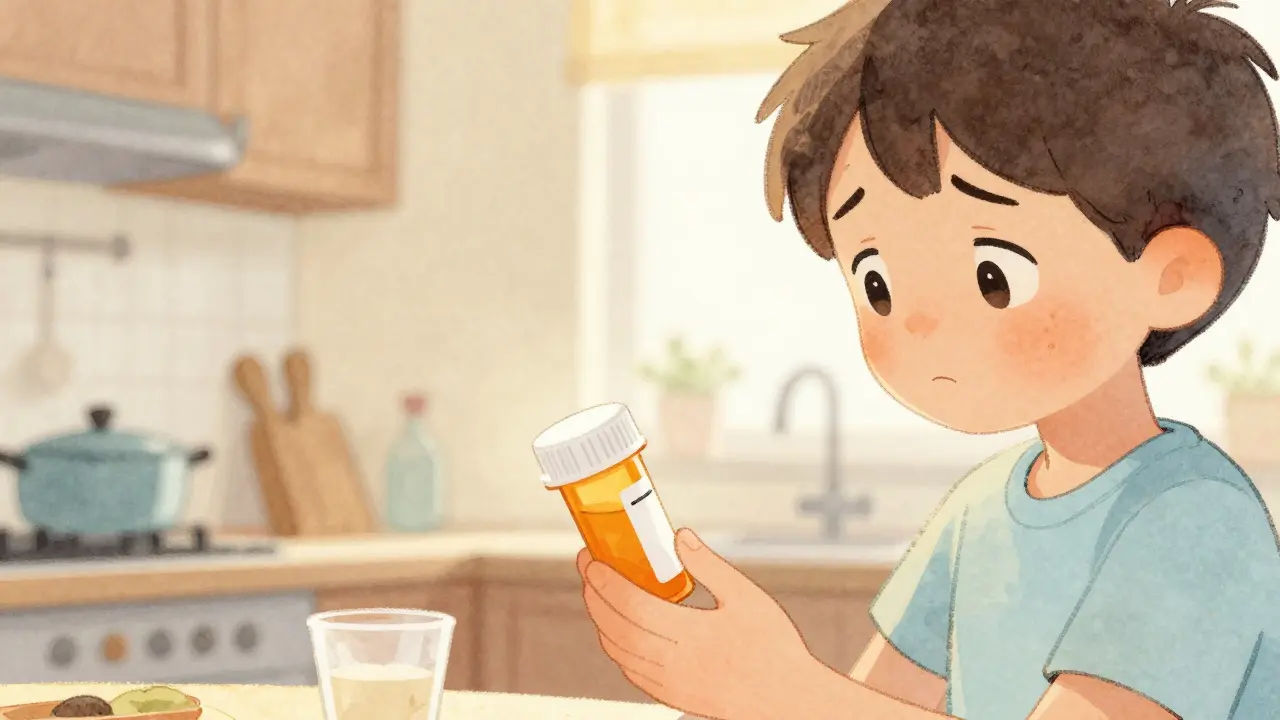
Finding out your prescription is part of a recall can feel like a punch to the gut. Your first instinct might be to throw the bottle in the trash or stop taking the pills immediately to protect yourself. But doing that without a plan can actually be more dangerous than the recall itself. Whether it's a blood pressure pill or a specialized cancer treatment, the way you handle a medication recall determines if you stay safe or accidentally trigger a health crisis.
| Class | Risk Level | What it Means | Urgency |
|---|---|---|---|
| Class I | Highest | Reasonable probability of serious health consequences or death | Immediate Action |
| Class II | Moderate | Temporary or medically reversible health issues | Prompt Action |
| Class III | Lowest | Unlikely to cause adverse health consequences | Routine Action |
Understanding the Recall: Why Is This Happening?
Not all recalls are created equal. A medication recall is a formal action to remove a pharmaceutical product from the market because it is defective, harmful, or fails regulatory standards. Most of the time, the company does this voluntarily-about 80% of the time-before the government even steps in.
Why does this happen? It's rarely a "poison pill" scenario. According to data from 2022, about 65% of recalls happen because of manufacturing glitches, and 20% are just labeling errors. In fact, 60% of all recalls are for minor labeling discrepancies that don't even affect the safety of the medicine. However, a small slice-about 15%-fall into Class I, where the risks are severe. This is why you need to know exactly which class your drug falls into before you panic.
The Golden Rule: Do Not Stop Your Meds Abruptly
Here is the most critical piece of advice: do not stop taking your medication unless your doctor tells you to. This seems counterintuitive, but abruptly stopping drugs for chronic conditions like hypertension or diabetes can lead to a dangerous rebound effect. For example, during the Valsartan recalls, the FDA specifically warned patients to keep taking their medicine until a replacement was ready. The risk of a sudden spike in blood pressure is often far greater than the risk posed by the recalled batch.
Instead of stopping, your immediate job is to verify. A recall notice isn't a blanket statement that every single pill of that brand is bad. You need to check the lot number and expiration date on your bottle against the official recall notice. Many people assume all lots are affected, but in reality, the issue is usually limited to specific batches produced at a specific time.
Your Immediate Action Plan
If you suspect your medication is recalled, follow these steps to get sorted quickly:
- Verify the Details: Look for the brand name, dosage form, and the NDC (National Drug Code) or UPC on your packaging. Match these to the recall notice.
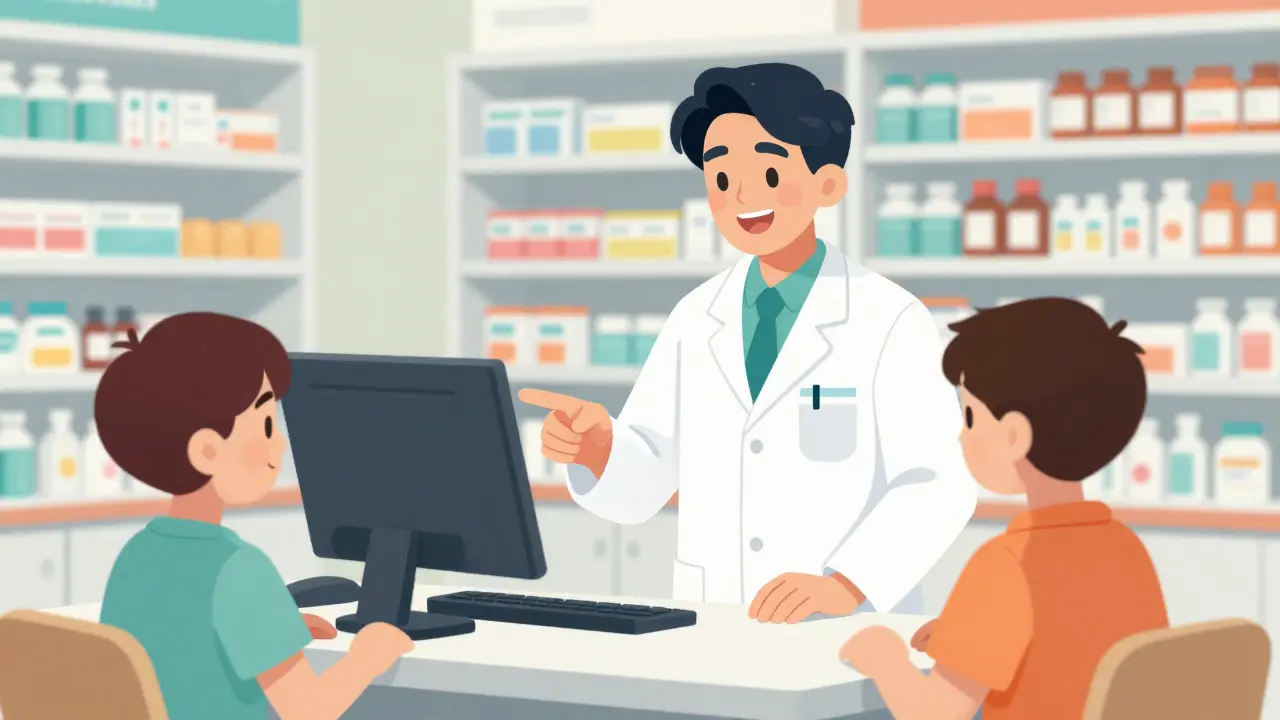
- Call Your Pharmacist: Don't guess. Your pharmacist has access to the latest protocols. About 92% of pharmacies have systems in place to swap out recalled meds for unaffected lots or different brands within 24 to 48 hours.
- Consult Your Doctor: If the recall is Class I or if you are experiencing weird symptoms, call your primary provider. They can decide if you need a different therapeutic option entirely.
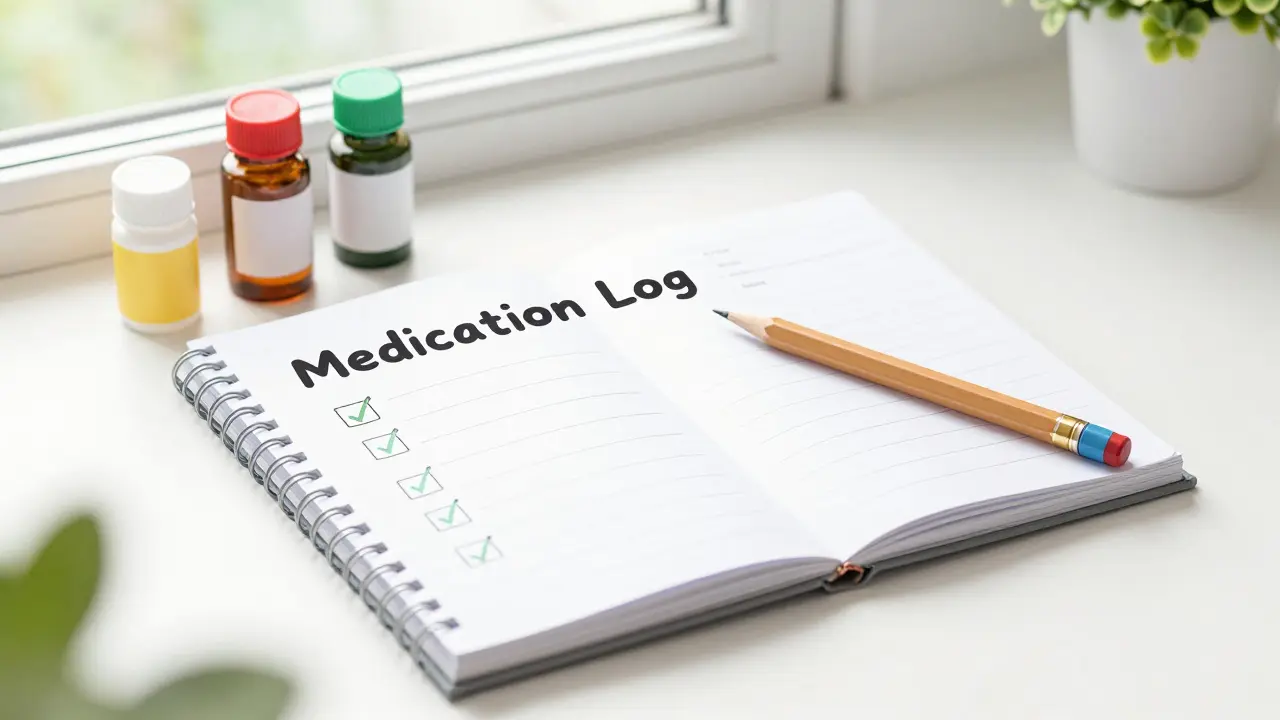
- Document Everything: Keep a log of when you took the recalled medication and any symptoms you noticed. This helps your doctor determine if the defective batch actually affected your health.
How to Safely Dispose of Recalled Drugs
Once you have a replacement, you can't just toss the old pills in the trash or flush them down the toilet. Flushing can contaminate water supplies, and leaving pills in the trash is a risk for pets and children. If the FDA or your pharmacist tells you to dispose of the medication, use the "unpalatable method":
- Mix the pills with something disgusting, like used coffee grounds or cat litter.
- Seal this mixture in a plastic bag or container to prevent leaks.
- Throw the sealed container in the household trash.
If the instructions in your recall letter are confusing, your pharmacist is your best resource for local drug take-back programs.
Staying Proactive: The Medication Log
Most people only think about lot numbers when there's a crisis, but only about 18% of patients actually keep a medication log. If you start recording the lot numbers and expiration dates of your prescriptions in a simple notebook or app, you can resolve recall concerns 60% faster. Instead of hunting through cabinets or calling the pharmacy to ask what you have, you can check your list and know within seconds if you're at risk.
You can also stay ahead by using the MedWatch program. This is a reporting system where you can alert the government to adverse events. About 27% of consumer reports on MedWatch lead to official investigations and subsequent recalls, meaning you could actually help other patients by reporting a side effect.
How do I know if my specific bottle is recalled?
You must check the lot number, expiration date, and NDC/UPC code on your prescription bottle. Compare these specific identifiers to the ones listed in the official FDA recall notice. If the numbers don't match exactly, your specific bottle may not be part of the affected batch.
Can I just go to the pharmacy and get a replacement?
Yes, most pharmacies have protocols to replace recalled medications within 24-48 hours. However, you should always call first to ensure they have an unaffected lot or a suitable alternative in stock before making the trip.
What is a Class I recall and why is it so urgent?
A Class I recall is the most serious category. It means there is a reasonable probability that using the product will cause serious adverse health consequences or even death. These require immediate action and close consultation with a healthcare provider.
Should I stop taking my medicine the moment I see a recall notice?
No. Abruptly stopping medication, especially for conditions like diabetes or high blood pressure, can be more dangerous than the recalled drug. Continue taking your medication until your doctor or pharmacist provides a safe replacement.
Where can I officially verify a drug recall?
The most reliable source is the official FDA website. You can search by brand name or product description, filter by product type, and view detailed recall information, including the specific reason for the action.
Next Steps for Patients
If you're currently dealing with a recall, start by calling your pharmacist today to verify your lot number. If you've already taken a recalled medication and feel unusual symptoms, contact your doctor immediately and mention the specific recall. For those who want to be better prepared, start a medication log this week-list every prescription, its dose, and the lot number. It's a small habit that saves a lot of stress when the next alert hits the news.
It is interesting how we trust these systems blindly until a recall happens, and then we are told to keep trusting them by not stopping the meds. There is a strange paradox in the way we manage health risks where the cure can be the poison, but the absence of the cure is an even greater poison. Just makes you think about the fragility of our biology and the corporate structures we rely on to maintain it.
Typical. They tell you not to panic but then categorize some as "death" risk and expect us to just wait for a pharmacist to call back. You bet the big pharma companies already know about these "glitches" months before the FDA even wakes up. It's all just a game to protect their stock price while we play Russian roulette with our pills.
Wow, this is such a helpful guide for everyone staying on top of their health journey!! 🌟 I absolutely love the idea of a medication log because being organized is the first step to feeling empowered and safe in our own bodies! ✨ If we all just take a tiny bit of time every week to write down those lot numbers, we can totally reduce the stress and anxiety that comes with these scary news reports, and honestly, it's just such a positive way to take control of our well-being! 💖 Keep shining and stay safe everyone!! 🌈🌸
Oh please, as if these "risk levels" are actually based on science and not just a way to minimize the legal liability of these conglomerates who are essentially running a global experiment on us without our consent, and frankly, the suggestion to mix pills with cat litter is just laughable because we all know those chemicals seep into the groundwater regardless of whether you wrap them in a plastic bag or not, and it's just another layer of pretending we have some control over the toxicity being pumped into our environment by the very people who claim to be saving us from it while they profit off the replacement meds they're suddenly "promptly" providing.
Ugh, I literally had this happen last year and it was a total nightmare! 🙄 My pharmacist basically shrugged his shoulders while I was freaking out. Most people don't even know what an NDC code is, it's like they expect us to be pharmacists ourselves just to know if we're dying or not! 💅 Just ridiculous.
the sheer incompetence of manufacturing plants today is just... staggering. like seriously how do you mess up a label 60 percent of the time and still stay in business. absolutely wild
statistically insignificant logic. a logbook is just a placebo for the anxious
I think it's really fair to point out the stress this causes. I've seen a few friends get really anxious during recalls, so having a clear step-by-step plan like this is probably a big relief for a lot of people who don't know where to start.
The adherence to a structured protocol during a pharmacological crisis is the only rational approach to mitigate systemic risk. One must acknowledge that the intersection of corporate negligence and patient vulnerability necessitates a rigorous method of documentation and verification to ensure individual survival.
The cat litter method is a great tip for home disposal, but I'm curious if anyone has found specific pharmacies that offer better take-back programs than others. I'm always down to help others find the most efficient way to clear out the bad stuff safely!