
Hyperthyroidism & Stimulant Risk Assessor
⚙ Configure Your Profile
Risk Gauge
Physiological Impact Estimate
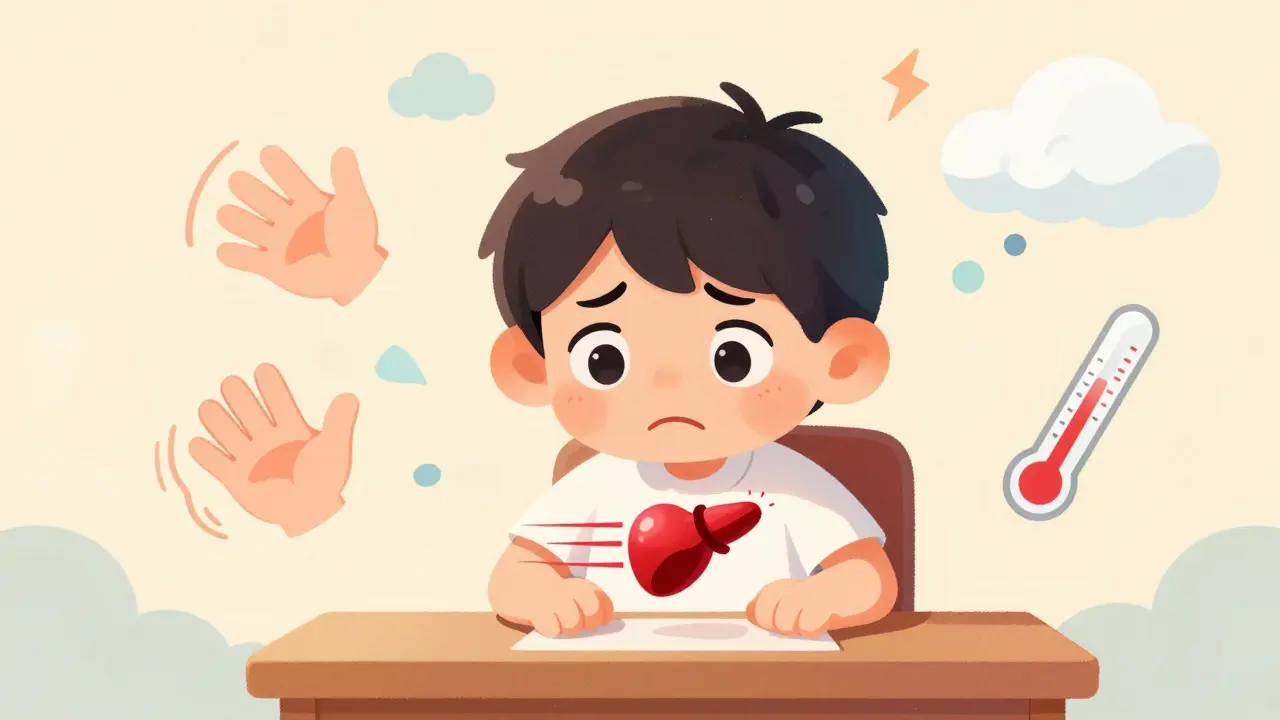
Your heart is racing. Your hands are shaking. You feel like you're about to explode with anxiety. Is it your ADHD medication kicking in too hard? Or is your thyroid gland throwing a tantrum? If you have hyperthyroidism is a condition where the thyroid gland produces too much hormone, speeding up your body's metabolism, taking stimulants like Adderall or Ritalin can turn these symptoms into a medical emergency. It’s not just a feeling; it’s a physiological clash that puts serious strain on your cardiovascular system.
Many people don't realize how common this overlap is. About 1.2% of the U.S. population lives with hyperthyroidism, while 4.4% of adults have ADHD. That means thousands of people are potentially mixing a condition that speeds up their heart rate with drugs designed to do the same thing. The result? A dangerous synergy that can spike blood pressure, trigger atrial fibrillation, and cause panic-level anxiety. Understanding this interaction isn't just good for peace of mind; it’s essential for keeping your heart safe.
The Core Problem: Why This Combination Is Dangerous
To understand the risk, you need to look at what both conditions do to your body. Hyperthyroidism already pushes your metabolic rate up by 60-100% above normal. Your baseline heart rate might be higher than average, and your beta-adrenergic receptors-the parts of your cells that respond to adrenaline-are 30-40% more sensitive than usual. Now, add a stimulant like Adderall is a central nervous system stimulant containing amphetamine salts used to treat ADHD and narcolepsy. Adderall increases norepinephrine and dopamine release by 300-500% in the brain. When these two forces meet, they don't just add up; they multiply each other's effects.
The American Heart Association reports that patients with hyperthyroidism who take stimulants face a 3.2-fold increased risk of developing atrial fibrillation compared to those with hyperthyroidism alone. Atrial fibrillation is an irregular heart rhythm that can lead to stroke if left untreated. In healthy individuals, methylphenidate (Ritalin) might raise systolic blood pressure by just 2-4 mmHg. But in someone with uncontrolled hyperthyroidism, that same dose can push blood pressure up by 10-15 mmHg, potentially pushing them into hypertensive crisis territory. It’s like stepping on the gas pedal when your engine is already overheating.
Anxiety vs. Thyroid Symptoms: The Diagnostic Trap
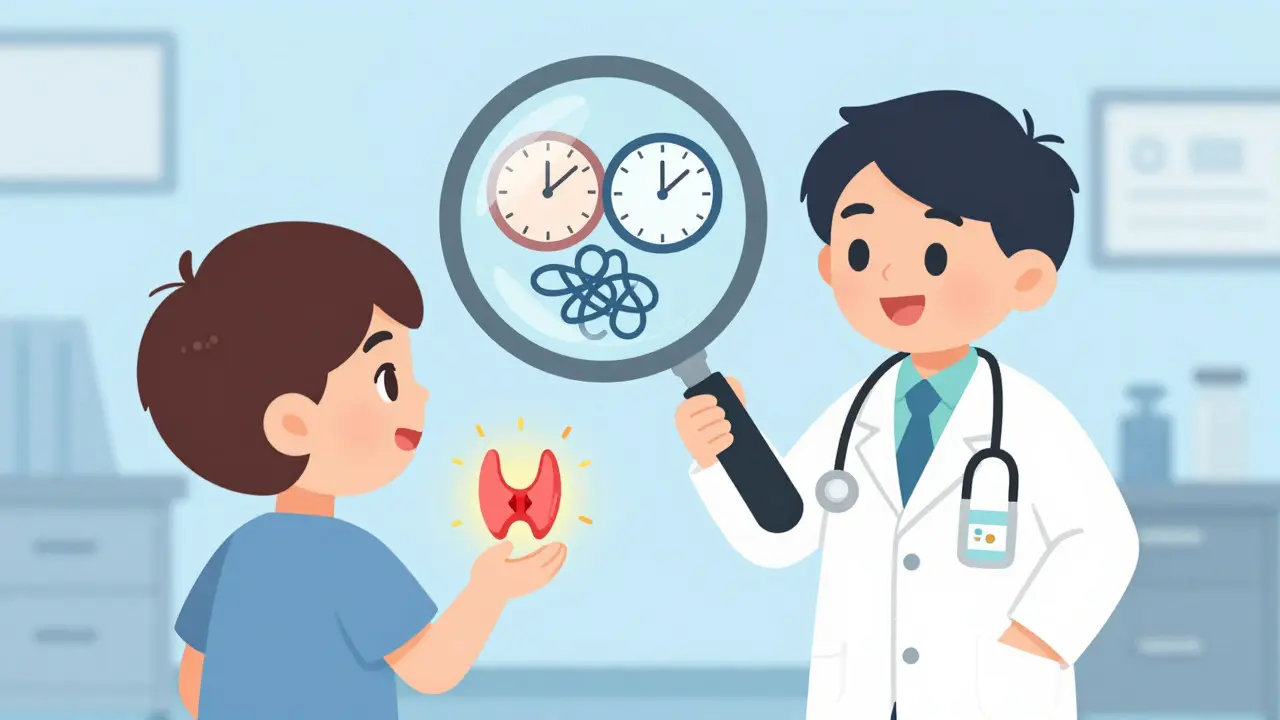
Here’s where it gets tricky: hyperthyroidism and ADHD look almost identical on the surface. Both cause restlessness, difficulty concentrating, irritability, and sleep problems. Dr. Deena Adimoolam from Mount Sinai notes that ruling out thyroid problems before diagnosing ADHD is crucial because the symptoms overlap so heavily. In fact, the Endocrine Society reports that 15-20% of adults with undiagnosed hyperthyroidism initially present with symptoms mistaken for ADHD. This misdiagnosis leads to prescriptions for stimulants that actually make the underlying thyroid issue worse.
If you’ve been diagnosed with ADHD but also experience heat intolerance, weight loss despite a good appetite, or tremors, ask your doctor for a full thyroid panel. Treating the thyroid often resolves the "ADHD" symptoms without needing any stimulants at all. A patient survey by Paloma Health found that 41% of patients initially diagnosed with ADHD had undiagnosed thyroid abnormalities, and 33% saw their symptoms improve after treating the thyroid rather than starting stimulants. Don’t assume your focus issues are purely neurological; check your hormones first.
Comparing Stimulant Risks: Not All Drugs Are Equal
If you have mild, controlled hyperthyroidism and still need help with focus, not all stimulants carry the same risk. The type of medication matters significantly. Amphetamine-based drugs like Adderall generally carry a higher cardiac risk than methylphenidate-based options. A 2022 meta-analysis in the Journal of Clinical Psychiatry showed that Adderall causes a 28% greater increase in heart rate than methylphenidate at equivalent doses. For patients with subclinical hyperthyroidism (TSH levels between 0.1-0.4 mIU/L), doctors might cautiously allow low-dose methylphenidate with strict monitoring, whereas Adderall is often contraindicated entirely per Endocrine Society guidelines.
| Medication Type | Heart Rate Impact | Blood Pressure Risk | Anxiety Severity | Recommendation for Hyperthyroidism |
|---|---|---|---|---|
| Adderall (Amphetamine) | High (+28% vs Methylphenidate) | Significant (10-15 mmHg spike possible) | Severe (78% report severe anxiety) | Avoid / Contraindicated |
| Methylphenidate (Ritalin) | Moderate | Moderate (Can escalate in uncontrolled cases) | Moderate to High | Cautious use with monitoring only |
| Vyvanse (Lisdexamfetamine) | Lower Peak Effects (-15-20%) | Moderate | Moderate | Use with extreme caution |
| Atomoxetine (Strattera) | Low (2-3 bpm avg increase) | Minimal | Low | Safer alternative option |
Non-stimulant alternatives like atomoxetine (Strattera) present a substantially lower cardiac risk. Data shows it only raises heart rate by 2-3 beats per minute on average, regardless of thyroid status. If your thyroid is unstable, asking about non-stimulant options could be the difference between manageable side effects and a trip to the ER. Vyvanse, which has a gradual onset, may reduce peak cardiac effects by 15-20% compared to immediate-release Adderall, making it a slightly safer bet among amphetamines, though still risky.
Real-World Experiences: What Patients Report
Medical data tells one story, but patient experiences tell another. On online health forums, the pattern is consistent. One user on Reddit’s r/Thyroid community described taking Adderall with undiagnosed hyperthyroidism, resulting in a constant heart rate of 140 bpm and an emergency room visit. Another reported passing out due to severe palpitations. These aren't isolated incidents; they’re warnings. A review on Drugs.com showed that Adderall has a rating of 2.1/5 from hyperthyroid patients, with 68% reporting worsened symptoms compared to just 24% of non-thyroid patients.
The most common complaint is anxiety that feels different from normal stress. It’s sudden, intense, and doesn’t fade. Many patients describe "panic attacks within 30 minutes of taking Adderall." If you notice your anxiety spiking shortly after dosing, or if your resting heart rate stays above 110 bpm, don’t ignore it. Talk to your doctor. Positive experiences exist, such as patients with *hypothyroidism* (the opposite condition) who manage well on low-dose stimulants with careful monitoring, but for hyperthyroidism, the margin for error is very small.
Management Protocols: How to Stay Safe
If you have both conditions, you need a coordinated plan between your endocrinologist and psychiatrist. First, ensure your thyroid is stable. The American Association of Clinical Endocrinologists recommends thyroid function tests every three months when adjusting medications. It takes two to three months for TSH levels to stabilize after a change, so rushing into new meds is risky. Before starting any stimulant, cardiologists recommend baseline echocardiograms and 24-hour Holter monitoring to catch any existing heart issues early.
When starting a stimulant, begin with the lowest possible dose-usually 5-10mg-and increase gradually. Monitor your heart rate and anxiety levels daily. Keep a log. If your heart rate exceeds 110 bpm at rest, or if you experience chest pain, stop the medication and call your doctor. Also, watch out for drug interactions with your thyroid treatment. Levothyroxine absorption can be blocked by certain supplements and foods. Separate your thyroid medication from calcium, iron, or bile acid sequestrants by at least 4 hours. Simple timing mistakes can throw off your thyroid levels, making the stimulant interaction even worse.
Frequently Asked Questions
Can I take Adderall if my hyperthyroidism is under control?
It depends on the severity and stability of your condition. Generally, Adderall is contraindicated in active hyperthyroidism. If your TSH levels are fully normalized and monitored closely, some doctors may consider it, but methylphenidate or non-stimulants like atomoxetine are often preferred due to lower cardiac risks. Always consult your endocrinologist and psychiatrist together.
How do I know if my anxiety is from ADHD or hyperthyroidism?
Look for physical symptoms that accompany the anxiety. Hyperthyroidism often includes heat intolerance, unexplained weight loss, rapid heartbeat at rest, and hand tremors. ADHD anxiety is usually tied to specific triggers like deadlines or social situations. A simple blood test checking TSH, T3, and T4 levels can clarify if your thyroid is contributing to your symptoms.
Does levothyroxine interact with stimulant medications?
Direct chemical interactions between levothyroxine and stimulants are rare. However, stimulants can increase the metabolism of thyroid hormones in some cases, potentially requiring dosage adjustments. More importantly, if you are taking other supplements for your thyroid (like selenium or biotin), these can interfere with lab results or absorption. Keep a complete list of all substances you take for your doctors.
What are the warning signs of a dangerous interaction?
Watch for a resting heart rate consistently above 110 bpm, chest pain or tightness, shortness of breath, dizziness, or fainting. Severe anxiety that feels like a panic attack immediately after dosing is also a red flag. If you experience any of these, stop the stimulant and seek medical attention promptly.
Are there safer alternatives to stimulants for ADHD with thyroid issues?
Yes. Atomoxetine (Strattera) is a non-stimulant that has minimal impact on heart rate and blood pressure. Guanfacine (Intuniv) is another non-stimulant option that works differently on the brain. Behavioral therapy and lifestyle changes like regular exercise and sleep hygiene can also help manage ADHD symptoms without adding cardiac load.
I honestly didn't realize how much overlap there is between ADHD symptoms and hyperthyroidism until I read this. It's scary to think that so many people might just be getting prescribed stimulants without checking their thyroid first. The part about the diagnostic trap really stuck with me because it feels like doctors are often rushing to label things as mental health issues when it could be a hormonal imbalance. If you have any lingering doubts about your diagnosis, maybe it's worth asking for a full panel just to be safe. Better safe than sorry, right?
ok so my mom has been on adderall for like 10 years and she never had her thyroid checked?? we live in fear now lol. the stats about atrial fibrillation are kinda terrifying tbh. i guess its one of those things where you dont know what you dont know. anyone else feel like they should just call their doc tomorrow?
also the table comparing the meds is super helpful, thanks for posting that!
It is fascinating to consider how our bodies operate as complex systems where a single variable can shift the entire equilibrium. When we introduce exogenous stimulants into an already hypermetabolic state, we are essentially overriding the body's natural homeostatic mechanisms. This suggests that modern medicine sometimes prioritizes symptom management over systemic understanding. We must remain vigilant about these interactions, not just as patients, but as informed citizens of our own physiology.
Ooh, wow! That 3.2-fold increased risk stat is absolutely staggering! I mean, who would have guessed that mixing two common things could lead to such a dramatic spike in heart problems? It’s like watching a slow-motion car crash in real life! I’m glad someone finally put all this info together because it feels like everyone is just winging it out there. Definitely sharing this with my buddy who’s always complaining about his racing heart after his morning coffee and pills!
this is so helpful thank you!! i was actually thinking about switching from ritalin to something else because i felt weird lately and now i am scared to change anything without talking to my endo first. good thing i read this before making a move. love that you included the non-stimulant options too
Oh my gosh, did you guys see the part about the panic attacks happening within thirty minutes of taking the med?! I mean, how is that not a bigger headline everywhere?! My cousin took Adderall once for a study session and said she felt like her chest was going to explode and I thought she was just being dramatic but now I am starting to wonder if it was actually her thyroid acting up under the surface! It is just so wild how many people walk around with undiagnosed issues and then blame it on stress or anxiety when it is literally a hormone imbalance screaming at them from the inside out! We need to stop ignoring these basic checks and start listening to our bodies before they throw a total tantrum on us!
Great breakdown. The distinction between Adderall and Ritalin risks is key. Always monitor BP. Stay safe out there.
Of course the pharmaceutical giants want you to take both. It's not a coincidence that ADHD diagnoses are skyrocketing while thyroid tests are becoming more expensive. They keep you on the pill, and if your heart acts up, well, that's just 'bad luck' or 'pre-existing condition'. Very convenient narrative for the insurance companies, don't you think? The truth is buried under layers of peer-reviewed journals that no one reads anyway. Wake up, people. Check your TSH levels yourself if you have to. Don't trust the system to look out for your cardiac health while it profits off your dependency.
Very important info here 🙌🔥 Most people ignore the heart connection 😢 Keep your thyroid stable first 💪 Then talk to doctor about meds 🩺 Good post 👍
Typical medical advice. Just assume everything is dangerous unless proven otherwise. But seriously, if you're feeling fine, why worry? The data is probably skewed by self-reporting bias. People love to claim their meds made them sick even if it was just placebo effect or bad sleep hygiene. Stop being so anxious about every little stat. Life is short, enjoy your Adderall.
This is such a great reminder to listen to your body! I always tell my friends that if something feels off, it's usually best to check it out with a doctor. It's better to be safe than sorry, especially when it comes to heart health. Thanks for sharing this info, it's really helpful for anyone wondering if their symptoms might be related to their thyroid!
Interesting point about the diagnostic overlap; however, one must consider the specificity of the symptoms... (pauses) ...which, admittedly, can be quite subtle in early stages. It is a nuanced area of medicine, indeed. Perhaps a follow-up on long-term outcomes would be beneficial for the community? Or perhaps not. Time will tell, I suppose. Anyway, thanks for the detailed write-up.
In many cultures, we view the body as a whole rather than isolated parts. This interaction highlights the importance of holistic health. Thyroid and mind are deeply connected. Respect the balance.
typical western medicine nonsense. they push drugs for everything. in nigeria we know that some of these symptoms are just spiritual imbalances or lack of proper diet. stop blaming your thyroid for every little mood swing. its all in your head. fix your lifestyle instead of popping pills. wake up people